- Trump maintained that federal intervention had saved the affected cities from chaos
- Trump’s retreat followed the federal government’s decision to abandon its legal battle to retain control of California’s National Guard
- According to Trump, the decision came amid mounting court rulings that questioned the legality of deploying troops
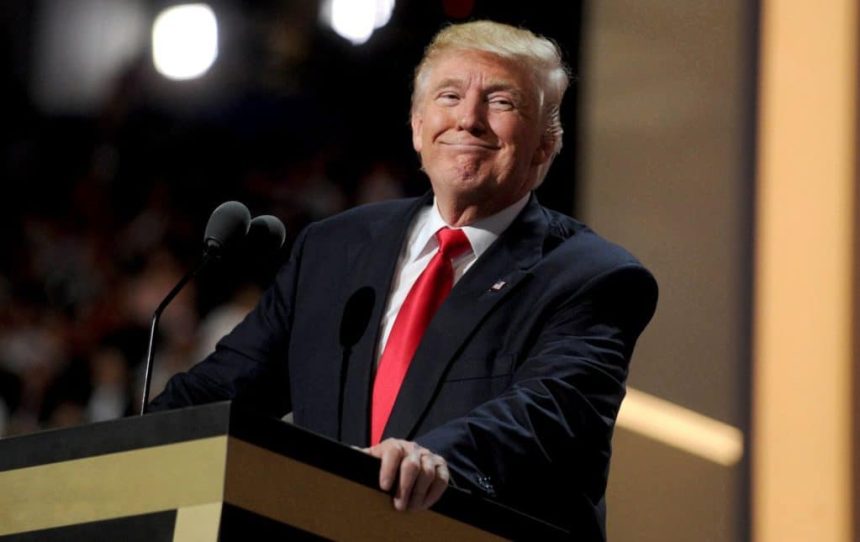
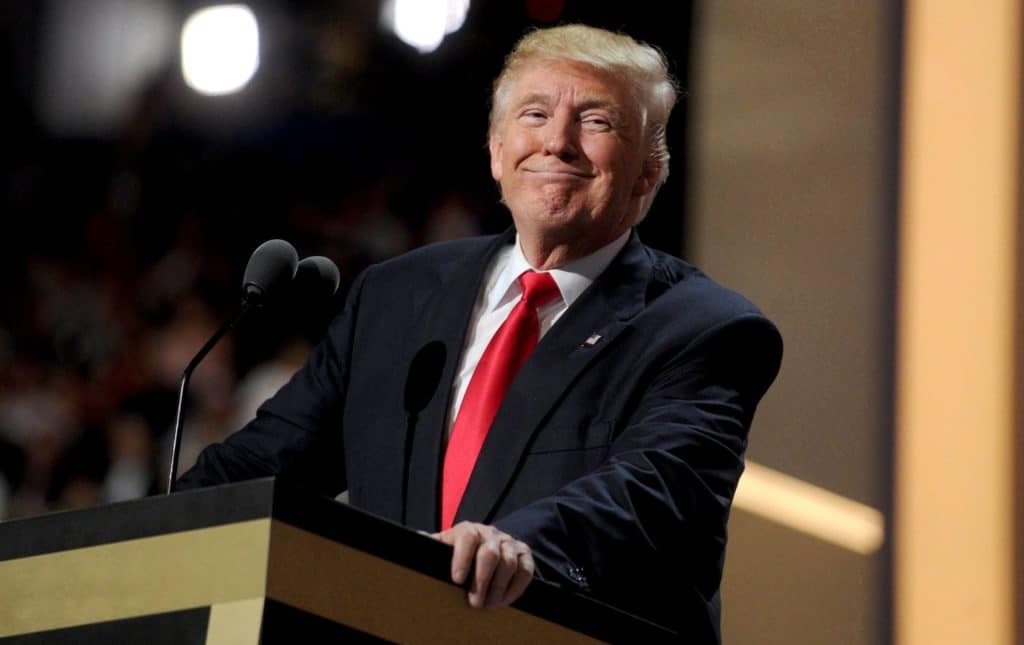
President Donald Trump has announced the reversal of plans to station National Guard troops in Chicago, Los Angeles, and Portland, Oregon, following a series of legal setbacks challenging the deployments.
Eko Hot Blog reports that the announcement was made on Wednesday, December 31, via Trump’s social media platform, where he disclosed that federal forces were being withdrawn from the cities despite what he described as a decline in crime during their presence.
EDITOR’S PICK
- Akpabio Assures Nigerians of Strong Institutions in 2026
- Dollar to Naira Rate for Today, January 1 2026
- Military Eliminates 20 Top Terrorist Commanders, Rescues 2,336 Kidnap Victims in 2025
According to Trump, the decision came amid mounting court rulings that questioned the legality of deploying troops without the consent of state governors.
While thousands of National Guard members and Marines had been positioned in Los Angeles, legal barriers stopped similar deployments from taking effect in Chicago and Portland.
The president, however, warned that federal forces could be redeployed if crime levels spike, insisting that the initial move was aimed at tackling crime and enforcing immigration laws in cities governed by the opposition Democratic Party.
The decision was welcomed by Democratic leaders who had opposed the troop presence. California Governor Gavin Newsom described the withdrawal as long overdue, maintaining that the federal takeover of the state’s National Guard was unconstitutional.
Illinois Governor JB Pritzker also dismissed Trump’s claims, noting that crime reduction in Chicago and across Illinois had been achieved through community-based policing and violence prevention initiatives, rather than military intervention.
Trump’s retreat followed the federal government’s decision to abandon its legal battle to retain control of California’s National Guard after months of court proceedings.
A ruling by the 9th U.S. Circuit Court of Appeals ordered that authority over the troops be returned to Governor Newsom, affirming earlier judgments against the federal action.
Reacting to the ruling, U.S. Senator Alex Padilla of California said the court’s decision validated long-standing concerns that the deployment was unlawful, reckless, and an overreach of executive authority.
The controversy also drew the attention of the U.S. Supreme Court, which, in late December, halted troop deployments in Chicago pending the resolution of ongoing legal challenges. Earlier, a federal judge had ruled that the Portland deployment violated constitutional provisions protecting states’ rights.
Despite the legal defeats, Trump maintained that federal intervention had saved the affected cities from chaos, adding that the government would not hesitate to return “in a stronger form” should crime rates rise again.
FURTHER READING