It is a battle marked by l, smacks, blood, hand-on-waist sizing, and a refusal to yield.
EDITOR’S PICK
- ‘I Don’t Need International Law’: Cites Personal Morality as Sole Limit
- ‘Nobody Can Push Us Out’ – Wike Blasts New APC Defectors in Rivers
- FG, ASUU Set to Sign 40% Salary Increase Agreement
That description perfectly frames the ongoing political confrontation between Nyesom Wike and Siminalayi Fubara in Rivers State, a conflict that has evolved from godfather–protégé loyalty into one of the most intense and unpredictable political battles in Nigeria.
The story begins with loyalty and strategic grooming. Wike did not merely endorse Fubara for the governorship.
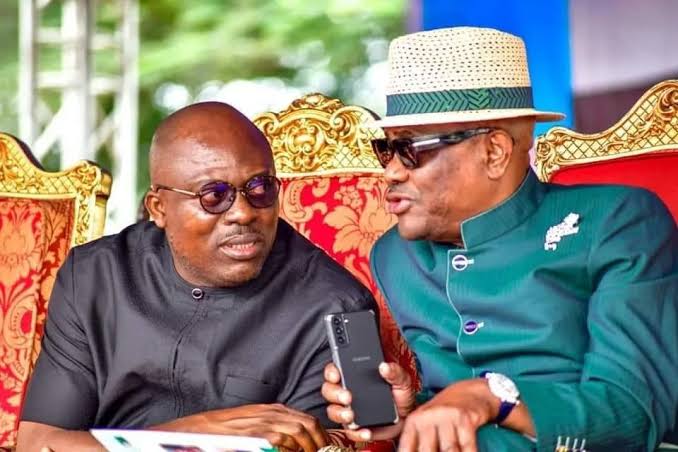
He installed him, mobilizing political machinery, deploying resources, and leveraging influence to secure his protégé’s victory.
Fubara was at that time the perfect loyalist, controlling the finances of Rivers State as Commissioner for Finance and managing the state’s wealth with discretion. His rise was a reward for loyalty, obedience, and political skill, a classic godfather–protégé arrangement where power flowed downward and allegiance was absolute.
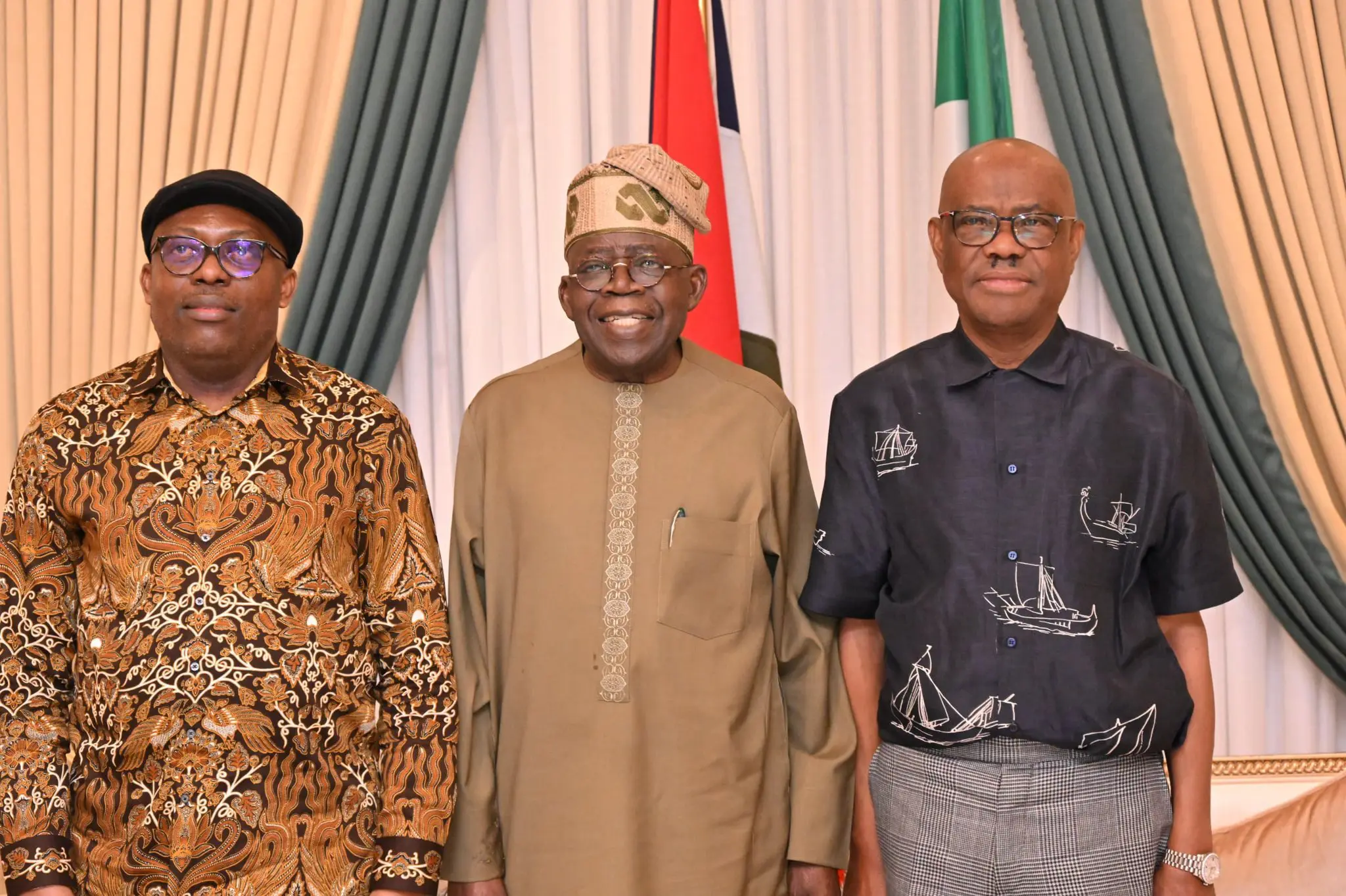
Fubara’s loyalty was tested from the start. While he executed Wike’s directives flawlessly, he also gained visibility and built networks that extended beyond Wike’s immediate control.
In the corridors of power, he developed a reputation for competence and influence, quietly preparing to assert independence once he assumed office as governor.
In gidigbo terms, this was akin to a fighter quietly flexing muscles, preparing for the moment when strength would be measured.
Wike’s own trajectory after leaving office complicated the dynamics. His failed presidential ambition fractured local allegiances, leaving supporters disgruntled and factions emboldened.
His subsequent appointment as Minister of the Federal Capital Territory elevated him nationally but also reignited tensions in Rivers.
Fubara, who had once followed orders without question, now began to see the latitude of power and the possibility of defining his own authority. The first signs of a political smackdown were emerging.
The House of Assembly became the arena where this political gidigbo fight manifested publicly. Lawmakers loyal to Wike attempted to assert dominance and resist Fubara’s directives.
Fubara pushed back with equal force, asserting his gubernatorial authority and refusing to be intimidated. The demolition of the Assembly complex became symbolic blood gushing in the fight, a statement that control would not be ceded without cost. Each side was testing the other, hands on waist, glaring, measuring strengths.
The situation escalated with Fubara’s suspension for six months by President Tinubu, during which Rear Admiral (rtd) Ibok Essien took over as Chief Administrator.
The suspension was a federal smack in the middle of Rivers politics, signaling that the fight had escalated to a national level.
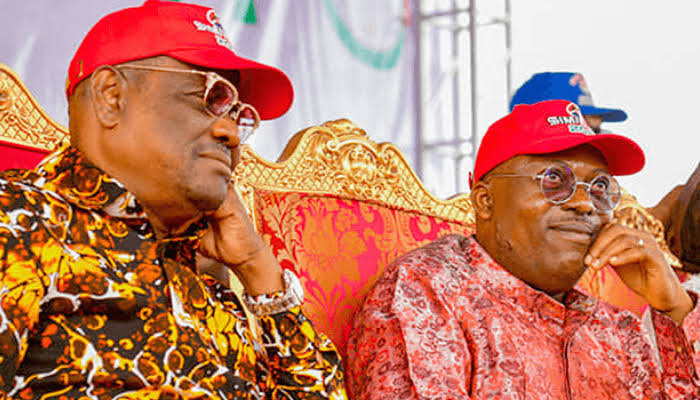
Tinubu attempted to mediate between Wike and Fubara, and for a time, the peace talks seemed successful. Fubara remained in the PDP, seemingly reconciled to Wike’s influence, and the confrontation appeared paused.
However, the truce was temporary. Fubara’s open defection to the APC shifted the balance entirely. The move allowed him to consolidate support within APC structures in Rivers, structures that may have previously yielded to Wike while Fubara was in the PDP.
This defection signaled that Fubara was ready to test strength more openly and seize authority independently. The fight was no longer about godfather–protégé loyalty; it had transformed into a struggle for survival, relevance, and control of political machinery.
Fubara’s post-defection moves reflected calculated political smacks. His attempt to give ₦100,000 to lawmakers for Christmas and New Year, rejected spectacularly, was symbolic of authority being challenged and tested.
His public declarations that lawmakers were not legitimate until he recognized them directly contested the established hierarchy and illustrated the raw intensity of a gidigbo fight, where legitimacy is determined by strength rather than convention.
Wike, in turn, did not relent. Publicly asserting that he owns Rivers politics, he sought to use his federal position to maintain influence.
The rhetoric was sharp, the signals clear, he would not yield his grip without testing Fubara’s strength. Calls for Wike’s suspension as FCT Minister surfaced, fueled by opponents who saw his involvement in Rivers politics as interference.
Simultaneously, support for Fubara’s suspension and the impeachment proceedings against him reflected ongoing federal and local interventions in the political battle.
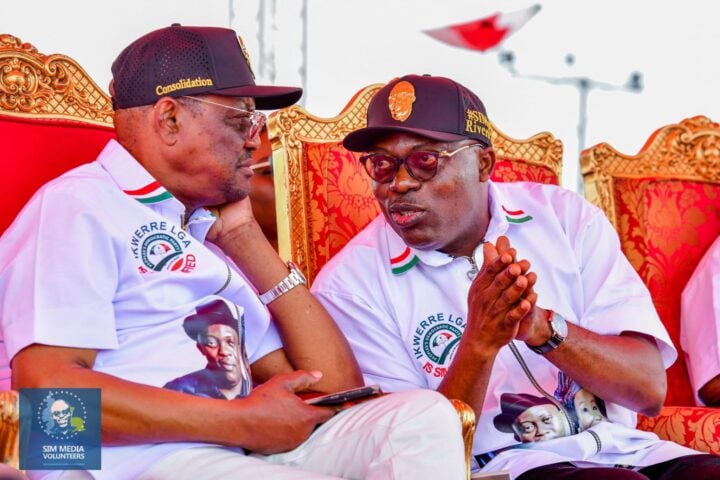
The impeachment process itself has become another arena for the gidigbo fight. Each motion, debate, and legislative maneuver is a tactical blow, with survival instincts driving every participant.
Fubara’s camp views the impeachment as an attempt to weaken his authority, while Wike’s supporters see it as an opportunity to reassert dominance.
The stakes are enormous, as control of Rivers’ legislative and executive machinery equates to influence over the state’s vast resources.
Fubara’s APC alignment adds another layer of intensity. With backing from the APC at both federal and state levels, and possibly from APC governors, he has fortified his position.
The strategic intent is clear, consolidate influence within the party, redefine Rivers’ political landscape, and limit Wike’s residual power. For Wike, this represents not only a personal challenge but also a test of his influence over the state he once dominated.
The conflict is multi-dimensional, with power, loyalty, resources, and federal intervention intersecting. Every move is a test of endurance and political muscle.
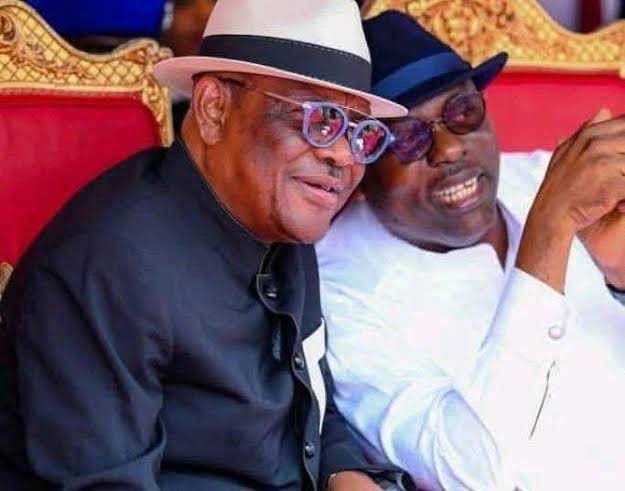
Every statement, public appearance, and maneuver is a symbolic smack, a testing of strength, a hand-on-waist sizing of the opponent. This is a fight where survival is paramount, and retreat is considered defeat.
The gidigbo fight is further complicated by Rivers’ history of godfatherism. From Peter Odili and Celestine Omehia to Rotimi Amaechi, the state has experienced repeated cycles of loyalty, betrayal, and confrontation.
Wike himself emerged from these traditions, understanding both the benefits of mentorship and the inevitability of conflict when protégés consolidate power.
The Wike–Fubara saga is therefore both familiar and unprecedented in its intensity and public visibility.
At its core, this conflict is unresolved and unpredictable. Fubara’s defection, APC backing, and efforts to control party structures ensure that the fight continues unabated.
Wike’s influence at the federal level, combined with his ongoing political interventions, makes the confrontation multidimensional and enduring. There is no clear end in sight, and each side continues to test the other’s strength, resources, and resolve.
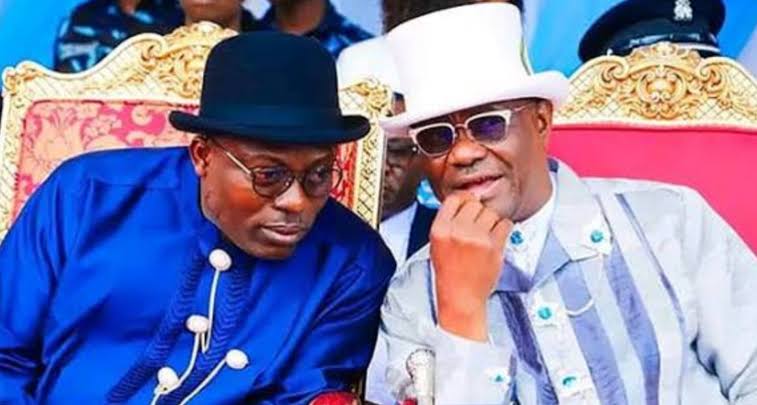
The Wike–Fubara confrontation is a living testament to the nature of Rivers politics, loyalty is transactional, power is contested, and authority must be defended with strategy, strength, and persistence.
It is a political gidigbo fight in every sense, with both actors testing limits, asserting dominance, and refusing to yield, while Rivers State itself becomes the arena for this unrelenting struggle.
FURTHER READING
- Nigerian Army Honours 106-Year-Old World War II Veteran in Taraba
- Shehu Sani Urges Middle-Aged Nigerians to Join Active Politics
- Tiwa Savage Explains Strict Parenting Style for Son
Click here to watch video of the week