- Kwankwaso’s 2027 Strategy May Leave Him Politically Stranded
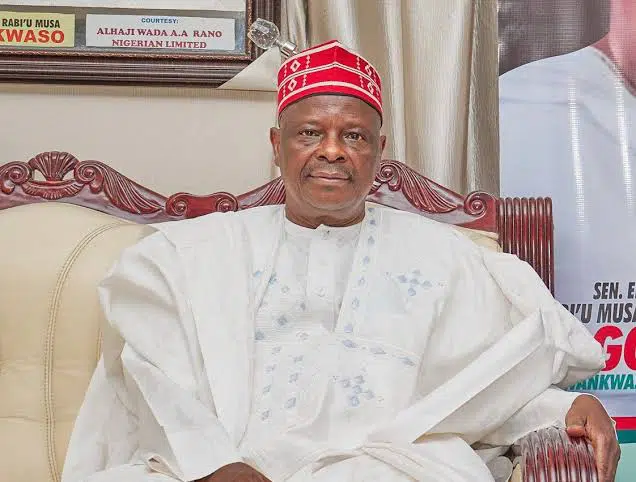
Rabiu Musa Kwankwaso’s renewed interest in the 2027 presidential race is beginning to look less like a strategic comeback and more like a political gamble that may leave him stranded on all sides.
Once celebrated as a strong regional force from Kano and a symbol of alternative politics in 2023, Kwankwaso now faces shrinking options, internal rejection and an opposition space that no longer bends to personal demands.
EDITOR’S PICKS
- Kano Court Hands Death Sentence to Father Who Poisoned Newborn
- Lagos Assembly Approves ₦4.44 Trillion Budget for 2026
- Nigeria Fast-Tracks AH-1Z Helicopters to Boost Counterterrorism
EKO HOT BLOG reports that the declaration by the New Nigeria Peoples Party that he will not fly its presidential flag in 2027 has exposed how far his political standing has shifted within a party he once dominated.
In 2023, Kwankwaso ran on the NNPP platform largely because the party had no other national figure of similar stature. The arrangement was convenient for both sides. The party gained instant visibility while Kwankwaso secured a ticket without a bruising internal contest.
That election, however, also revealed the limits of his reach. Outside Kano and pockets of the North West, his appeal struggled.
The idea that the Kwankwasiyya movement could translate regional loyalty into a nationwide surge did not materialise. What followed after the polls was even more damaging. Internal disagreements, accusations of anti party activities and a breakdown of trust between the NNPP leadership and the Kwankwasiyya structure gradually pushed Kwankwaso to the margins of the party.
The NNPP leadership has now drawn a clear line. By insisting that the 2027 presidential ticket will be open to all qualified members and that Kwankwaso remains expelled, the party is signalling that it no longer sees him as indispensable. More striking is the tone used by party officials. Describing his Kano influence as overrated and openly comparing his electoral weight to that of President Bola Tinubu reflects a confidence that the NNPP can move on without him. Whether that confidence is justified is another debate, but politically, the message is unmistakable.
Faced with this rejection, Kwankwaso has turned his attention to possible alliances.
His recent remarks that any party he joins must offer him either the presidential or vice presidential ticket have raised eyebrows across the political class. In Nigeria’s coalition driven politics, such conditions are rarely accepted without clear electoral value. Parties negotiate from strength, numbers and structure, not sentiment or past glory. For a politician whose last national outing ended far behind the leading contenders, the demand appears detached from current realities.
Speculation around his alignment with the African Democratic Congress and other opposition talks has also failed to inspire confidence. The ADC itself is grappling with internal tensions and limited national spread. Any coalition built on weak structures and competing ambitions risks collapsing before it even reaches the campaign stage. For Kwankwaso, tying his future to such fragile arrangements could mean contesting without the machinery required to compete against a sitting government.
This is where the argument that he may end up losing on all ends gains weight. Shut out by his former party, demanding too much from opposition alliances and unwilling to recalibrate his expectations, Kwankwaso risks political isolation. The NNPP is already shopping for new aspirants. The opposition space is crowded with figures seeking relevance. The ruling APC, meanwhile, is consolidating power ahead of 2027.
Ironically, aligning with President Tinubu and the APC, even without a presidential ticket, might have offered Kwankwaso a more pragmatic path. Such a move could have preserved his influence, protected his political network in Kano and positioned him as a key northern stakeholder within the ruling structure. Nigerian politics often rewards proximity to power more than symbolic opposition. History is filled with examples of politicians who traded ambition for access, only to return stronger later.
Kwankwaso’s current posture suggests a man still fighting the last war. The political environment of 2027 is not that of 2023. Voters are more fragmented, parties more transactional and patience for personality driven movements thinner. Without recalibrating his strategy, the former Kano governor may discover too late that political relevance is not sustained by past influence alone.
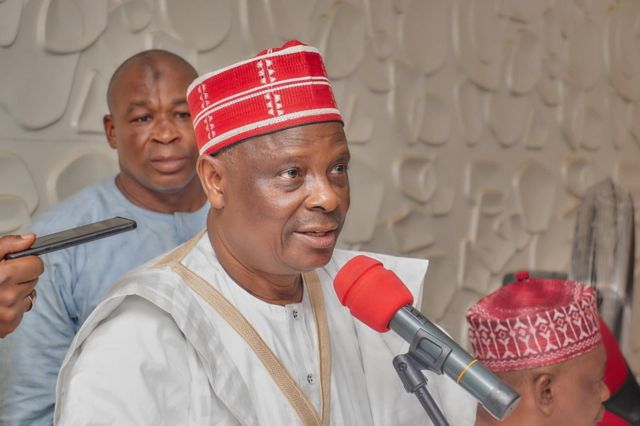
As things stand, his ambition appears caught between pride and pragmatism. If he insists on top billing without the numbers to command it, he may watch 2027 from the sidelines. In Nigerian politics, survival often depends not on standing firm, but on knowing when to bend.