- UNICEF: Nigeria Ranks 3rd Globally in Female Genital Mutilation Cases
- The harmful practice persists across many communities
- Rotimi Babalola said similar dialogues had been held with civil society organisations
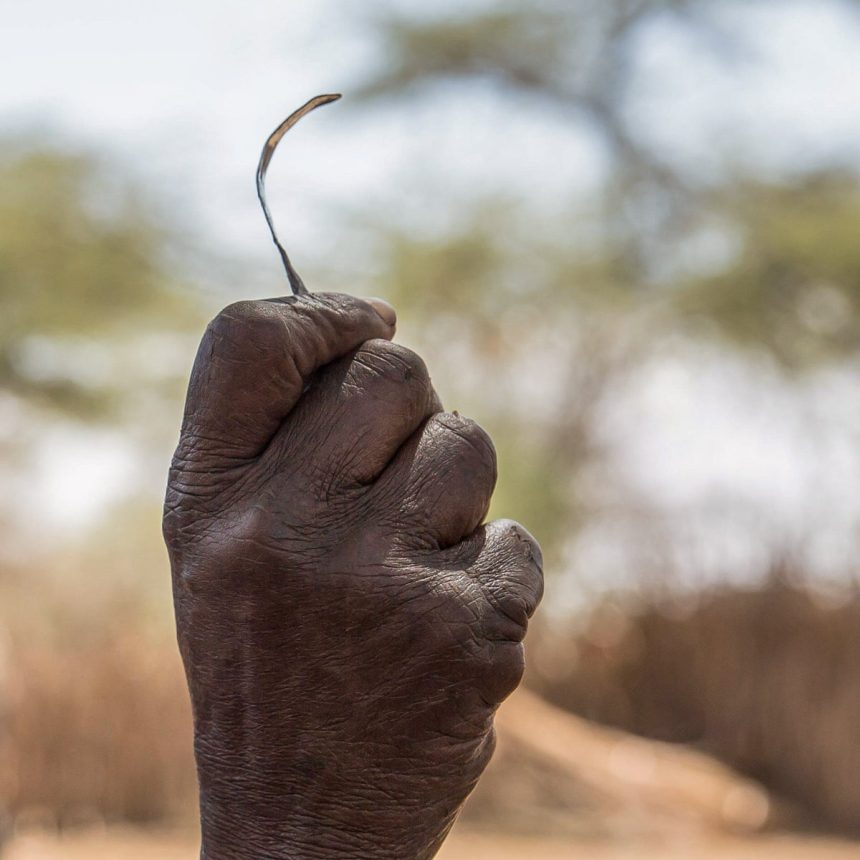
Nigeria has the third highest number of female genital mutilation (FGM) cases in the world, with an estimated 20 million women and girls affected, according to the United Nations Children’s Fund (UNICEF).
Eko Hot Blog reports that Celine Lafoucriere Chief of UNICEF’s Lagos Field Office, disclosed this on Wednesday during a two-day media dialogue on advocacy to end FGM in Nigeria.
EDITOR’S PICK
- Details Of Fubara’s Meeting With Tinubu In Aso Villa Emerge
- Tambuwal Politically Retired, Has No Future Plans – APC
- Dembele Wins 2025 Ballon d’Or After Historic Season With PSG
The programme, held in Benin City, was organised by the Oyo State Ministry of Information for media practitioners from the South-West and Edo State.
“This is a huge number we cannot be blind or deaf to. Most of them were cut before their fifth birthday, at an age when they were completely powerless, when they couldn’t consent, resist or even understand what was happening,” Lafoucriere said.
She noted that although FGM is outlawed in Nigeria, the harmful practice persists across many communities, sustained by myths and traditions.
“No culture or custom should ever come at the expense of girls’ health, rights or their future,” she added, while stressing that ongoing collaborations between the Federal Government and UNICEF were driving positive change.
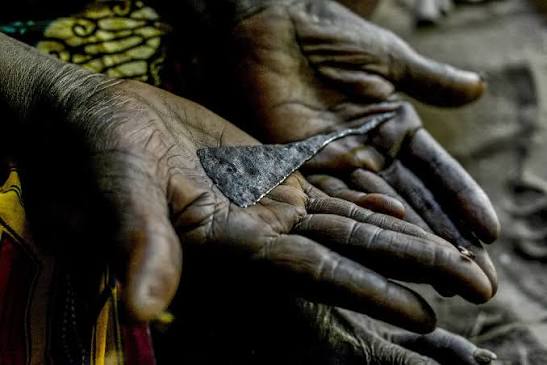
Lafoucriere described FGM as a violation rather than a choice, and urged the media to intensify advocacy to help bring an end to the practice.
Permanent Secretary of the Oyo State Ministry of Information, Rotimi Babalola, said similar dialogues had been held with civil society organisations, the judiciary and security agencies in Oyo and Lagos States.
He underscored the media’s role in setting the agenda for society and urged greater effort in mobilising against FGM.
Sexual and reproductive health consultant, Aderonke Olutayo, also called for more involvement of parents and men in the campaign.
She argued that men, who are often excluded from the conversation, remain key decision-makers in families.
Olutayo further identified barriers to reporting and prosecution of FGM cases, including fear of reprisal, lack of safe reporting channels, minimal arrests and prosecutions, and the fear of stigmatisation and social exclusion among survivors.
FURTHER READING
- INEC Releases Final List of Candidates for 2026 FCT Area Council Elections
- Rivers NASS Caucus Commends Tinubu Over Emergency Rule
- Odo-Egiri Youths Champion Literacy with Book and Cash Donations
Click here to watch video of the week
: