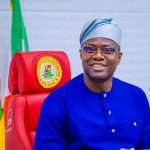
The resignation of Morris Monye, director of mobilisation of the Obidient Movement, the support group of former presidential candidate, Peter Obi, has stirred debate not just about internal fractures within the Labour Party (LP), but about deeper, recurring lessons in Nigerian politics.
His exit — citing lack of structural support, poor communication, and personal financial strain — reflects two enduring realities: that politics in Nigeria is expensive, and that even the most energetic movements cannot survive without hands-on leadership.
EDITOR’S PICKS
Money Still Drives Political Organisation
Monye’s revelation that he personally spent about ₦40 million to keep mobilisation activities alive underscores the critical role of funding in Nigerian politics. Despite the Obidient Movement’s vast online popularity and volunteer-driven energy, the machinery behind elections — travel, event coordination, media visibility, polling unit organisation — requires sustained financing.
His complaint that the Directorate of Mobilisation had no official funding, no bank account, and no institutional support reflects a broader structural problem in civic-led political movements: goodwill alone cannot build a ground operation. Nigerian elections are resource-intensive, from paying agents to establishing local networks.
Monye’s predicament shows that when institutional funding is absent, individuals carry disproportionate burdens. This creates burnout and weakens accountability. It also exposes movements to financial instability, making them vulnerable during crucial electoral cycles.
His warning that “you can’t run a campaign simply from general goodwill” speaks to a nation where political success still depends on structured funding, transparency, and measurable outputs.
Charismatic Leaders Must Remain Hands-On
Monye’s frustrations also point to the second major lesson: popular movements require active leadership from their figureheads. His allegation that Obi offered no communication, guidance, or support to the mobilisation directorate — even during the Anambra governorship campaign — reveals a disconnect between the movement’s public energy and its internal coordination.
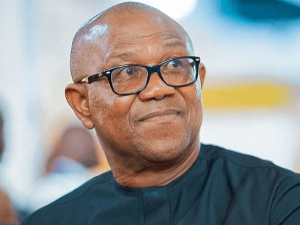
Nigeria’s political landscape is dominated by personalities. But personality-driven politics also demands continuous engagement. Movements like the Obidient Movement, which grew organically around Obi’s appeal in 2022–2023, rely on the leader’s visibility and involvement to sustain momentum. When communication breaks down, structures weaken.
Monye’s remarks suggest that the lack of hands-on leadership led to strategic paralysis. Plans remained incomplete, polling unit initiatives stalled, and mobilisation efforts drifted without direction.
In an environment where other major parties utilise professional political consultants, robust funding channels, and centralised command structures, loosely coordinated movements risk losing ground quickly.
The Limits of Spontaneous Movements
Ultimately, Monye’s resignation highlights a larger national question: Can passion-based political movements survive in Nigeria without the formal structures of traditional parties? His call for professional consultants, accountability systems, and leadership engagement indicates a need for movements to evolve beyond enthusiasm.
FURTHER READING
As Nigeria moves further from the surprise surge of 2023, the Obidient Movement — and others like it — may need to transition from emotional mobilisation to institutional discipline. Without this shift, internal resignations such as Monye’s may continue to expose the tension between idealism and the realities of Nigerian politics.
Philip Ibitoye is a Special Correspondent with EKO HOT BLOG. Click here to find daily analysis and critical insight on trending issues in Lagos and other parts of Nigeria.
Click here to watch the video of the week below: