- Fubara assured residents that the government is committed to boosting employment
- He explained that his administration is already implementing a planned and data-driven approach to reverse the rot
- Fubara admitted that many public schools across the state are in deplorable condition
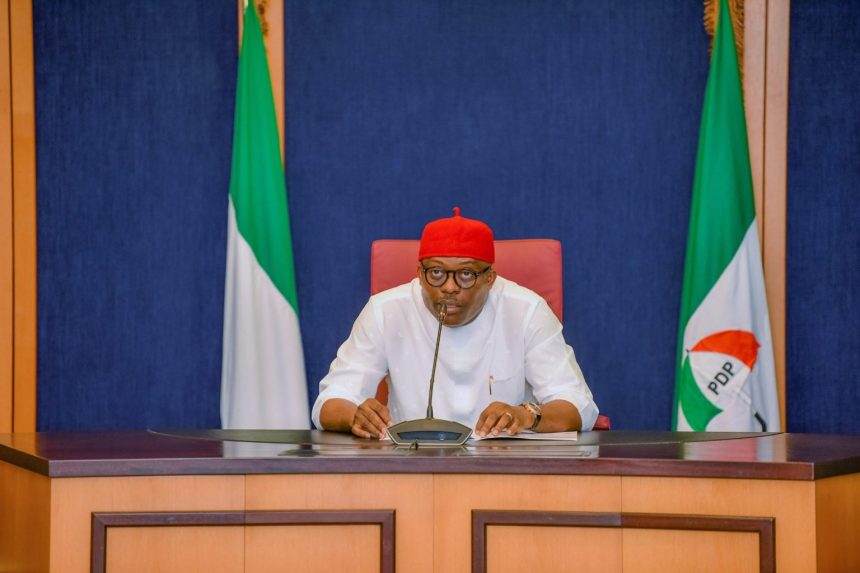
Rivers State Governor, Siminalayi Fubara, has reaffirmed that upgrading the state’s poorly performing education system remains one of the most urgent priorities of his administration.
Eko Hot Blog reports that the governor made the commitment on Monday while declaring open the 123/124 combined quarterly meeting of the Rivers State Council of Traditional Rulers in Port Harcourt, where he disclosed that the education sector will take the largest share of the 2026 budget.
EDITOR’S PICK
- Third Time’s The Charm? Lagos Sets Another 18-Month Timeline To Close Olusosun, Other Dumpsites
- Lagos Is Not a Laboratory for Political Apprentices,” APC to ADC
- Eedris Abdulkareem Loses Facebook, Instagram Accounts
Fubara admitted that many public schools across the state are in deplorable condition but stressed that the deterioration was a long-standing problem that did not emerge under his watch, adding that the issue was heavily weaponised against him during the 2023 electioneering period.
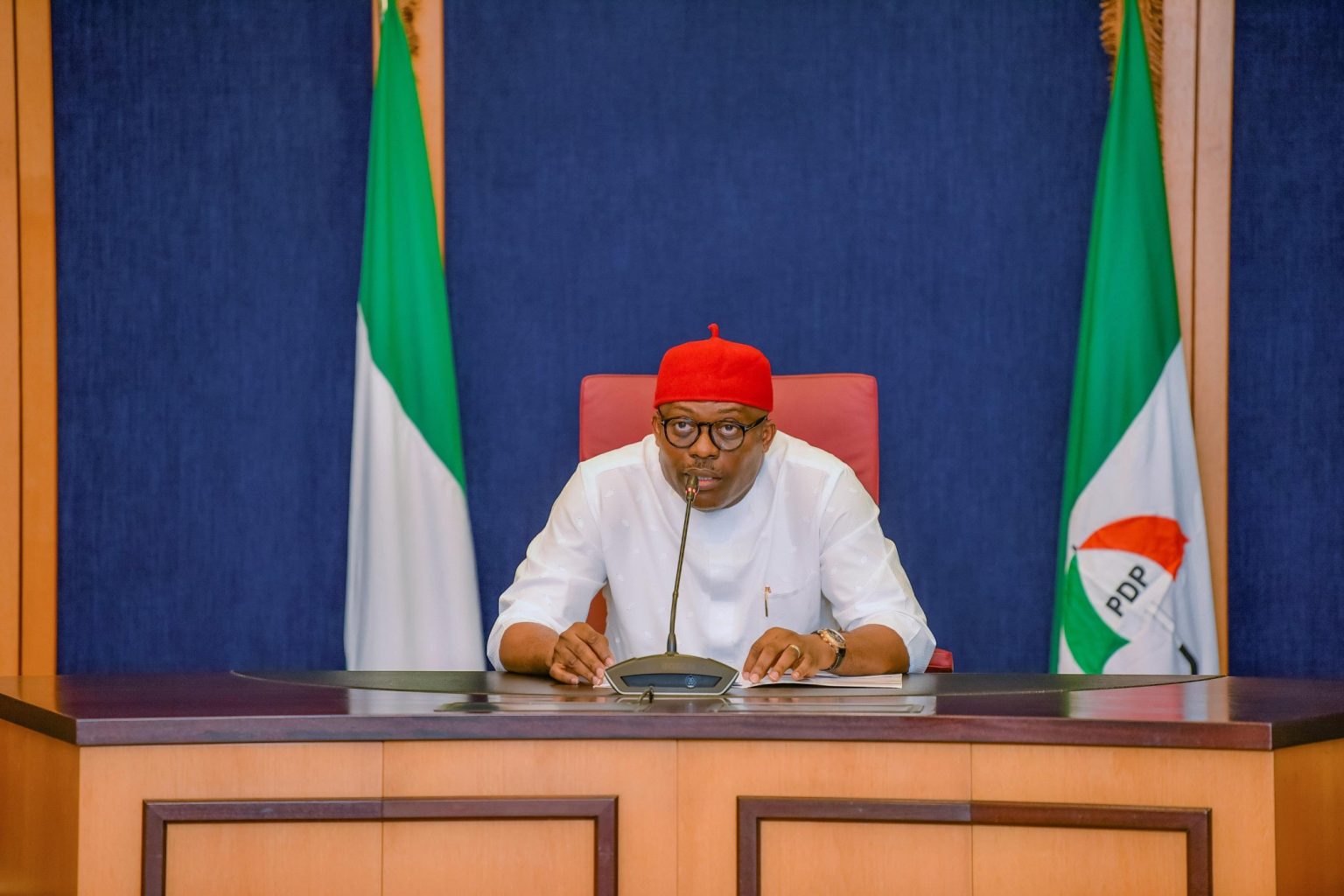
He explained that his administration is already implementing a planned and data-driven approach to reverse the rot, noting that his professional background in public administration has shaped the strategy being deployed to rebuild the system.
Speaking on the health sector, the governor highlighted the ongoing rehabilitation of zonal hospitals and welfare improvements for medical personnel as signs of the steady progress being recorded in service delivery.
On job creation, Fubara assured residents that the government is committed to boosting employment but insisted that the planned recruitment exercise, including the much-anticipated 10,000 vacancies, will be conducted strictly based on the manpower needs of the state and not influenced by politics.
The meeting, which served as the third and fourth joint session for the year and the fourth since he assumed office, also provided Fubara the opportunity to appreciate traditional rulers for their role in resolving the political crisis that once threatened the state’s stability.
FURTHER READING