- Senate Begins Debate on ₦58.47trn 2026 Appropriation Bill
-
Capital expenditure dominates spending, targeting infrastructure and economic growth
-
Lawmakers urged to ensure fiscal discipline and effective budget oversight
The Senate on Tuesday commenced debate on the 2026 Appropriation Bill, with the Senate Leader, Senator Opeyemi Bamidele, leading deliberations on the proposal seeking approval for federal spending of ₦58.472 trillion in the 2026 fiscal year.
EDITOR’S PICKS
- How Kidnapped Niger Schoolchildren Were Rescued – Presidency
- FG Explains ₦58.18 Trillion 2026 Budget Increase
- US–Nigeria Ties Remain Strong Despite CPC Listing
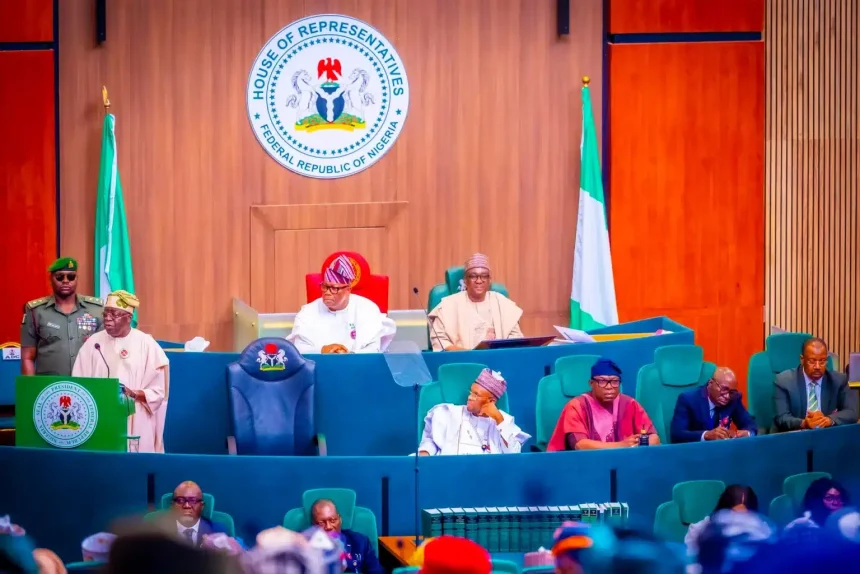
EKO HOT BLOG reports that presenting the general principles of the Bill during plenary, Bamidele said the legislation provides the legal framework for implementing the 2026 Budget presented by President Bola Ahmed Tinubu to a joint session of the National Assembly on December 19, 2025. He noted that the Bill was deemed to have passed first reading in line with parliamentary practice.
“Distinguished colleagues, I rise to lead the debate on a Bill for an Act to authorise the issue from the Consolidated Revenue Fund of the Federation the total sum of ₦58,472,628,944,759 for the services of the Federation for the year ending December 31, 2026,” Bamidele said.
He described the Appropriation Bill as a critical legislative instrument that translates government policy into enforceable public spending. According to him, the 2026 Budget is designed to consolidate ongoing economic reforms, stabilise key indicators, and accelerate growth through targeted investments.
Bamidele explained that the proposed expenditure includes ₦4.097 trillion for statutory transfers, ₦15.909 trillion for debt service, ₦15.252 trillion for recurrent expenditure, and ₦23.214 trillion for capital expenditure. He said capital spending represents the largest discretionary component, reflecting the government’s focus on infrastructure development and economic expansion.
The Senate Leader said the capital allocation targets sectors such as transport, power, agriculture, housing, industrial development, and the digital economy to stimulate productivity and job creation.
On recurrent expenditure, he assured lawmakers that cost control measures would be enforced to ensure efficient service delivery across government agencies. He also clarified that the debt service provision covers existing obligations, not new borrowing.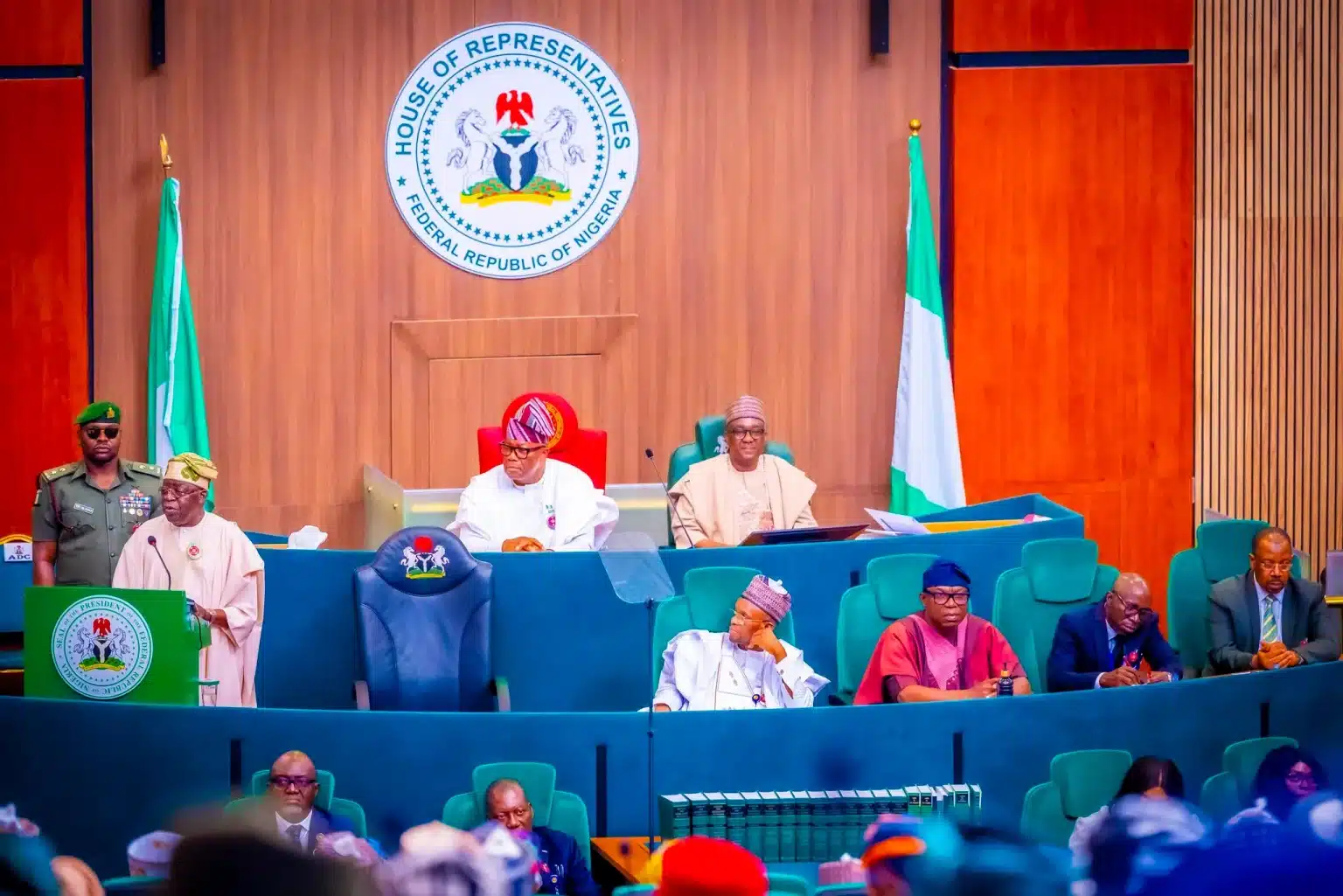
Bamidele added that the administration aims to strengthen revenue mobilisation and reduce borrowing, while maintaining fiscal discipline within approved frameworks. He urged senators to ensure transparency and value for money as the Bill proceeds to detailed legislative scrutiny.
FURTHER READING
- President Lauds DSS Leadership for Positive Media Engagement
- Naira Set to Strengthen, Borrowing Ratesto Fall in Next Six Months – CBN Survey
- New Nigerian Tax Laws to Boost Investment and Fiscal Stability, – FIRS