- the long-term goal is to institutionalise Esilokun Day as a flagship cultural festival that promotes tourism
- She said the financial assistance would be used to support her education and prepare for future academic opportunities
- He likened the Esilokun Day celebration to other heritage festivals such as Ojude Oba in Ijebu-Ode
The historic community of Igakosoko, Idumota, in the heart of Ìsàlẹ̀ Èkó, Lagos, came alive on Friday as members of the Esilokun lineage gathered for the 2025 Esilokun Day celebration, a colourful cultural event dedicated to preserving history, strengthening family bonds and promoting community development.
Eko Hot Blog gathered that the celebration, which is deeply rooted in the same traditional heritage that birthed the iconic Eyo Festival, held on the eve of Adamú Òrìṣà, a period traditionally associated with joy, anticipation and communal harmony across Lagos.
The timing further underscored the spiritual and cultural connection between Esilokun Day and the revered Eyo tradition.
EDITOR’S PICK
- Obaseki Condemns Attack As Suspected Thugs Strip Cousin Naked In Benin
- Nigeria Remains Stable, Not at War, Edun Assures Investors
- Lagos Shines as Eyo Festival Returns to TBS
Speaking at the event, Prince Abiola Olojo-Kosoko, Chairman of the Esilokun Day Organising Committee, described the 2025 edition as a rebranded and elevated celebration designed to reflect both tradition and modern excellence. He said the new outlook of the festival was aimed at positioning Esilokun Day as a major fixture on the Lagos cultural calendar.
Prince Olojo-Kosoko explained that the venue arrangement, the introduction of a comprehensive event brochure and the infusion of a contemporary touch were deliberate efforts to make the celebration attractive to corporate bodies and multinational organisations seeking cultural partnerships.
He expressed appreciation to the Council of Elders for their guidance and support, noting that their wisdom played a key role in shaping the vision of the event.
According to him, the long-term goal is to institutionalise Esilokun Day as a flagship cultural festival that promotes tourism, attracts investment and serves as a platform for cultural exchange, while celebrating the enduring legacy of King Eshinlokun, one of Lagos’ historic monarchs.
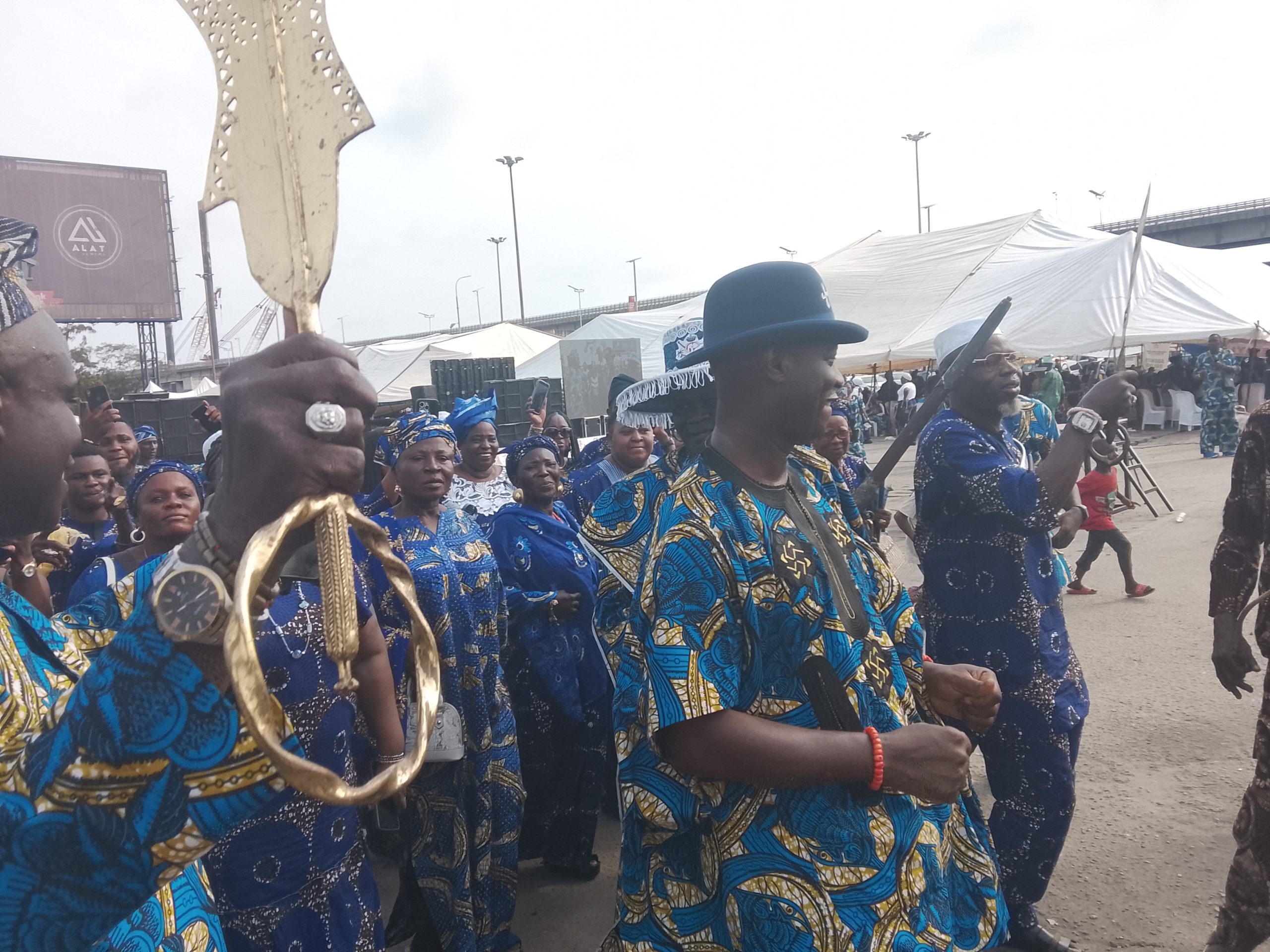
The event featured a procession of the various families under the Esilokun lineage, showcasing unity and continuity among descendants at home and in the diaspora.
Cultural performances, traditional music and dance displays added colour and vibrancy to the gathering, drawing admiration from guests and community members.
As part of its social impact initiatives, the Esilokun family organised a free medical outreach, with health professionals led by Bosede Daudu providing medical check-ups for attendees.
Scholarships were also awarded to university students, alongside the distribution of empowerment funds to support small-scale businesses and economic activities within the community.
One of the scholarship beneficiaries, Ojobaro Mutiat Taiwo, expressed gratitude for the unexpected support, describing the award as a major encouragement for her academic journey.
She said the financial assistance would be used to support her education and prepare for future academic opportunities, while encouraging young people to take their studies seriously.
High-profile interviews conducted at the event further highlighted the cultural importance of Esilokun Day. Senator Wasiu Sanni Eshinlokun explained that King Eshinlokun played a fatherly role to other Lagos monarchs, including King Kosoko, and described the celebration as a reaffirmation of identity and tradition in Ìsàlẹ̀ Èkó.
He noted that the Eyo Festival is not an annual event, as its celebration is determined by traditional authorities, adding that the festival remains one of Lagos’ most globally recognised cultural symbols.
Prince Sikiru Adeoye Kosoko, General Secretary of Kosoko Land, also emphasised the significance of preserving historical artefacts, revealing that many items displayed at the event, including royal staffs and symbols, are over a century old.
He explained that while Esilokun Day is distinct from the Eyo Festival, both celebrations reflect the shared heritage of Lagos, stressing the importance of peace, discipline and respect for tradition.
In his remarks, Shakiru Adekinle Olufunmi, Olori Ebi of the Eshinlokun family, disclosed that the lineage comprises 16 families and that only two descendants, Kosoko and Kini-un Ojulari, have ascended the throne.
He likened the Esilokun Day celebration to other heritage festivals such as Ojude Oba in Ijebu-Ode, noting that the event serves as a platform for remembering forefathers and strengthening generational ties.
The 2025 Esilokun Day celebration attracted attendees from within and outside Nigeria, including visitors from the United States, Germany and Australia, reinforcing its growing international appeal.
Organisers expressed optimism that with continued support, the festival would evolve into a world-class cultural event that reflects the pride, resilience and enduring traditions of Lagos.
FURTHER READING