This has left behind nations that are politically independent yet psychologically dependent, a reality that demands urgent and collective resistance if the continent is to survive with dignity
EDITOR’S PICK
- Akpabio Assures Nigerians of Strong Institutions in 2026
- Dollar to Naira Rate for Today, January 1 2026
- Military Eliminates 20 Top Terrorist Commanders, Rescues 2,336 Kidnap Victims in 2025
Kwame Nkrumah warned the world that the end of colonial rule did not mark the end of domination, instead it marked its transformation into a more dangerous and silent system where control is exercised through debt, foreign aid, trade imbalance, cultural superiority and economic dependency, a system that allows Africa to appear free while remaining trapped within structures designed to benefit others.
Across the continent, the evidence is undeniable as Africa continues to export raw materials and import finished products, export crude oil and import refined fuel, grow cocoa and buy chocolate, mine minerals and buy technology.
These cycle that trains Africans to consume what they do not produce while rejecting what they can create, reinforcing a dependency mindset that keeps local industries weak and foreign economies strong.
Nkrumah understood that this system survives because many Africans, especially the youth, do not recognise it as a continuation of slavery, choosing instead to celebrate foreign lifestyles, imported cultures and external validation while ignoring the long-term cost of surrendering economic control and cultural identity, a dangerous complacency that opens the door to a new form of colonisation without guns or flags.
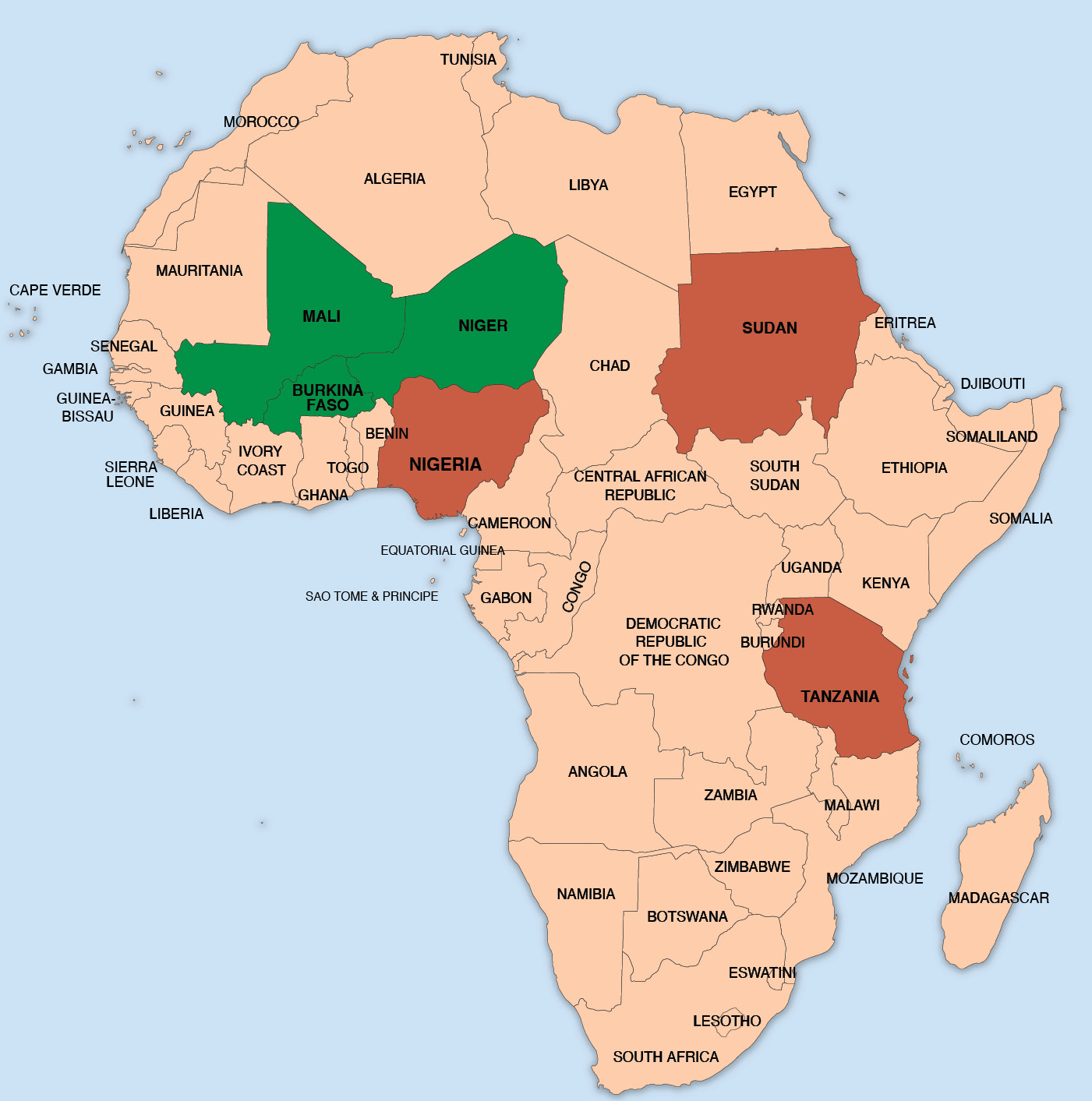
If today’s African youth fail to question this structure, refuse to take a clear stance and avoid the responsibility of resistance, the probability of Africa being recolonised increases, not through military invasion but through permanent debt, digital dependency, foreign control of natural resources, and policy influence that strips nations of the power to decide their own future.
Unity remains Africa’s most powerful weapon, yet it is the most neglected, as colonial borders continue to divide communities that should be collaborating economically and culturally, allowing global powers to negotiate with African states individually, dictate terms, and extract value.
A weakness that would collapse instantly if Africa acted as one political and economic force, as envisioned by Nkrumah.
Education must stop producing consumers and start producing builders, thinkers, and creators who understand African history, respect African knowledge systems, and possess the confidence to develop solutions rooted in their own environment, because without mental liberation, political independence remains a ceremonial illusion.
For Instance, the Democratic Republic of Congo is the most important African country for phone production because it supplies cobalt, the backbone of modern smartphone batteries,s but Africa as a continent already has what it takes to build phones if it chooses unity over dependency.
African countries export raw minerals cheaply, while finished phones are imported at high cost. This is exactly what Kwame Nkrumah warned about: political independence without economic control.
Leadership matters, but the responsibility of this moment rests heavily on the shoulders of the youth who must choose awareness over ignorance, courage over comfort, and production over consumption, understanding that silence is collaboration and neutrality is surrender in a world that thrives on exploitation.
FURTHER READING