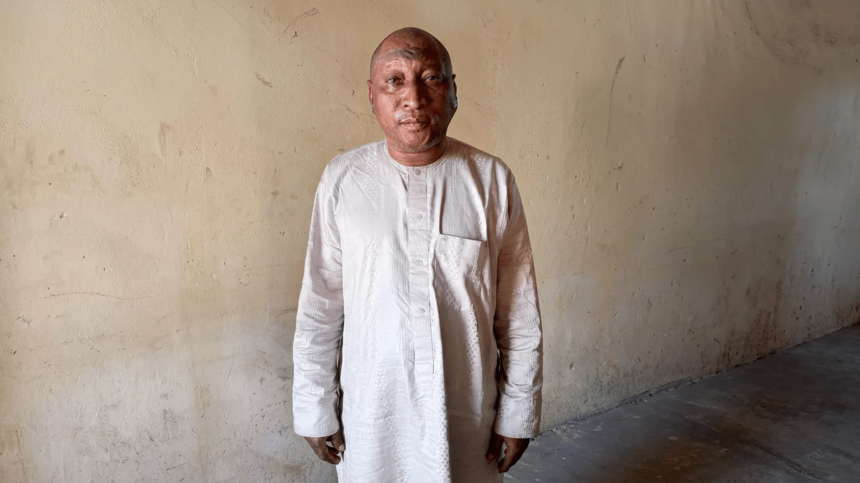
- OPHK Uncovers Coordinator Behind Recent Suicide Attacks in North-East
- Uba explained that confessional statements obtained from 14 suspects arrested during the operation helped security forces
- The discoveries have exposed how terrorist facilitators exploit family ties and community structures
The Military Joint Task Force, Operation Hadin Kai (OPHK), has identified Shariff Umar as the principal coordinator behind recent suicide bombing attacks in Nigeria’s North-East, Eko Hot Blog reports.
According to findings by the task force, Umar played a central role in recruiting, indoctrinating, directing and deploying suicide bombers, while also overseeing the logistics and supply of Improvised Explosive Device (IED) components used in the attacks.
EDITOR’S PICK
- Police Arrest Anthony Joshua’s Driver Over Fatal Crash
- Remi Tinubu Unveils Nigeria’s First Baby of 2026 in Abuja
- Olukoya Warns of Tough 2026
The Media Information Officer of OPHK, Lt Col Sani Uba, disclosed this in a statement issued on Saturday, following intelligence-led cordon-and-search operations conducted in the Kalmari area of Maiduguri on December 31, 2025.
Uba explained that confessional statements obtained from 14 suspects arrested during the operation helped security forces unravel the structure and operational linkages of the terror cell.
“During the investigation, a suspected suicide bomber currently in custody, Ibrahim Muhammad, clearly identified Shariff Umar, also known as ‘Yusuf’, as the ringleader and coordinator of the network,” Uba said.
He noted that multiple, corroborated accounts confirmed Umar’s role in recruiting and preparing suicide bombers, assigning targets and coordinating the delivery of IED materials.
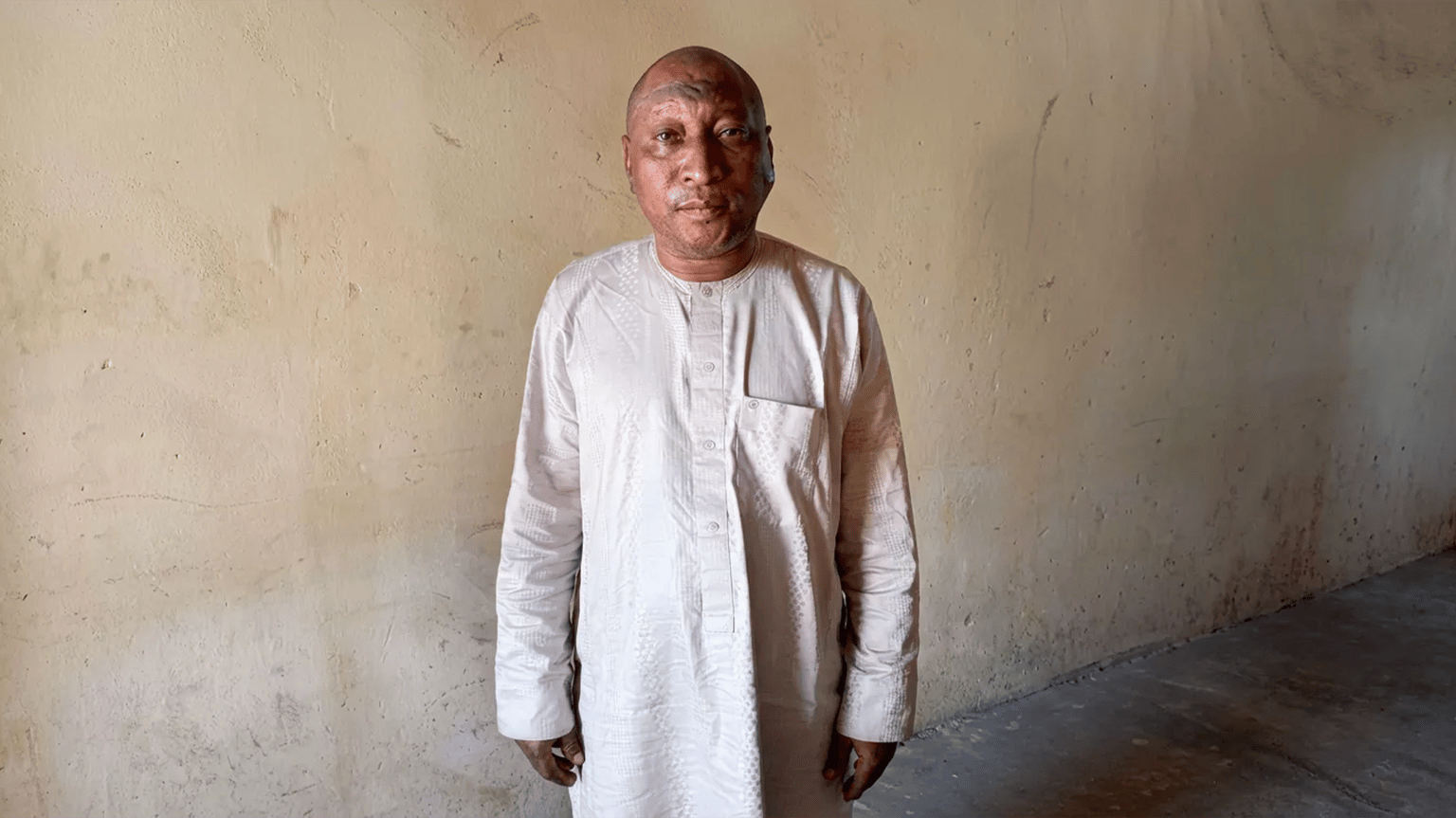
Further investigations revealed that Umar directly coordinated the suicide bombing at the Gamboru Market Mosque on December 24, 2025, where one of his accomplices, identified as Adamu, detonated a suicide vest and was killed in the process.
Uba added that Umar was also linked to a foiled suicide bombing attempt in Damaturu, where he allegedly handed over IED components to the would-be attacker in Maiduguri.
Security operatives also uncovered additional links within the network, including the involvement of Umar’s wife, Yagana Modu. His stepdaughter, Amina, reportedly confirmed that she had previously seen the suspected suicide bomber within their residence.
According to OPHK, the discoveries have exposed how terrorist facilitators exploit family ties and community structures to conceal their activities.
“All suspects remain in custody and are undergoing intensive, multi-layered investigations aimed at dismantling the entire network, identifying collaborators and recovering any remaining explosives or logistical assets,” Uba said.
He stressed that the breakthrough underscored the importance of cooperation between security agencies and civilians, noting that terrorist groups often survive by blending into communities.
Uba urged residents to remain vigilant and promptly report suspicious movements or individuals, adding that sustained collaboration between OPHK troops and local communities is critical to eliminating terrorism and restoring lasting peace in the region.
FURTHER READING
- New Year Blaze Renders Four Shops in Ikotun Ruined
- Seven Costly Mistakes First-Time Investors Must Avoid in 2026
- Keyamo: Atiku Controls ADC, Warns of Zoning Crisis
Click here to watch video of the week