- Dollar to Naira Exchange Rate Today, February 8, 2026
- Official interbank rate remains lower near ₦1,364.
- Gap underscores ongoing forex market pressures.
The dollar to naira exchange rate today, Sunday, February 8, 2026, reflects ongoing dynamics in Nigeria’s foreign exchange markets as demand for foreign currency remains robust amid supply challenges.
EDITOR’S PICKS
- Health Workers Warn as Antivenom Gaps Undermine Snakebite Treatment
- Tinubu Approves ₦40bn Zero-Interest Loans for University Lecturers, Staff
- 5 Health Risks Men Face After Age 40
EKO HOT BLOG reports that according to data from international currency converters, one United States dollar (USD) is trading around ₦1,364 on the official foreign exchange market a slight change from late last week. Market rates can vary across platforms, but this figure offers a benchmark for official interbank and bank transactions. In contrast, the parallel (black) market continues to trade the dollar at a significantly higher rate of around ₦1,455, reflecting persistent pressure on the naira outside formal channels.
These divergent rates highlight the ongoing gap between official and informal forex markets in Nigeria, where limited dollar liquidity often pushes individuals and businesses to the parallel market despite higher costs. Analysts say such conditions are driven by strong demand from importers, travel and corporate needs, combined with relatively constrained dollar supply from official channels.
Below is a breakdown of today’s exchange rates.
Dollar To Naira Black Market & Official Rates Today
| Market | Rate (₦ per $1) |
|---|---|
| Black Market (Parallel) | ₦1,455 |
| Official / Interbank | ₦1,364 |
Experts note that the gap between the official and black market rates remains wide, a pattern seen across recent weeks as official rates show relative stability while the parallel market responds more quickly to retail demand and speculative pressures. Traders in Lagos, Abuja and other commercial centres say the black market premium persists because many individuals and small businesses still struggle to access dollars through formal banking channels.
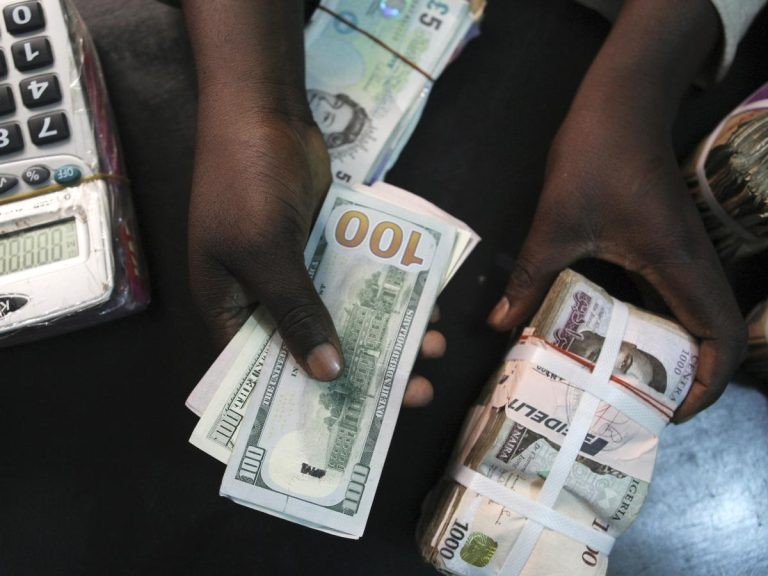
For everyday transactions, the official rate tends to be the reference for banks and corporates, while the parallel market rate impacts cash forex exchanges at bureaux de change and informal venues. Economists caution that until liquidity improves and regulatory reforms deepen, the naira is likely to remain under sustained pressure against the dollar.
FURTHER READING
- Super Eagles Still Hopeful of 2026 World Cup Qualification – Iwobi
- PHOTOS: Kaduna Governor Uba Sani Visits Tinubu in Abuja
- Tinubu Orders Safe Transit Routes to Clear Niger-Bound Cargo