- Saudi authorities did not directly confirm the strikes when contacted
- Officials from both Iran and Saudi Arabia reportedly engaged in intensive diplomatic contacts after the strikes
- One Iranian official said the arrangement was intended to halt hostilities
Saudi Arabia reportedly carried out a series of undisclosed military strikes inside Iran in retaliation for attacks targeting the kingdom during the recent Middle East conflict, according to Western and Iranian officials familiar with the matter.
Eko Hot Blog reports that the strikes, which have not previously been made public, are believed to mark the first known instance of Saudi Arabia directly launching military action on Iranian territory, highlighting a more assertive posture by Riyadh against its long-time regional rival.
EDITOR’S PICK
- Fani-Kayode, Omokri Oppose Return Of Power To North Before 2031, Endorse Tinubu For 2027
- Putin defends Ukraine war amid NATO aggression claims
- Epe Stakeholders Unite in Massive Endorsement for Wale Raji, Tobun, Tinubu, Others
According to two Western officials, the operations were conducted by the Saudi Air Force in late March as part of retaliatory measures following attacks on Saudi territory. However, details of the specific targets hit inside Iran remain unclear.
Saudi authorities did not directly confirm the strikes when contacted, while Iran’s foreign ministry also declined to comment on the reports.
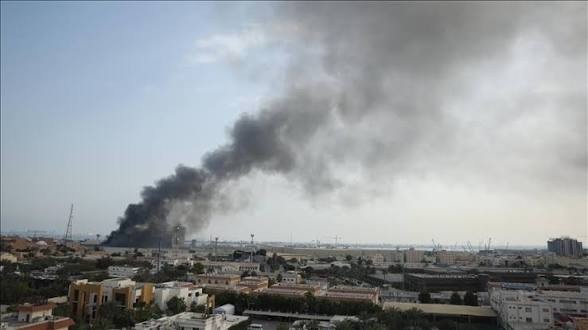
The development underscores the growing regional dimensions of the conflict that escalated after the United States and Israel launched airstrikes on Iran on February 28.
Since then, Iran has reportedly launched missiles and drones at all six Gulf Cooperation Council states, targeting military facilities, airports, oil infrastructure and civilian locations. Tehran also temporarily disrupted maritime trade by closing the Strait of Hormuz.
Reports also indicate that the United Arab Emirates conducted separate military strikes against Iran, signaling that Gulf states affected by Iranian attacks had begun responding militarily.
While the UAE reportedly adopted a tougher approach toward Tehran, Saudi Arabia simultaneously pursued diplomatic engagement aimed at preventing wider escalation.
A senior Saudi foreign ministry official reiterated Riyadh’s commitment to de-escalation, restraint and regional stability, though he avoided directly addressing reports of military operations.
Officials from both Iran and Saudi Arabia reportedly engaged in intensive diplomatic contacts after the strikes, eventually reaching an informal understanding to reduce tensions.
One Iranian official said the arrangement was intended to halt hostilities, protect mutual interests and avoid a broader regional war.
Ali Vaez of the International Crisis Group said the reported exchange of strikes followed by diplomatic engagement reflected a shared understanding between both sides that uncontrolled escalation would carry severe consequences.
The de-escalation reportedly took effect shortly before Washington and Tehran agreed to a ceasefire on April 7.
Iran and Saudi Arabia, the leading Shiite and Sunni powers in the region, have long supported opposing factions in several Middle Eastern conflicts.
Relations between the two countries improved after a China-brokered agreement in 2023 restored diplomatic ties and contributed to a ceasefire involving the Iran-backed Houthis in Yemen.
Tensions rose again in March after Saudi Foreign Minister Faisal bin Farhan warned that Riyadh reserved the right to take military action if necessary.
Shortly afterward, Saudi Arabia expelled Iran’s military attaché and four embassy staff members.
According to reports, the number of missile and drone attacks directed at Saudi Arabia declined significantly after the diplomatic engagement between both countries intensified.
However, sporadic attacks reportedly continued from groups operating in Iraq, prompting Saudi Arabia to lodge complaints with Iraqi authorities.
Despite the fragile ceasefire, Saudi Arabia was said to have considered further retaliation against Iran and Iraq after additional drone and missile attacks were recorded in early April.
FURTHER READING