- The governor stated unequivocally that he has no intention of joining the APC
- Makinde argued that Nigeria’s deepening political divisions are largely manufactured by the political class
- The governor further called for consensus among the political elite, urging leaders to focus on governance reforms
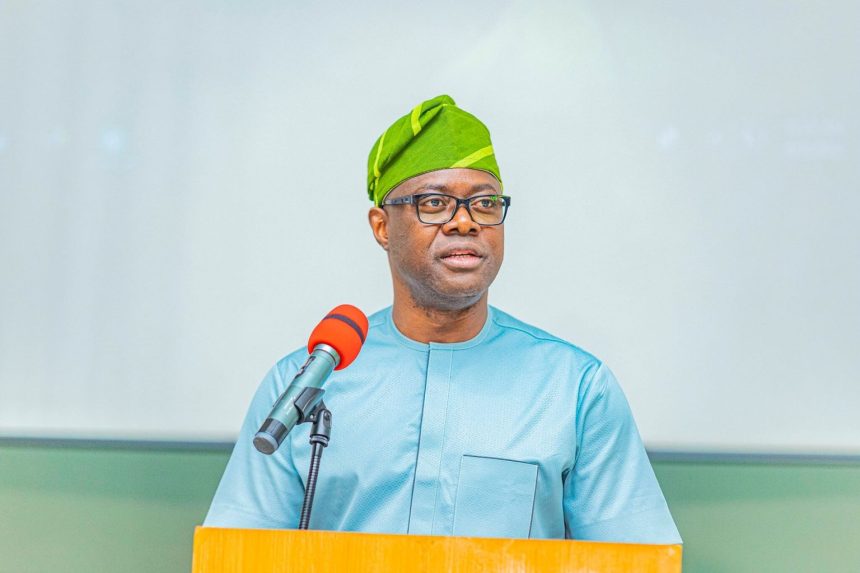
Oyo State Governor, Seyi Makinde, has dismissed speculation suggesting he may be considering a move to the All Progressives Congress (APC), amid recent defections by opposition governors to the ruling party.
Eko Hot Blog reports that Makinde addressed the rumours on Wednesday in Abuja while speaking at the public unveiling of Headlines and Soundbites: Media Moments that Defined an Administration, a book authored by former Minister of Information and Culture, Lai Mohammed.
EDITOR’S PICK
- Confusion of Police Tinted Glass Permit Enforcement
- Ibeju-Lekki Chairman Inaugurates Security Committee to Strengthen Community Safety
- Court Upholds NCPC, NAHCON Acts, Dismisses Constitutional Challenge
The governor stated unequivocally that he has no intention of joining the APC, stressing that political labels should not distract leaders from the broader task of nation-building.
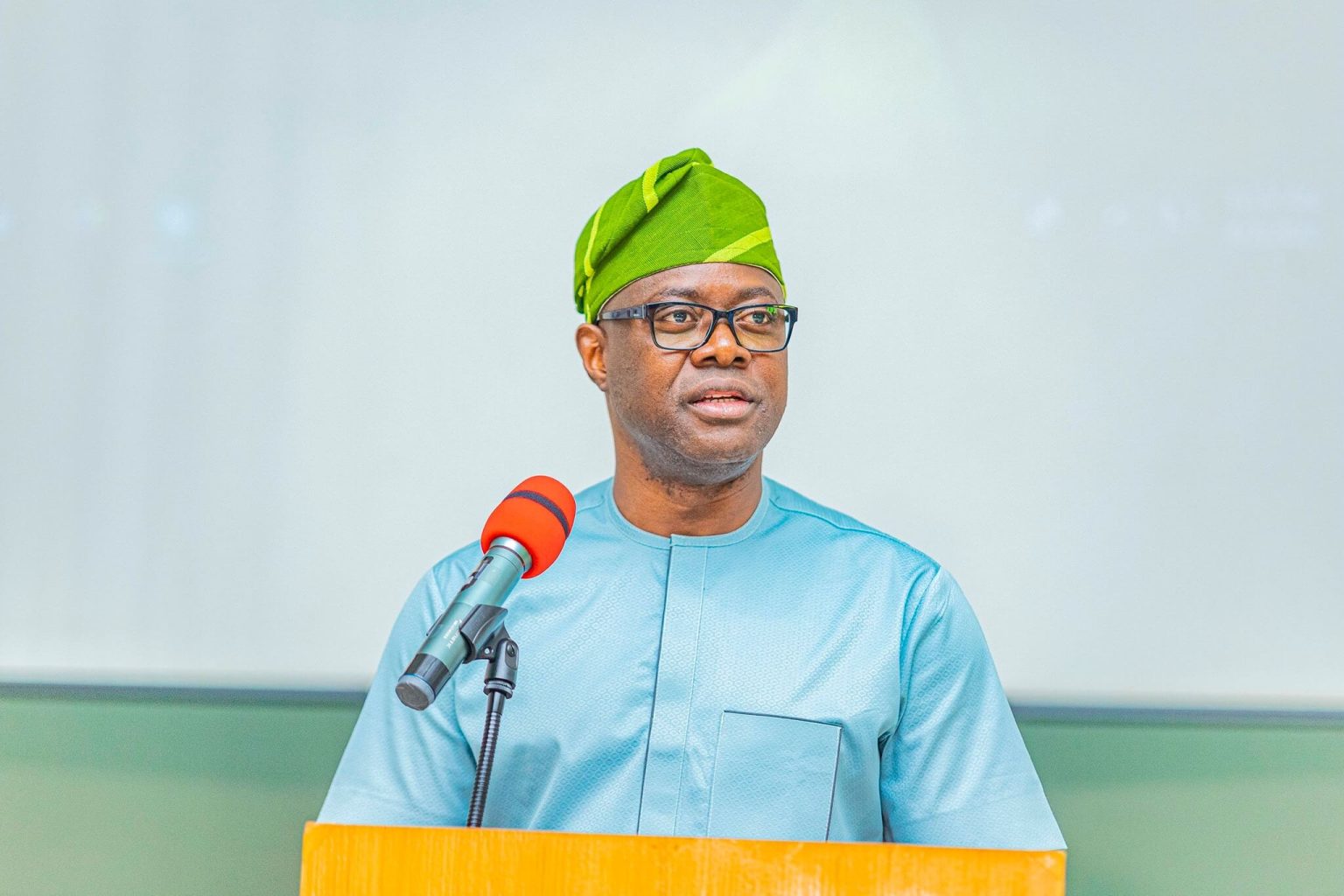
Makinde argued that Nigeria’s deepening political divisions are largely manufactured by the political class, rather than reflecting the genuine wishes of ordinary citizens.
According to him, most Nigerians desire peaceful coexistence but are often exploited along ethnic, religious and regional lines by leaders driven by personal ambition.
He warned against a winner-takes-all approach to governance, noting that such thinking promotes exclusion and weakens national unity.
The governor further called for consensus among the political elite, urging leaders to focus on governance reforms and present-day challenges instead of reopening old political fault lines.
Reflecting on his political journey, Makinde said leadership success is determined by divine timing, recalling that several prominent figures, including former President Muhammadu Buhari, endured repeated electoral defeats before eventually assuming office.
He added that while Nigeria’s early leaders grappled with post-war unity, today’s leaders must design systems that guarantee fairness, inclusion and long-term stability.
FURTHER READING