
- Sri Lanka has banned junk food and sugary snacks in schools
- The policy aims to reduce childhood obesity and related diseases
- Schools have been directed to serve healthier meals instead
Sri Lanka has begun enforcing a nationwide ban on the sale and distribution of fast food, sugary snacks and other unhealthy products in schools as part of efforts to combat rising obesity and lifestyle-related diseases among children.
The new policy, which took effect on Tuesday, follows guidelines issued by the Ministry of Education directing schools to remove foods high in sugar, salt and unhealthy fats from their menus, Eko Hot Blog gathered.
EDITOR’S PICK
- Federal Lawmaker Yaya Tongo Dies In Abuja Hospital
- Rep. Wale Raji Celebrates Alhaja Aduke Salimot Seriki on Birthday
- Nancy Isime Recalls Alex Ekubo’s Fearless Humor, Generosity at Late Actor’s Tribute
Public health inspectors have commenced monitoring compliance across schools as authorities seek to improve children’s eating habits.
The ban affects a wide range of popular foods and drinks, including burgers, pizzas, hot dogs, doughnuts, pastries, biscuits, ice cream, flavoured milk, energy drinks, deep-fried snacks and even condiments such as tomato sauce.
According to the education ministry, unhealthy diets among children are contributing to growing cases of non-communicable diseases, including diabetes, heart disease and cancer.
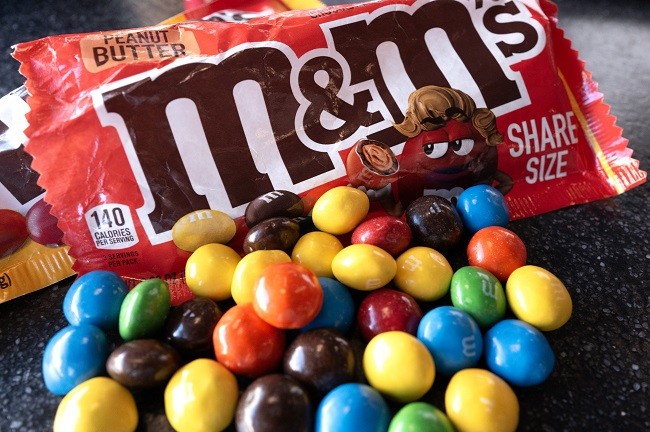
Although comprehensive national data on childhood diabetes and heart disease is unavailable, health officials say the number of affected children has continued to increase.
Government statistics show that as of 2024, about 12 per cent of children aged 13 to 17 were overweight, while three per cent were classified as obese.
The ministry has directed schools to promote healthier alternatives such as rice, fresh fruits, vegetables, fish, meat, eggs, fresh milk and natural fruit juices. It also encouraged beverages with little added sugar and distributed recipes using locally sourced ingredients.
In addition, schools have been prohibited from allowing companies that market unhealthy food products to sponsor school events.
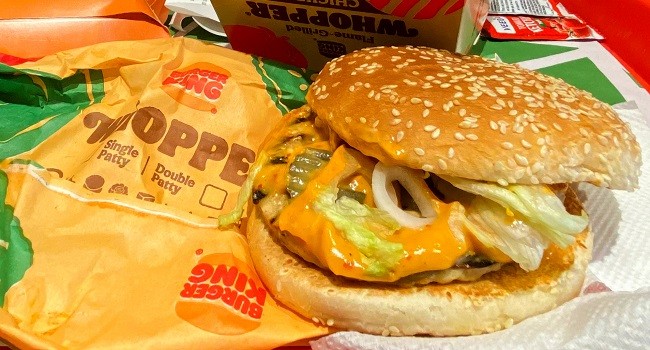
The initiative comes as Sri Lanka continues to battle both malnutrition and rising obesity among children. According to UNICEF, around 17 per cent of children under the age of five suffer from stunted growth due to poor nutrition.
Despite widespread poverty, with nearly a quarter of the country’s 22 million residents living below the poverty line in 2024, health authorities say unhealthy eating habits remain a growing concern among school-aged children.
FURTHER READING