
- Stakeholders Demand Tougher Action on Local Human Trafficking in Nigeria
- Says victims are trafficked daily from rural areas into cities and across borders for sexual exploitation
- Ikape stressed that tackling cross-border trafficking would be impossible without addressing the forms that thrive within communities
Stakeholders have renewed calls for stronger action against local human trafficking in Nigeria, warning that the crime is deeply rooted within families and communities yet receives far less attention than cross-border trafficking.
Eko Hot Blog reports that the call was made in Abuja during the screening of short films created by survivors under a MeCAHT project supported by the Austrian Embassy.
EDITOR’S PICK
- PENGASSAN Warns of Looming Oil Sector Brain Drain
- Gumi Calls Down Divine Judgment on Terror Sponsors
- Over 42,000 Youths Get Stipends as FG Launches First Phase of TVET Disbursements
The renewed concern aligns with recent remarks by the Director-General of the National Agency for the Prohibition of Trafficking in Persons (NAPTIP), Binta Adamu Bello, who said victims are trafficked daily from rural areas into cities and across borders for sexual exploitation, hazardous labour, and recruitment into terrorism and armed groups.
Austrian Ambassador to Nigeria, Peter Guschelbauer, said the initiative was purposely designed to place survivors at the forefront of anti-trafficking advocacy. He noted that Austria’s support is tied to the ongoing 16 Days of Activism Against Gender-Based Violence and its long collaboration with MeCAHT.
According to the envoy, the approach expands public understanding of trafficking by spotlighting internal exploitation that occurs in homes and neighbourhoods. He said the testimonies captured in the films reveal the often hidden reality of domestic trafficking, and the materials will be used in schools and communities to prevent future victimisation.
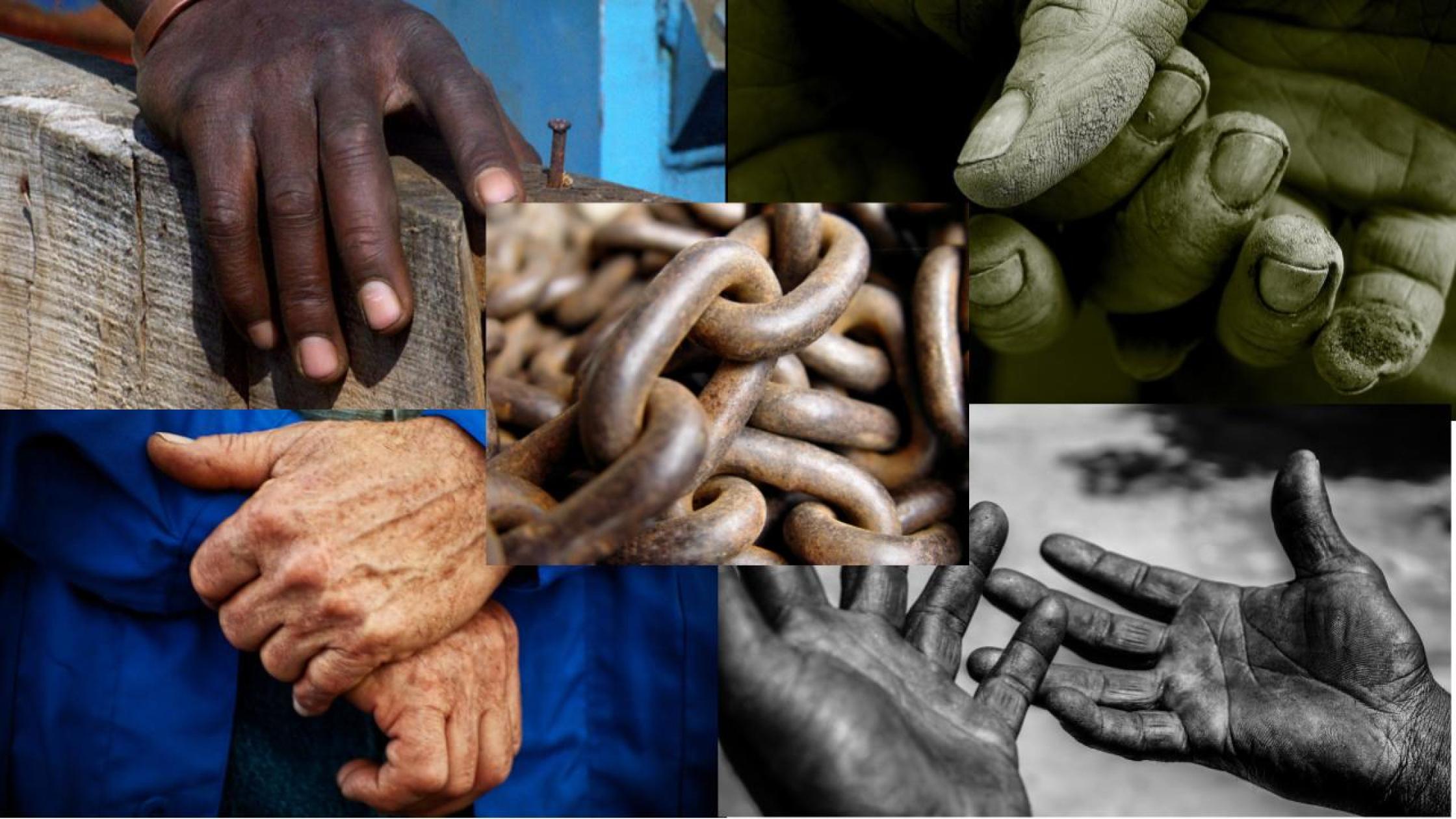
“From a European perspective, we often focus on transnational trafficking,” he said. “Here, we want to highlight local forms of exploitation that occur within families or community settings.”
Guschelbauer also noted Austria’s longstanding commitment to combating trafficking, citing the establishment of a national task force in 2004 and the annual EU Anti-Trafficking Day conference.
MeCAHT’s Executive Director, James Ikape, said the organisation was founded by Nigerians determined to address trafficking at its roots. He explained that the new project, Beyond Care: Supporting Survivors of Human Trafficking, equips survivors with digital storytelling skills to share their experiences and promote their small businesses.
According to him, while many survivors learn vocational skills in safe houses, digital media provides an additional avenue for healing and empowerment.
He added that the organisation trained survivors for three weeks, created awareness among 2,000 Abuja residents, and established anti-trafficking clubs in five schools. The next phase of the project will expand outreach in 2026.
Ikape stressed that tackling cross-border trafficking would be impossible without addressing the forms that thrive within communities. He said MeCAHT will scale up the initiative using the materials produced as long-term tools for education and prevention.
MeCAHT is a media-driven coalition working to curb human trafficking among vulnerable groups in Nigeria, South Africa and Europe.
FURTHER READING
- US Gives UNICEF $5m for North-West Malnutrition Fight
- LAMATA Extends Rail Hours for The Experience 2025
- Mr P Reveals Poverty Remains His Greatest Fear
Click here to watch video of the week