- Pressure on Starmer intensified after a junior minister resigned while urging him to announce a timetable for his departure
- Political analysts say removing a Labour prime minister is more complicated than within the Conservative Party
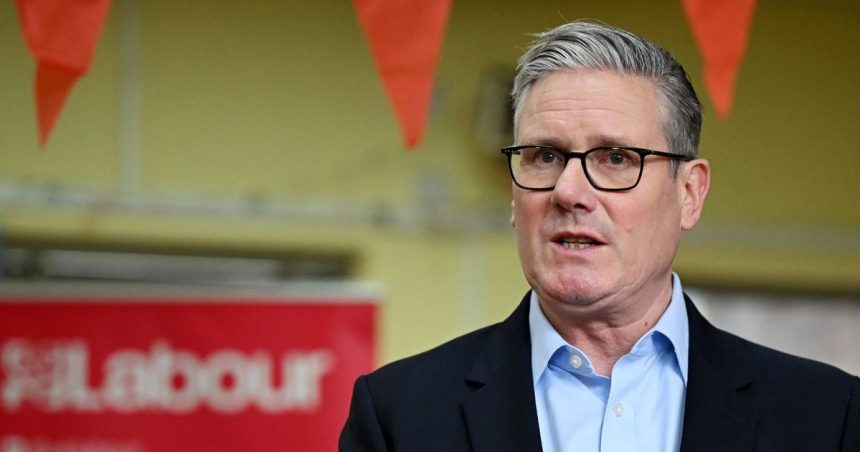
British Prime Minister Keir Starmer has dismissed mounting calls for his resignation, insisting he remains focused on governing despite growing unrest within the Labour Party following heavy losses in recent local elections.
Speaking during a cabinet meeting on Tuesday, Eko Hot Blog reports that Starmer acknowledged responsibility for the party’s poor electoral performance but stressed that no formal process had been initiated to challenge his leadership.
EDITOR’S PICK
- Fani-Kayode, Omokri Oppose Return Of Power To North Before 2031, Endorse Tinubu For 2027
- Putin defends Ukraine war amid NATO aggression claims
- Epe Stakeholders Unite in Massive Endorsement for Wale Raji, Tobun, Tinubu, Others
According to officials at Downing Street, the prime minister told ministers that recent political tensions had created instability with potential economic consequences for the country and households.
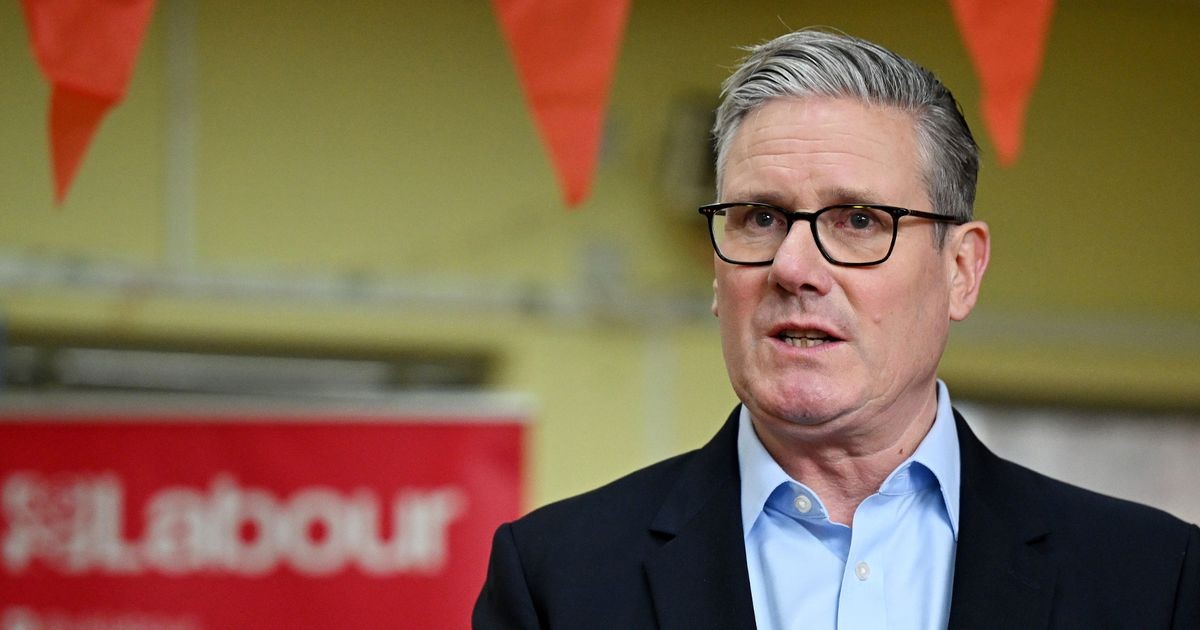
Starmer said the Labour Party already has established procedures for leadership challenges, noting that none had been activated. He added that the government’s priority should remain addressing national issues rather than internal political disputes.
Several senior ministers publicly backed the prime minister after the meeting. Pensions minister Pat McFadden stated that no cabinet member openly challenged Starmer during discussions.
However, some key figures believed to be dissatisfied with his leadership, including Health Secretary Wes Streeting and Home Secretary Shabana Mahmood, avoided speaking to reporters.
Pressure on Starmer intensified after a junior minister resigned while urging him to announce a timetable for his departure. More than 80 Labour lawmakers have now reportedly called on him to step aside to allow for an orderly leadership transition.
The political uncertainty has also unsettled financial markets, with Britain’s borrowing costs rising and the pound weakening amid concerns over possible instability in government.
Starmer came to power after leading Labour to a landslide victory in the 2024 general election, promising stability after years of political turbulence under the Conservative Party.
Since taking office, however, his administration has faced repeated controversies, policy reversals and internal disagreements, placing his leadership under increasing strain.
Political analysts say removing a Labour prime minister is more complicated than within the Conservative Party, as at least 81 lawmakers must unite behind a single alternative candidate to formally trigger a leadership contest.
Potential successors frequently mentioned include Wes Streeting, who is viewed by supporters as a stronger public communicator, Greater Manchester Mayor Andy Burnham, and former Deputy Prime Minister Angela Rayner.
Despite the growing rebellion, some Labour officials argue that the majority of the party’s lawmakers still want to avoid another period of political chaos.
FURTHER READING