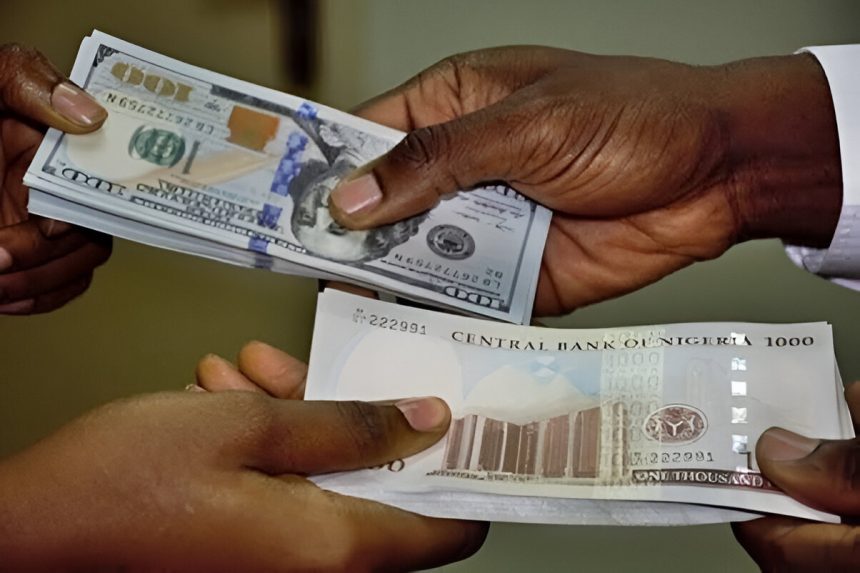
-
The Naira Paradox: Currency Gains, Citizens Lose.
-
Dollar savers, freelancers, and forex traders struggle with reduced earnings.
-
Stronger naira not reflected in local prices, fueling public frustration.
‘Naira converges at ₦1,455 as FX gap closes’.
The first days of October have seen the local currency extend its gains against the dollar, bringing relief to the foreign exchange market and sparking renewed confidence in government policies.
Yet, beneath the celebration of a stronger naira lies a complex reality for millions of Nigerians whose daily finances are directly tied to the dollar.
For decades, many Nigerians have viewed the dollar as the safe currency. Traders, expatriates, online freelancers, crypto investors, and import businesses routinely denominate their assets and liabilities in dollars. When the naira weakened, each dollar held was a hedge: profits, savings, remittances, everything stretched further.
Some even celebrated each naira slide, as it magnified the value of their dollar holdings, crypto gains or foreign contracts.
That habit shapes expectations. When the naira was sliding toward ₦1,800 per USD in 2024, those holding dollars felt richer.
But today, with the naira gaining, those same people wake to losses. A dollar savings balance now fetches fewer naira directly reducing their buying power in local currency terms.
Why does strong naira can feel like a loss?
EKO HOT BLOG gathered that A dollar account that once converted at ₦1,600 now at ₦1,455 produces a paper loss for the holder even if nothing changed in USD terms. Many Nigerians complain:
“The naira is stronger, but I don’t see bread, petrol, rent, school fees coming down.” Inflation, supply constraints, taxes, logistics all buffer local costs, muting the benefit.
Celebrating a currency recovery feels like admitting the past years of dollarization were mistakes. That’s harder for those who structured their lives around a falling naira. Some exporters or service providers who invoice in dollars now get squeezed.
Their dollar fees bring in fewer naira, yet their local costs haven’t adjusted accordingly.
So, do Nigerians really want a stronger naira?
The question isn’t black and white. A stable, stronger naira is good in macro: it signals confidence, lowers import costs, curbs inflation pressures, and supports real wages.
Economists warn, however, that letting the naira get too strong too fast can harm competitiveness, especially for Nigeria’s non-oil exports. As Chatham House put it: “To secure long-term growth, the government must resist the temptation to fight inflation by letting the naira strengthen excessively.”
Thus, many Nigerians want moderate strength with stability, not sudden swings.
What it means for everyday finances
-
Savings reset: If you have dollar accounts or crypto, your naira equivalent shrinks, forcing rethinking of asset allocation.
-
Debt traps: Loans denominated in naira may become cheaper in real terms but foreign suppliers paid in dollars will still demand their slice.
-
Hedging complexity: Those who tried to hedge naira risks may find their strategies reversed.
-
Social discontent: If people believe the gains aren’t shared (prices stay high, wages stagnant), political frustration might mount.
The naira-dollar relationship has long been volatile. As Quartz narrated, since 1986 Nigeria has suffered cycles of devaluation, monetary mismanagement, and speculative hoarding.
The 2023 currency crisis triggered by a cash shortage and forced note redesign still resonates in public memory. That trauma makes many Nigerians skeptical: “Is this gain real or temporary?”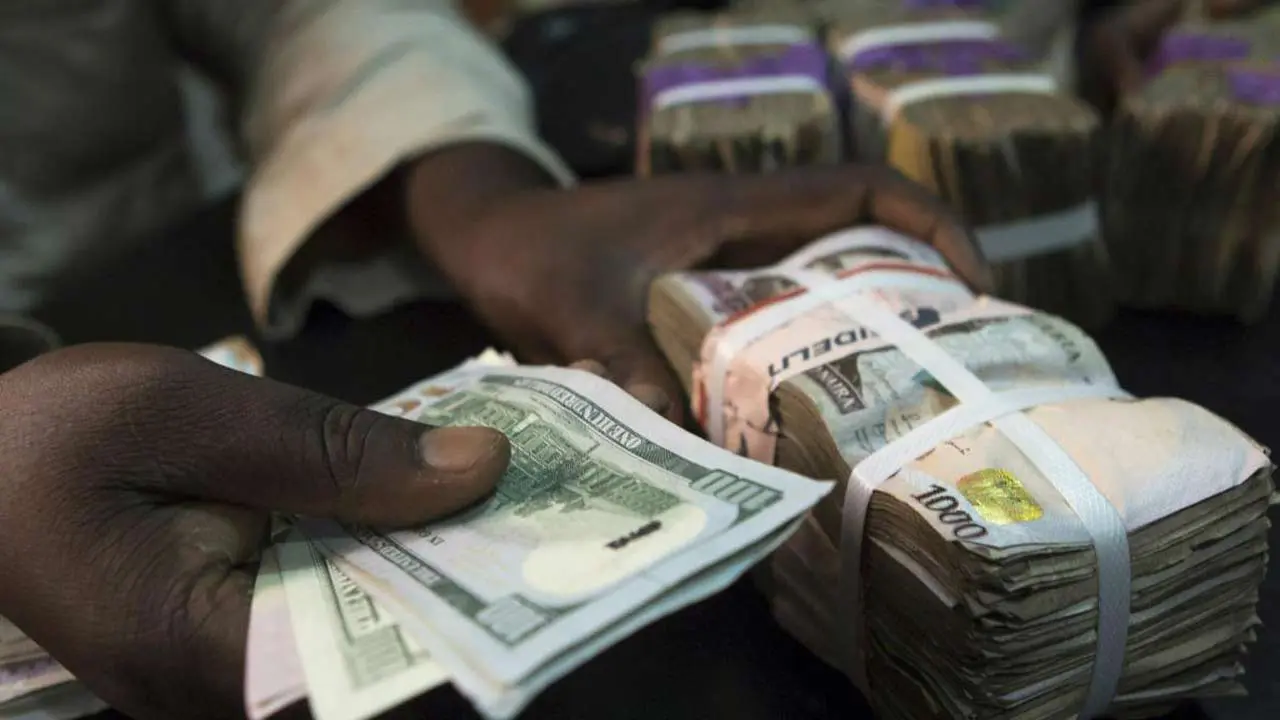
Looking ahead, sustainability will depend on three pillars: continued inflows (oil, remittances, foreign investment), prudent monetary policy, and real supply-side reforms so that domestic prices and wages can adjust. Otherwise, this rally could be headline juice rather than lived relief.