- Tinubu Rejects Procurement, Raw Materials Amendment Bills
- Cites Structural Errors
- Raises Concerns Over Legal Provisions
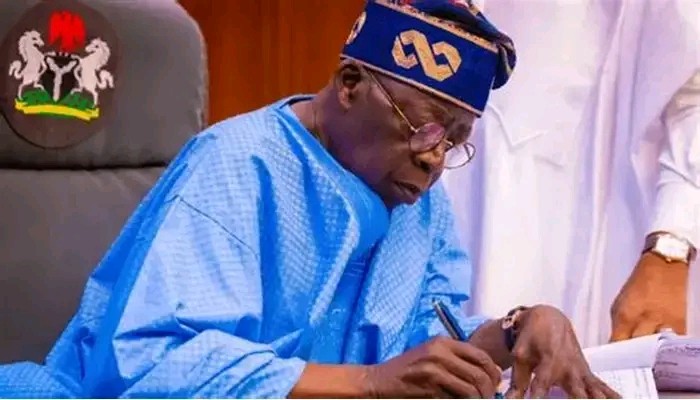
President Bola Tinubu has declined assent to the Chartered Institute of Purchasing and Supply Management of Nigeria (Establishment) Amendment Bill, 2026, and the Raw Materials Research and Development Council (Amendment) Bill, 2026, citing legal, structural and drafting defects.
Eko Hot Blog reports that the President conveyed his decision in two separate letters dated July 7, 2026, addressed to the Speaker of the House of Representatives, Tajudeen Abbas.
EDITOR’S PICK
- Tinubu To Deploy Emerging Technologies Against Insecurity
- Iya Alakara: How Tinubu Turned an Online Joke Into a Leadership Moment
- Army Making Tremendous Progress in Rescue of Abducted Oyo Pupils, Teachers – COAS
Withholding assent to the Chartered Institute of Purchasing and Supply Management of Nigeria (Establishment) Amendment Bill, Tinubu said the decision was taken in line with Section 58(4) of the 1999 Constitution (as amended).
According to the President, while most of the proposed amendments were commendable, the provisions contained in Clause 8, which sought to insert subclauses (10) to (15) into the principal Act, raised significant legal concerns.
Tinubu argued that the proposed provisions would empower the Institute to compel companies and organisations that are not under its regulatory authority to submit details of their procurement officers.
He also objected to a provision that would impose a daily fine of ₦2,000, with 10 per cent interest, on organisations that appoint non-registered members of the Institute as heads of procurement.
According to him, such a requirement would amount to compelling organisations to employ members of the Institute and would constitute an unreasonable restraint of trade.
The President further faulted provisions requiring organisations to notify the Institute whenever procurement heads are removed from office, saying the Institute lacks the statutory authority to interfere in the internal affairs of independent organisations.
He also rejected clauses empowering the Institute to initiate legal proceedings against non-members and establish compliance committees to inspect organisations, insisting that the body can only enforce its rules against registered members.

In a separate letter, Tinubu also declined assent to the Raw Materials Research and Development Council (Amendment) Bill, 2026, citing structural inconsistencies and drafting defects.
He noted that the Bill’s long title failed to reflect its core objective of promoting the development, protection and processing of Nigeria’s raw materials and supporting local manufacturing.
The President also identified drafting errors in Section 2 of the Bill, stating that it incorrectly referred to the “Objectives of the Council” instead of the “Objectives of the Bill.”
According to Tinubu, the section was drafted as though it outlined the functions of the Council rather than the legislative objectives of the amendment, making the provisions legally defective.
He maintained that the identified flaws would need to be corrected before the proposed legislation could receive presidential assent.
FURTHER READING
- Senate Moves To Hold South Africa Accountable Over Attacks On Nigerians
- Tinubu Orders Assessment of Flooding Along Lagos Coastal Corridor
- Alausa Unveils Nigeria’s First Manu-Tech University Innovation Pod at MOUAU
Click here to watch video of the week