- Trump claims Iran agreed to nuclear inspections
- Iran denies agreeing to the terms
- Both sides remain divided on key issues
U.S. President Donald Trump has stated that Iran agreed to allow unrestricted and indefinite nuclear inspections under a new framework agreement aimed at easing tensions between the two countries.
However, Iranian officials have rejected the claim, saying no such concession was made during ongoing negotiations, Eko Hot Blog gathered.
EDITOR’S PICK
- Federal Lawmaker Yaya Tongo Dies In Abuja Hospital
- Rep. Wale Raji Celebrates Alhaja Aduke Salimot Seriki on Birthday
- Nancy Isime Recalls Alex Ekubo’s Fearless Humor, Generosity at Late Actor’s Tribute
The disagreement highlights growing uncertainty over the fragile peace framework reached between Washington and Tehran last week, following initial talks held in Switzerland.
Both sides have also issued conflicting statements on key provisions of the deal, including the handling of frozen Iranian assets, maritime control in the Strait of Hormuz, and the status of parallel conflicts involving Israel and Lebanon.
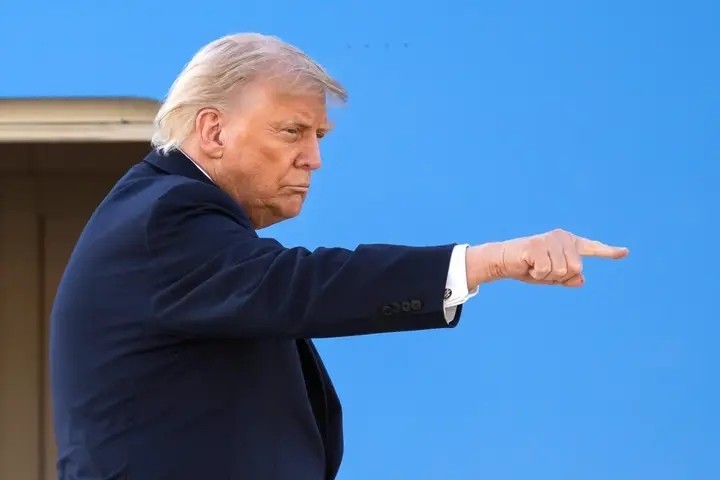
While Trump maintained that discussions were progressing positively, he reiterated at a political rally that his administration was making progress with Tehran. Iran, however, has insisted that discussions on nuclear inspections and related issues remain unresolved.
The framework agreement is intended to bring an end to hostilities and includes proposals such as sanctions relief, the unfreezing of Iranian assets abroad, and a reconstruction fund reportedly valued at $300 billion. It also outlines temporary arrangements to allow shipping access through the Strait of Hormuz, a vital global energy route.
Despite this, tensions persist over maritime control, with Iranian and Omani authorities stressing joint oversight of the waterway while U.S. officials insist Iran cannot impose additional fees or tolls.
The deal has also drawn political reactions in the United States, where lawmakers remain divided over the conflict. A recent Senate vote reflected growing concerns about U.S. involvement, even as the administration continues to promote the agreement as a step toward stability.
On the economic front, oil prices have eased following limited reopening of shipping routes, while international agencies continue efforts to evacuate thousands of stranded seafarers affected by earlier disruptions.
Key sticking points remain unresolved, particularly regarding nuclear oversight, sanctions relief, and regional security issues involving Israel and Hezbollah in Lebanon. Both Washington and Tehran continue to present differing interpretations of the agreement as negotiations proceed.
FURTHER READING