- Nutritionists warn cold meals increase food poisoning risk.
- Warm food improves digestion and reduces contamination.
- Cold rice may help diabetics if stored safely.
Nutrition experts have warned that regularly eating cold meals may increase the risk of food poisoning, especially when food is not properly stored or reheated.
EDITOR’S PICKS
- Health Workers Warn as Antivenom Gaps Undermine Snakebite Treatment
- Tinubu Approves ₦40bn Zero-Interest Loans for University Lecturers, Staff
- 5 Health Risks Men Face After Age 40
EKO HOT BLOG reports that in interviews Healthwise, public health and nutrition specialists explained that meals are safest and best digested when eaten warm, ideally between 40 and 60 degrees Celsius. They noted that while cold food is not automatically harmful, poor hygiene and unstable storage conditions raise serious health concerns.
Here are 10 key health facts to know:
1. Cold Food Increases Bacterial Growth Risk
A public health and nutrition specialist with FHI 360, James Oloyede, said food left to get cold is more exposed to contamination and bacterial infestation.
2. Warm Meals Lower Food Poisoning Risk
Experts say eating food while still hot reduces exposure to harmful microorganisms.
3. Poor Power Supply Worsens the Problem
In many Nigerian homes, large meals cooked in the morning are left unrefrigerated due to unstable electricity, increasing contamination risk.
4. Ideal Food Temperature Is 40 to 60 Degrees Celsius
Nutritionists recommend meals be eaten warm, close to body temperature, to enhance flavour and safety.
5. Cold Food Can Slow Digestion
Chief Dietitian Olufunmilola Ogunmiluyi explained that the body must first warm cold food before digestion, which may cause bloating or discomfort.
6. Very Cold Meals May Trigger Discomfort
Cold leftovers can cause stomach cramps, gas, or mild pain, especially in people with sensitive stomachs.
7. Food Hygiene Matters More Than Temperature Alone
Registered dietitian Charles Oguikpe, a member of the Nutrition Society of Nigeria, said cold food is generally safe if properly cooked and stored.
8. Cold Rice May Help Diabetics
Oloyede noted that resistant starch in cold rice and potatoes may slow glucose release, lowering the glycemic index for people with diabetes.
9. Reheating Kills Harmful Microorganisms
Experts advise reheating refrigerated meals properly to destroy bacteria before consumption.
10. Cold Food May Irritate the Throat
Very cold meals and drinks can worsen cough, trigger headaches, or irritate the respiratory tract in sensitive individuals.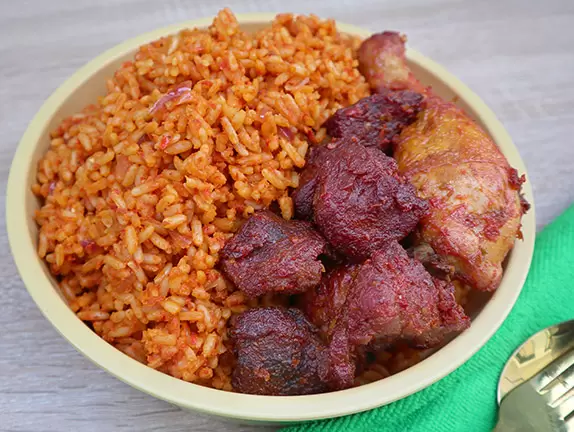
Nutritionists emphasised balance. Food should not be eaten too hot to cause burns, but should be warm enough to ensure safety and proper digestion.
FURTHER READING
- Electronic Transmission: ‘Nigerians Always Complain’ – Senate Knocks Protesters
- FG Suspends NAFDAC Enforcement On Sachet Alcohol Ban
- Alaafin Seeks Supreme Court Halt On Ago-Oja Chieftaincy Elevation