- President Tinubu is pushing for a new Africa-led agency to provide fairer credit ratings.
- The President noted that biased assessments cost the continent $75 billion annually.
- He argued that current global agencies consistently misjudge African economic risks.
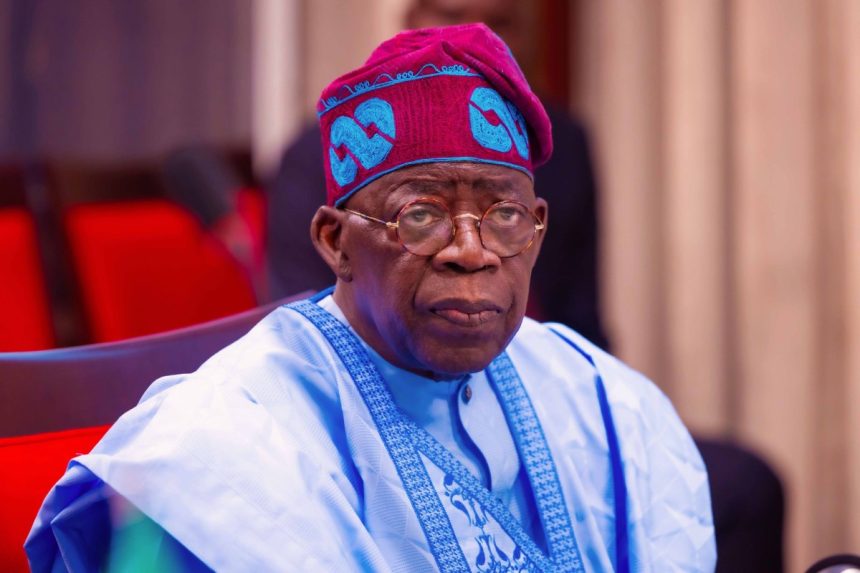
President Bola Tinubu has intensified his call for a reform of the global financial system, arguing that African nations are being unfairly penalized by international credit rating agencies.
Eko Hot Blog reports that the President is advocating for the establishment of an independent African credit rating agency to provide a more accurate and “on-the-ground” reflection of the continent’s economies.
EDITOR’S PICK
- Fani-Kayode Accuses El-Rufai of National Security Threat
- FAAN Bans Cash Transactions Across Operations from February 29
- Senate Retains Manual Backup in Electoral Act Amendment After Heated Vote
In a push for economic sovereignty, the President noted that the so-called “Africa premium”, the inflated cost of borrowings, is a direct result of opaque and biased risk assessments.
Writing on the need for a “necessary corrective,” Tinubu cited a United Nations Development Programme (UNDP) report which revealed that “idiosyncrasies” in credit ratings cost African countries roughly $75 billion a year in excess interest and lost lending.
He pointed out that while the IMF projects Africa to be the world’s fastest-growing region this year, only three countries on the continent currently hold investment-grade ratings from the “Big Three” agencies: Fitch, Moody’s, and S&P Global.
The President emphasized that an African-led agency would not seek to “mark its own homework” but would instead provide timely, data-driven assessments that global agencies often miss.
He stated that reliance on external discretion often means global market cycles overshadow individual states’ actual economic fundamentals.
By capturing reform momentum in real-time, the proposed agency aims to lower borrowing costs and provide a level playing field for African nations seeking international capital.
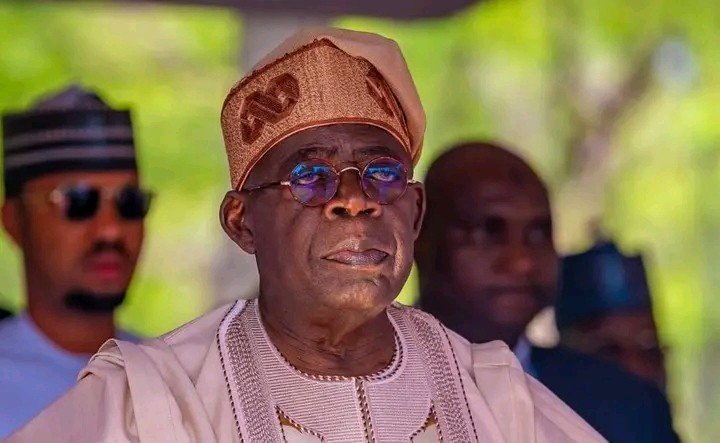
Tinubu’s administration remains committed to these financial reforms as part of the “Renewed Hope” agenda, aimed at positioning Africa as a global growth engine.
He warned that without affordable access to credit, the continent’s demographic boom could become a missed opportunity rather than a driver of global prosperity.
The proposal has already gained significant traction among other African Union heads of state who are facing similar financial hurdles.
FURTHER READING