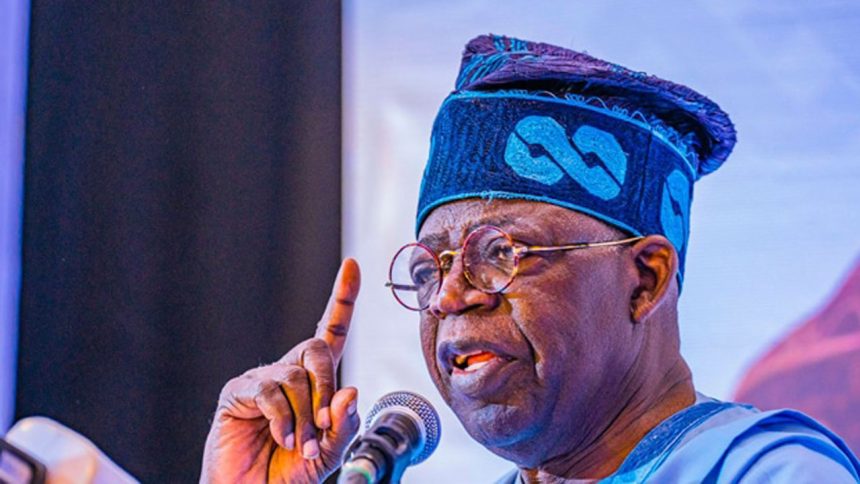
- Tinubu Declares Ogun Nigeria’s Industrial Powerhouse
- Commends Coleman for Boosting Nigeria’s Digital Economy with Fibre Optic Expansion
- Coleman Expansion to Drive 5G Connectivity, Job Creation, and Economic Growth
President Bola Ahmed Tinubu has reaffirmed Ogun State’s status as Nigeria’s foremost industrial hub, describing it as the most dynamic manufacturing and innovation belt powering the country’s economic transformation.
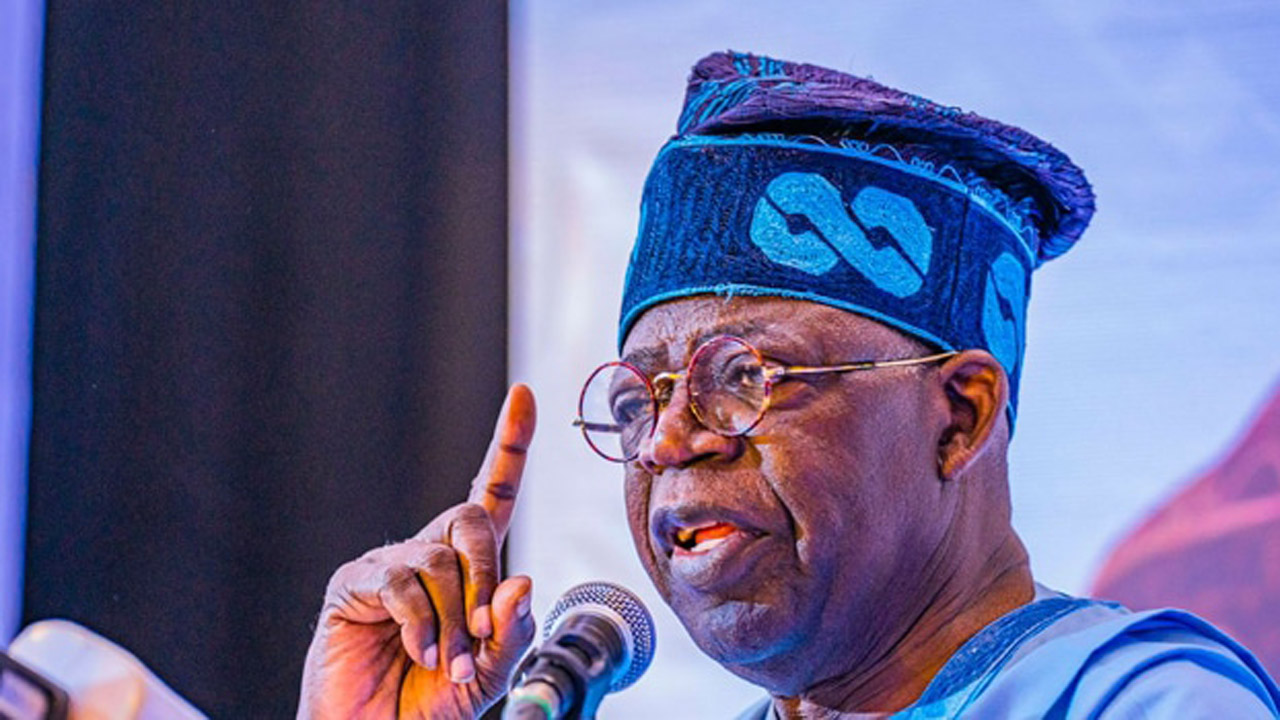
Eko Hot Blog reports that while speaking on Wednesday at the commissioning of Phase Two of the Fibre Optic Factory and the 50th anniversary celebration of Coleman Wires and Cables, Tinubu praised the Ogun State Government for creating an enabling environment for industrial growth and foreign investment.
EDITOR’S PICK
- Tinubu Secures Lawmakers’ Nod for $2.35bn Loan
- Wole Soyinka and Trump’s America: From Torn Green Card to Revoked Visa
- Disciples of Jagaban Defend Tinubu, Say Atiku, Obi Lack Northern Influence
Represented by the Minister of Industry, Trade and Investment, Dr. Jumoke Oduwole, the President commended Coleman Technical Industries Limited for its strategic role in advancing Nigeria’s digital infrastructure, noting that the company’s new factory phase would deepen broadband penetration and reduce internet costs nationwide.
“This factory expansion is not just another industrial milestone, it represents a major boost to Nigeria’s digital economy. Every kilometre of fibre produced here strengthens our digital backbone, supports 5G connectivity, and powers the future of e-commerce, education, and innovation,” the President stated.
Tinubu emphasised that local fibre production would enhance Nigeria’s technology sovereignty, reduce dependence on imports, and foster sustainable job creation and industrial resilience.
“This expansion is a win for local content development, clean energy, and economic diversification. Modern cable manufacturing supports backward integration, saves foreign exchange, and empowers local talent,” he added.
Ogun State Governor, Prince Dapo Abiodun, announced plans to lay over 3,000 kilometres of fibre optic cables across the state to expand digital infrastructure and accelerate access to broadband services.
He said the Coleman Fibre Optic Factory marks a turning point in Nigeria’s industrial journey, helping to bridge the nation’s digital divide and stimulate opportunities in ICT, logistics, and manufacturing.
“By producing fibre optics locally, we are reducing dependence on imports, creating thousands of jobs, and boosting industrial output that drives GDP growth,” Abiodun noted.
The Minister of Communications, Innovation and Digital Economy, Dr. Bosun Tijani, revealed that the Federal Government, in partnership with the World Bank, plans to invest in 90,000 kilometres of fibre network across the country to connect rural and urban communities.
“The World Bank has approved a $500 million facility, the largest of its kind in Nigeria to expand our fibre infrastructure. Working with Coleman and its American partners, we will train 5,000 young Nigerians in fibre installation and deployment,” Tijani disclosed.
Coleman’s Managing Director and CEO, Mr. George Onafowokan, highlighted the company’s growth from a local cable manufacturer to a leading producer of fibre optics and industrial conductors across Africa.
With a combined annual capacity of 12 million fibre counts across its Sagamu and Arepo facilities, Onafowokan said Coleman is strategically positioned to supply fibre needs for the entire sub-Saharan region.
“We are working towards becoming a ₦15 trillion ($10 billion) revenue enterprise in the near future,” he affirmed.
FURTHER READING
- FG Outlines Benefits of Nigeria’s Exit from FATF Gray List
- Sean ‘Diddy’ Combs to Leave Prison in May 2028
- Sanwo-Olu Disburses ₦2.7bn to 10,000 Lagos Residents
Click here to watch video of the week