- The United States and Japan have executed their first coordinated currency market intervention in 28 years to support the yen after it plummeted to a four-decade low.
- Following the joint yen-buying operations, the Japanese currency surged sharply from nearly 164 per dollar to touch an intraday high of 155.23, marking its strongest level since early May.
- Leaders from both nations, including US President Donald Trump and Japanese Finance Minister Satsuki Katayama, confirmed the market action and signaled a readiness to conduct further joint interventions if volatility persists.
The United States and Japan have taken rare, coordinated market action to prop up the Japanese yen following its slide to a 40-year low against the US dollar.
Eko Hot Blog reports that the joint intervention, the first bilateral yen-buying operation between Washington and Tokyo since 1998, was launched to curb extreme volatility and stabilize international currency markets.
EDITOR’S PICK
- Tinubu Approves Army Expansion, Recruitment of 28,000 Personnel
- Aregbesola Claims Record as First Nigerian Governor to Serve Eight Years Without Owning a House
- Ikosi-Ejinrin LCDA Commissions Fully Equipped NSCDC Divisional Headquarters, Donates Patrol Vehicle and Motorcycle to Boost Security
The yen’s protracted weakness has been driven by widening interest rate differentials between the US Federal Reserve and the Bank of Japan, alongside concerns over rising national debt under Prime Minister Sanae Takaichi.
While a low exchange rate benefits major Japanese exporters, it has severely inflated import costs for critical resources like crude oil, straining domestic households.
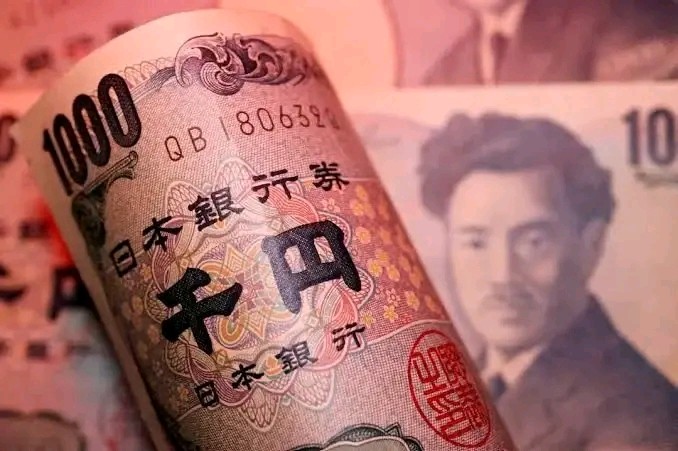
Following the joint operation, the yen rebounded strongly from a low of 163.99 per dollar to trade near 155.
Confirming the operation, US President Donald Trump characterized the move as a gesture of friendship and a strategic effort to protect global economic stability.
US Treasury Secretary Scott Bessent and Japanese Finance Minister Satsuki Katayama both reaffirmed that financial authorities remain in close communication and will not hesitate to enter the market again if disorderly trading movements continue.
FURTHER READING