- Stakeholders tasked with developing actionable strategies for livestock modernization.
- Legislative reforms underway to strengthen value chains and attract private investment.
- Council aims to move Nigeria from import-dependence to livestock self-sufficiency.
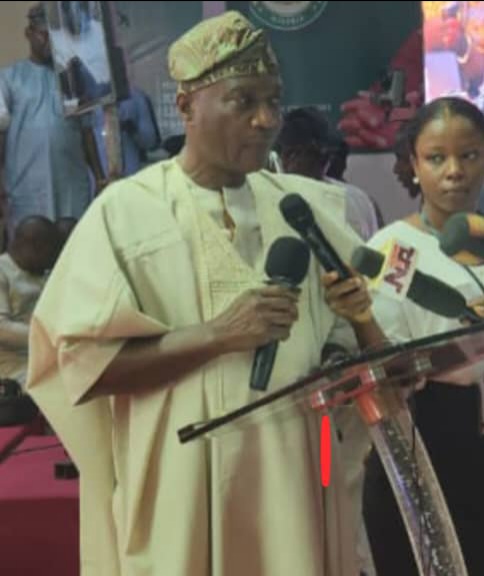
Nigeria’s longstanding quest to strengthen food security and revive its livestock industry took center stage in Yola, Adamawa State, as Rep. Tasir Olawale Raji, Chairman of the House Committee on Livestock Development, set a forward-looking agenda at the maiden meeting of the National Council on Livestock Development.
Eko Hot Blog reports that Addressing federal officials, experts, and private-sector operators, Raji described the meeting as a major step toward correcting decades of structural gaps in the sector.
EDITOR’S PICK
- Gana Warns Kidnappers Using Students as Shields
- Senator Katung Explains Defection to APC
- Immaculate Conception Catholic Church, Ibonwon, Celebrates Christ the King Feast
He said the gathering marked “a defining opportunity to coordinate our ideas, integrate our strengths, and rebuild a livestock sector that truly serves Nigeria.”
The meeting, themed “Livestock Sector Rebirth: Accelerating Renewed Hope,” underscored the urgency of repositioning the livestock industry as a pillar of economic diversification, job creation, and national stability.
Raji highlighted the paradox of Nigeria’s large livestock population,which includes 58 million cattle, 124 million goats and over half a billion poultry,yet persistent shortages in national supply.
He lamented that heavy reliance on imports continues to drain the nation’s foreign exchange, despite local potential.
“These imports represent resources that Nigeria cannot afford to continue exporting,” he said. “We must begin to produce more of what we consume.”
He noted that Nigeria imports about 65% of its milk needs even though demand has surged to 1.7 million metric tonnes annually.
Nutritional gaps, he said, remain wide, with per-capita consumption of milk, meat, and eggs still far below global standards.
Raji emphasized that one of the council’s core tasks is to set a clear direction for transforming livestock production from largely subsistence systems to commercially competitive operations.
He reiterated President Bola Ahmed Tinubu’s charge to steer Nigeria toward self-sufficiency.
“The question before us is simple,” he said. “How do we change the narrative and unlock the full potential of this sector for national growth?”
He disclosed that the House of Representatives is already developing legislative frameworks to address systemic challenges, support private investment, and strengthen institutions driving livestock development.
Raji added that the National Assembly will continue to exercise strong oversight to ensure accountability and strategic implementation.
The lawmaker further pledged collaboration with federal agencies, state governments, research bodies, and development partners to modernize production systems, improve animal health, promote value addition, and build viable markets for livestock producers.
Despite current gaps, Raji expressed optimism that coordinated action would significantly boost Nigeria’s livestock output.
“A revitalized livestock sector is not just about food security,” he said. “It is about jobs, peacebuilding, and expanding our economic frontiers.”
He concluded by commending the commitment of stakeholders and expressed confidence that the council’s resolutions would set a new benchmark for growth and innovation in Nigeria’s livestock landscape.
FURTHER READING
- Jess Martinez Breaks Record For World’s Largest Afro
- Lekki LCDA holds 2026 budget stakeholders’ forum, prioritizes inclusive development
- Ibeju-Lekki launches free electronic birth registration across PHC centres
Click here to watch video of the week