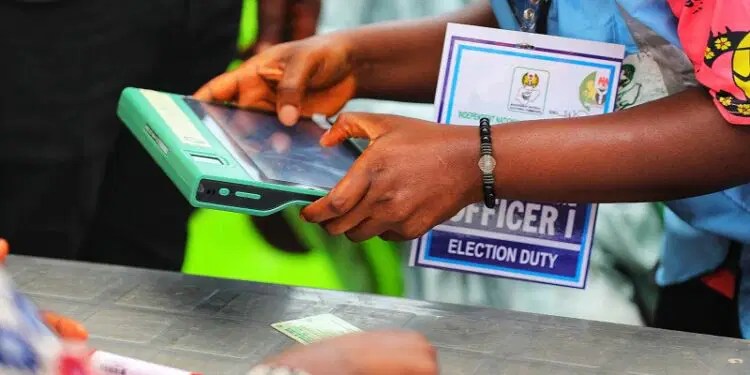
The House of Representatives has approved a mechanism mandating the real-time electronic transmission of election results, adopting the proposal during the clause-by-clause consideration of amendments to the Electoral Act 2022.
If it survives the legislative process and becomes law, the measure could significantly reshape Nigeria’s electoral landscape ahead of the 2027 general elections, particularly in the areas of transparency and public trust.
EDITOR’S PICKS
Under the approved clause, presiding officers will be required to electronically transmit results from each polling unit to the Independent National Electoral Commission’s (INEC) Result Viewing (IReV) portal in real time, after the prescribed result form EC8A has been signed and stamped and, where available, countersigned by party agents. This provision goes beyond the existing law, which does not compel INEC to transmit results electronically or in real time, leaving the process largely to administrative discretion.
The amendment directly addresses one of the most contentious issues from recent elections: the gap between voting at polling units and the visibility of results to the public. During the last general election, INEC had promised real-time transmission of results to the IReV portal, presenting it as a key pillar of its technology-driven reforms.
However, prolonged delays and periods of inactivity on the portal after voting had concluded in several polling units fuelled suspicion, misinformation, and allegations of manipulation. For many Nigerians, that experience weakened confidence not only in the technology but in the broader electoral process.
Making electronic transmission mandatory alters that dynamic.
By embedding the requirement in law, the amendment reduces ambiguity and limits discretionary implementation. Real-time publication of polling unit results allows citizens, political parties, observers, and the media to independently track outcomes as they emerge, making it harder to alter figures during collation. This immediacy strengthens transparency by ensuring that what voters see at their polling units aligns with what appears on the national results platform.
The trust implications are equally significant. Elections in Nigeria are often followed by legal disputes and public protests rooted in doubts about result integrity. A legally enforced, real-time transmission process can help close the credibility gap that emerges between election day and final declarations. While technology alone cannot eliminate fraud or malpractice, it raises the cost of manipulation and provides verifiable data that can be audited and challenged where discrepancies arise. Over time, consistent compliance could rebuild public confidence in INEC’s ability to conduct credible elections.
The development also represents a notable win for civil society organisations. For years, CSOs have advocated for mandatory electronic transmission, arguing that transparency should not depend on policy promises or administrative goodwill.
Their position gained urgency after the shortcomings of the last general election, when delayed uploads to the IReV portal undermined public faith. The House’s decision signals that those advocacy efforts have translated into legislative action, reinforcing the role of civil society in shaping electoral reforms.
However, the impact on 2027 will ultimately depend on implementation. Legal backing must be matched with adequate infrastructure, training of presiding officers, and contingency planning for connectivity challenges, particularly in rural areas. Failure to address these practical concerns could reintroduce disputes, even under a mandatory framework.
FURTHER READING
Still, by seeking to hard-wire real-time electronic transmission into the Electoral Act, lawmakers have taken a decisive step toward a more open and accountable electoral system.
Philip Ibitoye is a Special Correspondent with EKO HOT BLOG. Click here to find daily analysis and critical insight on trending issues in Lagos and other parts of Nigeria.
Click here to watch the video of the week below: