- However, the Ugandan government has not issued a formal public statement on the decision
- Museveni, who has ruled Uganda since 1986, is seeking to extend his rule to nearly 40 years
- The latest internet suspension has raised fresh concerns among civil society groups and observers about transparency
Ugandan authorities have ordered a nationwide internet shutdown ahead of the country’s general elections, scheduled for Thursday, as President Yoweri Museveni seeks to extend his decades-long grip on power.
Eko Hot Blog reports that the directive was issued on Tuesday by the Uganda Communications Commission (UCC), which instructed internet service providers to suspend access, citing concerns over misinformation, disinformation, electoral fraud and the risk of online incitement that could threaten public confidence and national security during the election period.
EDITOR’S PICK
- Dollar to Naira Exchange Rate Tuesday, 13 January 2026
- Lagos Assembly Approves ₦4.44 Trillion Budget for 2026
- NANS Mobilises Nationwide Protest Over Tax Reform Law
In a letter to service providers, later verified by government officials, the UCC said the blackout was necessary to manage online threats linked to the polls.
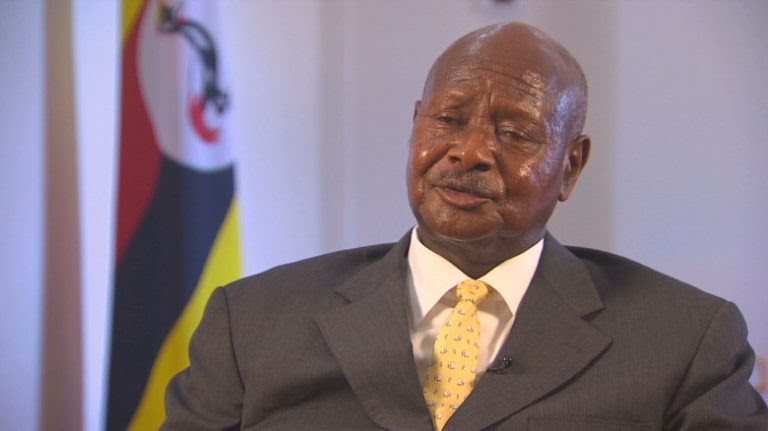
However, the Ugandan government has not issued a formal public statement on the decision, with officials reportedly indicating that authorities did not want to openly “own” the shutdown.
The suspension was scheduled to take effect from 6:00 pm local time and would remain in force until further notice, according to the commission. Essential government services were exempted from the restriction.
The move has revived memories of the 2021 elections, when Uganda imposed a similar internet blackout during a highly contested vote that drew widespread allegations of rigging and state violence against the opposition, led by singer-turned-politician Bobi Wine, who is again challenging Museveni in the current election.
The shutdown also contradicts earlier assurances from the government. Just days ago, authorities had dismissed speculation about an internet ban, stating in a January 5 post on X that claims of a planned shutdown were “false, misleading, and intended to cause unnecessary fear and tension among the public.”
Museveni, who has ruled Uganda since 1986, is seeking to extend his rule to nearly 40 years, as critics accuse his administration of tightening control over civic space and suppressing dissent during election periods.
The latest internet suspension has raised fresh concerns among civil society groups and observers about transparency, freedom of expression and the overall credibility of the electoral process in Uganda.
FURTHER READING