-
239 First-Class Lecturers Resign from UNILAG in seven years over poor pay.
-
Former VC Ogundipe blamed low wages, poor conditions, and underfunding.
-
He urged innovative funding models to save Nigeria’s higher education sector.
No fewer than 239 first-class graduates employed as lecturers at the University of Lagos (UNILAG) have resigned within seven years, citing poor pay and harsh working conditions as key reasons for their exit.
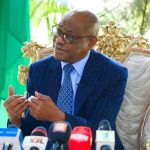
The immediate past Vice-Chancellor of UNILAG, Prof. Oluwatoyin Ogundipe, made this revelation on Tuesday while delivering a lecture at The PUNCH Place, Lagos-Ibadan Expressway.
Ogundipe disclosed that between 2015 and 2022, the university recruited 256 first-class graduates as lecturers, but by October 2023, only 17 remained in service.
“At UNILAG, we decided that those with first-class honours should be employed. What is remaining is not up to 10 per cent. All of them have gone,” he said.
He explained that in 2015, the institution employed 86 first-class graduates; in 2016, 82 were engaged; and between 2017 and 2022, another 88 were recruited. However, the majority have since left, with many seeking better opportunities abroad.
Poor Conditions Drive Exodus
Ogundipe attributed the mass resignations to low remuneration, poor welfare, and declining working conditions that have left lecturers demoralised.
“Many of our colleagues, especially the young ones, are tired. By the time you get home, there is no light, and the Federal Government is saying they are giving us ₦10m to access as loans. Can I use ₦10m to build a security post? You can see how our lives have been devalued,” he lamented.
He further warned that unless urgent reforms are implemented, Nigerian universities could face a shortage of qualified lecturers, while unqualified candidates flood postgraduate programmes.
Ogundipe criticised Nigeria’s persistent underfunding of education, noting that budgetary allocations to the sector have remained between 4.5 and 7.5 per cent in recent years, far below UNESCO’s recommended 15–26 per cent.
He called for innovative funding approaches, including public-private partnerships, alumni endowments, philanthropy, education bonds, and diaspora-targeted investments, to rescue Nigeria’s struggling tertiary education system.
“The private sector should see education support not just as social responsibility but as enlightened self-interest in building the workforce and markets of tomorrow,” he said.
Now serving as Pro-Chancellor of Redeemer’s University, Ogundipe urged government, civil society, and international agencies to work together in ensuring sustainable education financing.
“Above all, let us see education as the most sacred trust we must pass to our children,” he concluded.
FURTHER READING
- NRC Suspends Abuja Kaduna Train Operations Indefinitely After Derailment
- Two Ondo PDP Lawmakers Defect to APC
- Tinubu Pledges Stable Environment for Local, Foreign Investors