- Electric Vehicles in Nigeria?
Nigeria is stepping into a new era as the government approves over N151.9 billion to kickstart electric transport in the North-East. But while this bold move promises cleaner air and lower transport costs, many Nigerians are asking: is our country really ready for this change?
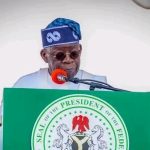
Under President Tinubu’s watch, contracts worth nearly $100 million have been signed to supply ten 17-seater electric buses and thousands of electric tricycles. Funded by the North East Development Commission, this initiative is meant to cut carbon emissions and ease the burden of soaring fuel prices.
EDITOR’S PICKS
- 7 Fruits You Should Not Eat On Empty Stomach
- Dr. Alausa Champions Innovation and Collaboration in Education
- Ondo Doctor Dies of Lassa Fever After Returning from UK
For many of us tired of rising petrol costs, this could be a breath of fresh air.
It’s a signal that our leaders want Nigeria to join the global clean energy revolution.
Yet, while the headlines promise a bright, green future, everyday Nigerians know the challenges are real. Our power grid is often unreliable, and charging stations are few and far between. Many people worry about whether there will be enough electricity to keep these new vehicles running smoothly. With our economy so deeply tied to oil, shifting gears to electric might unsettle the jobs and revenue many depend on.
The Human Side of Change
For ordinary Nigerians, the idea of trading in petrol-powered vehicles for electric ones isn’t just about technology—it’s about survival and progress. Imagine no more long waits at petrol stations, fewer engine troubles, and cleaner air in our cities.
Yet, there’s also a feeling of uncertainty.
How will this transition affect our local businesses, our livelihoods, and the familiar rhythm of our daily lives? Many wonder if the government’s dream can match the harsh realities of our streets.
There is hope, though. This initiative could spur local innovation, create new jobs in EV maintenance and manufacturing, and reduce our over-reliance on imported fuels. It’s a chance for Nigeria to show that we can adapt and lead, turning our abundant natural resources and growing tech talents into real benefits for our people.
But to truly succeed, investments in stable power, widespread charging stations, and skill training are a must.

Nigeria’s journey into electric mobility is filled with both promise and pitfalls. It’s an exciting, bold move that could transform how we travel and breathe, yet it must overcome significant hurdles that hit close to home. For this initiative to become a reality that touches everyday lives, our leaders and citizens alike must work together to build the infrastructure and skills needed for a greener future.
Only time will tell if this bold leap will turn into a sustainable reality for Nigerians—or if it will remain just another hopeful promise.
FURTHER READING
- Man Murders Wife, Hides in Ceiling to Evade Arrest
- Yellow Aboki, Close Ally of Late Bandit Kingpin Bamamu, Eliminated in Zamfara
- ‘We Inherited a Mess’ – Ratcliffe Criticizes Man United Players
Watch Our Video Of The Week