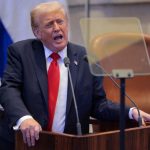
- Trump’s $9.4bn Foreign Aid Cuts Approved By U.S. Senate
- NPR, PBS, and foreign humanitarian programmes affected
- House decision expected by July 18, finalising the legislation
By Grateful Ogunjebe
The United States Senate has passed a bill backing former President Donald Trump’s request to cancel $9.4 billion in federal spending. The move targets foreign aid, as well as funding for NPR, PBS and other government-backed initiatives.
EDITOR’S PICKS
- With N1.94trn Consumed in 2024, Is Electricity Subsidy Sustainable?
- Africa Holds 65% of World’s HIV Cases — WHO
- Buhari Did More for Cows Than Nigerians – Omatseye
EKO HOT BLOG reports that the legislation passed narrowly on Wednesday night, July 16, with a 51–48 vote. The House of Representatives is expected to give final approval by Thursday, July 18, after which Trump is likely to sign it into law.
The proposal was first introduced in June by House Speaker Mike Johnson, who described the targeted spending as unnecessary and unproductive. He argued that American taxpayers deserve a budget that prioritises domestic needs.
The bill specifically targets funding for international programmes, soft diplomacy efforts, and public broadcasters like NPR and PBS. Trump has long accused them of spreading “fake news” and wasting public funds.
In May, Trump issued an executive order halting all federal support for NPR and PBS. He claimed the outlets showed political bias and failed to uphold journalistic neutrality, sparking outcry from civil liberties groups.
Following the order, NPR and public radio stations in Colorado sued the Trump administration on May 27. The case, still in court, argues that the funding cuts threaten press freedom and violate First Amendment protections.
If fully enacted, the law would represent one of the most sweeping budget cuts to foreign and public media spending in recent U.S. history. Supporters say it reflects a new era of fiscal discipline under Trump.
Critics, however, warn of the bill’s global impact. Aid workers fear humanitarian programmes in Africa and the Middle East will face severe disruptions, putting millions at risk of hunger, disease, and displacement.
Diplomatic analysts have also raised concerns about the soft power vacuum this could create. With reduced foreign engagement, U.S. influence could wane in strategic regions, allowing rivals to gain ground.
At home, the bill has reignited debate over the role of publicly funded journalism. Advocates for NPR and PBS warn that local stations could shut down, especially in rural communities lacking private media.
Despite these concerns, Republicans have rallied behind the cuts, framing them as essential steps to reduce national debt. Democrats, on the other hand, accuse the GOP of undermining global stability and free speech.
The House is expected to vote on the final version of the bill within 48 hours. Political watchers say the outcome will shape the next phase of Trump’s fiscal agenda as he seeks re-election.

As the debate continues, the world watches closely to see how the U.S. balances domestic policy with international responsibility. For many, the $9.4 billion decision could have far-reaching consequences.
FURTHER READING
- Anglican Church Reaffirms Ban On Same-S3x Union
- Sanwo-Olu Celebrates APC Victory in Lagos LG Polls
- Dabiri-Erewa Celebrates MaryAnn Iji Oduntan’s Recognition by King Charles