A recent claim by a federal lawmaker has sparked debate about the internal workings of Nigeria’s National Assembly, raising questions about transparency, ethics, and the accessibility of the law-making process.
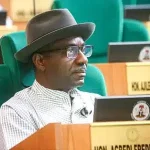
EKO HOT BLOG gathered that controversy began when Ibrahim Usman Auyo, a member of the House of Representatives from Jigawa State, told constituents that presenting bills, motions, or petitions on the floor of the green chamber comes at a price, between ₦1 million and ₦3 million. The All Progressives Congress (APC) lawmaker, who represents Hadejia/Auyo/Kafin Hausa federal constituency, made the comments in Hausa during a meeting with his constituents.
EDITOR’S PICKS
Responding to criticism over his perceived low record of sponsoring bills and motions, Auyo alleged that lawmakers are required to pay to get their proposals accepted for presentation.
“Even the bills and petitions are paid for,” he said in the viral video. “You have to pay from ₦3 million, ₦2 million, or ₦1 million to present it. And after you present the bill, you must follow up by lobbying the whole 360 members of the house to accept the bill.”

He further argued that no individual from his constituency had submitted a bill for him to sponsor since he entered the National Assembly in 2015, inviting communities to come forward with proposals that could be considered.
House Demands Proof
The remarks triggered a swift reaction from the House of Representatives leadership, which said such an allegation — if left unchecked — could damage public trust in the National Assembly.
In a statement, Akin Rotimi, spokesperson of the House, said Auyo will be invited to substantiate his claims when plenary resumes. “Statements of this nature must be backed by verifiable facts and presented through the appropriate parliamentary channels,” Rotimi said.
He stressed that the legislature’s procedures for introducing bills, motions, and petitions are governed by the constitution, House Standing Orders, and parliamentary ethics, and that the insinuation of a bribery-based system was inconsistent with those processes.
If the lawmaker cannot provide evidence, the matter will be referred to the House Committee on Ethics and Privileges for further action, the House spokesperson added.

The Bigger Questions
Whether Auyo’s claim is true or not, it raises an important issue about how accessible Nigeria’s legislative process really is — both for lawmakers and for the citizens they represent.
If, hypothetically, presenting a bill or motion depended on a significant financial outlay, it could have far-reaching consequences. Legislators without deep pockets, or those unwilling to participate in such a system, might be sidelined from shaping national policy. In turn, communities with pressing issues but limited influence could find their needs excluded from the law-making agenda.
Furthermore, the perception that money changes hands for parliamentary action could erode public confidence in the legislature. Nigeria’s National Assembly already struggles with an image problem, with frequent public criticism over high allowances, perceived underperformance, and low transparency. Allegations of pay-to-play politics could deepen cynicism, discouraging citizen engagement and feeding narratives of elite self-interest.
On the other hand, if such claims are unfounded, they risk inflicting unjust reputational damage on an institution central to Nigeria’s democracy. The suggestion that legislative duties are monetised can overshadow the genuine work of lawmakers who follow due process, making it harder to win public support for necessary reforms.
The Road Ahead
For the House of Representatives, the way this matter is handled could set an important precedent. Demanding evidence and referring the matter to the Ethics and Privileges Committee shows an intent to protect institutional credibility.
FURTHER READING
However, any investigation would need to be thorough and transparent to convince Nigerians that the truth — whichever way it falls — has been established beyond doubt. In short, one statement debunking Auyo’s claim will not be enough.
Philip Ibitoye is a Special Correspondent with EKO HOT BLOG. Click here to find daily analysis and critical insight on trending issues in Lagos and other parts of Nigeria.
Click here to watch the video of the week below: