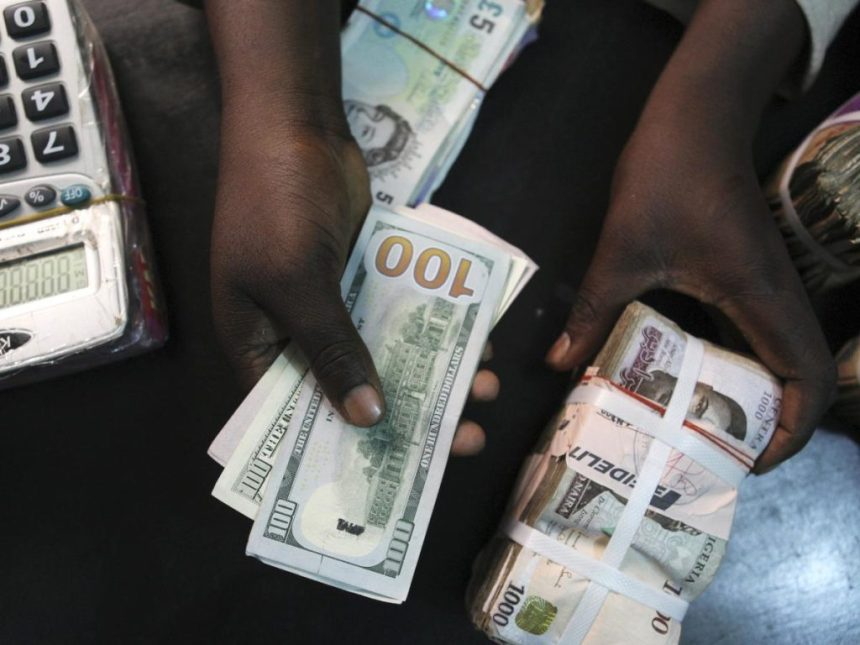
The United States dollar remains strong against the Nigerian naira today.
EDITOR’S PICKS
- How Nigeria’s Excess Crude Account Has Depleted Over Time
- 2027: Why Jonathan Cannot Defeat Tinubu – Lagos APC
- Over 8,600 Domestic, S3xual Violence Cases Reported in Lagos in One Year
EKO HOT BLOG reports that official and market rates continue to diverge, reflecting ongoing pressure on foreign exchange channels amid liquidity challenges and tightening monetary policy.
Here’s the exchange rate breakdown:
| Rate Type | USD / NGN |
|---|---|
| Official / Mid-Market Rate (Wise) | ₦1,507 |
| CBN / Central Bank Official | ₦1,501.50 |
| Black Market Rate / Parallel Market | ₦1,540 (Sell), ₦1,525 (Buy) |
At the official and mid-market levels, $1 is trading at approximately ₦1,507, while the Central Bank’s rate sits slightly lower at ₦1,501.50. These rates are used in formal and regulated foreign exchange transactions.
In contrast, the parallel market reflects higher rates with a sell rate around ₦1,540 and a buy rate near ₦1,525. This gap of about ₦30-₦40 per dollar underscores the premium applied in informal markets, where demand outstrips supply, and official FX channels are more constrained.
The divergence has implications for imports, inflation, and business costs. For companies needing dollars for raw materials or foreign payments, costs can jump significantly if they rely on black channel rates. Consumers may see ripple effects in prices of goods, service charges, and foreign education or travel expenses.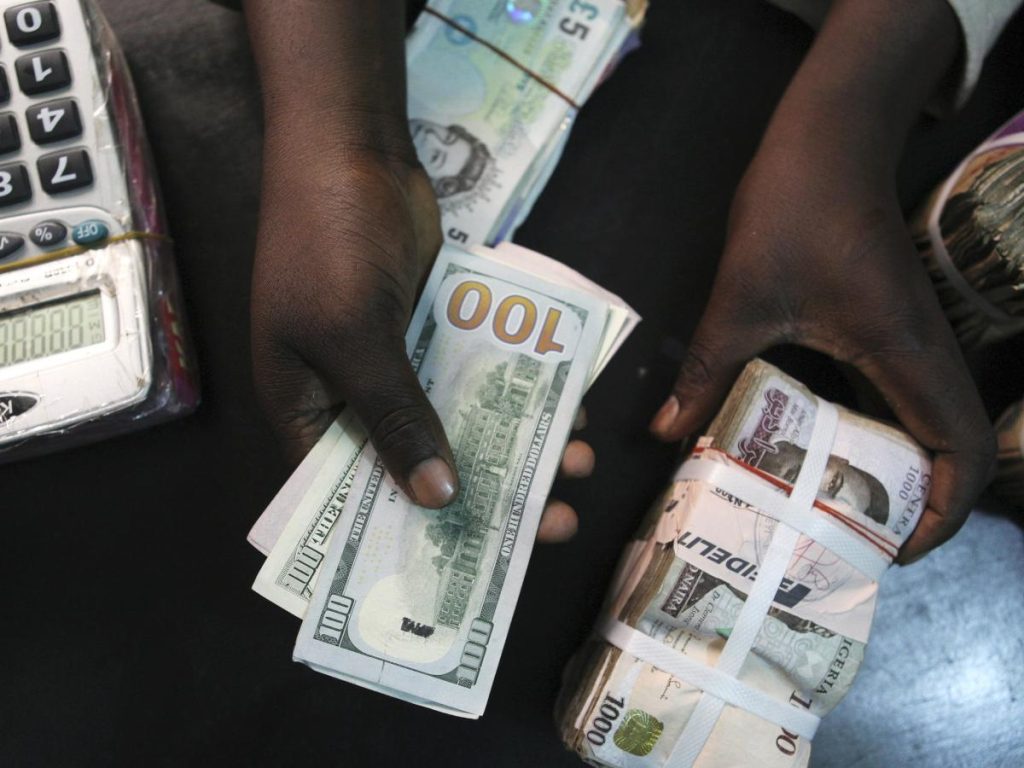
Analysts say that unless foreign reserve inflows increase, or regulatory interventions occur, the gap between official and parallel rates may persist or widen. Meanwhile, the Central Bank’s policies—including interest rate adjustments and FX market support—are being closely watched for signs of impact on the naira.
FURTHER READING
- UNICEF Urges Bigger Budget for Children’s Welfare, Development
- World Cup Qualifier: Eagles Seek Victory To Keep Hopes Alive
- Paraguay Ends 16-Year Wait, Qualifies For 2026 World Cup