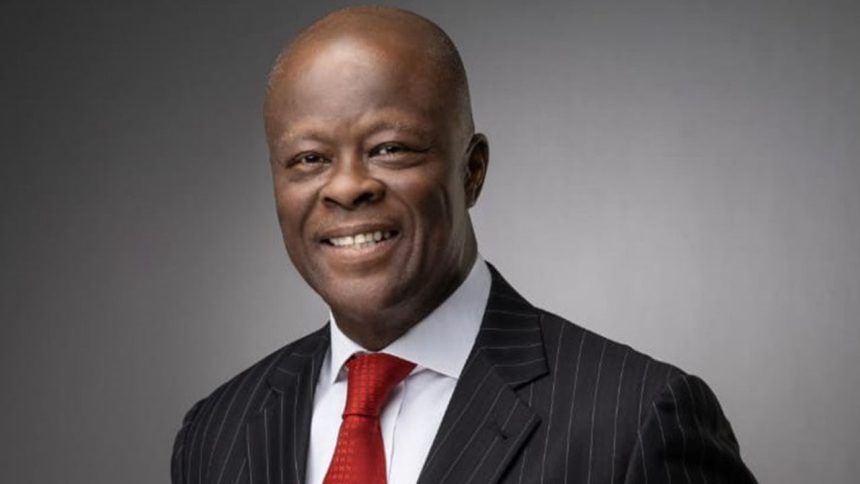
- Presidency Defends Borrowing, Says Nigeria Is “Under-Borrowing”
- External debt hit $45.97 billion in Q1 2025 amid naira depreciation.
- Government says borrowings fund infrastructure to reduce multidimensional poverty.
The Presidency has dismissed concerns that Nigeria’s debt profile is spiraling out of control, insisting the country is “under-borrowing” compared to its economic capacity.
Special Adviser to President Bola Tinubu on Economic Matters, Tope Fasua, made the remarks during a Channels Television interview on Tuesday. He argued that at 39 percent of Gross Domestic Product (GDP), Nigeria’s debt remains within sustainable limits.
EDITOR’S PICKS
- How Nigeria’s Excess Crude Account Has Depleted Over Time
- 2027: Why Jonathan Cannot Defeat Tinubu – Lagos APC
- Over 8,600 Domestic, S3xual Violence Cases Reported in Lagos in One Year
EKO HOT BLOG reports that according to Fasua, debt servicing has also significantly reduced. “At 39 percent of GDP, Nigeria is actually under-borrowing. The last data I reviewed last month showed debt servicing costs were 64 percent lower. In 2022, there was a point when debt servicing consumed as much as 120 percent of our revenue, forcing the country to borrow even more to service existing debts. Right now, our debt management is in much better shape,” he said.
He explained that both federal and state governments are meeting their repayment obligations, noting that states had reduced their debt stock by 42 percent between 2023 and 2024. Fasua stressed that current loans are targeted at infrastructure and development projects rather than consumption or waste.
Data from the Debt Management Office (DMO) and the National Bureau of Statistics (NBS) shows that Nigeria’s external debt stood at $45.97 billion (₦70.63 trillion) as of Q1 2025, representing a 26.07 percent year-on-year increase. This rise has been attributed to new borrowings and the naira’s depreciation.
Fasua justified the increase, stating that the country faces an annual infrastructural gap of about $3 trillion. “We have roads to build and facilities to maintain. Infrastructure is central to addressing multidimensional poverty, which goes beyond income to include lack of basic amenities. Through our projects, millions have been lifted out of such poverty,” he said.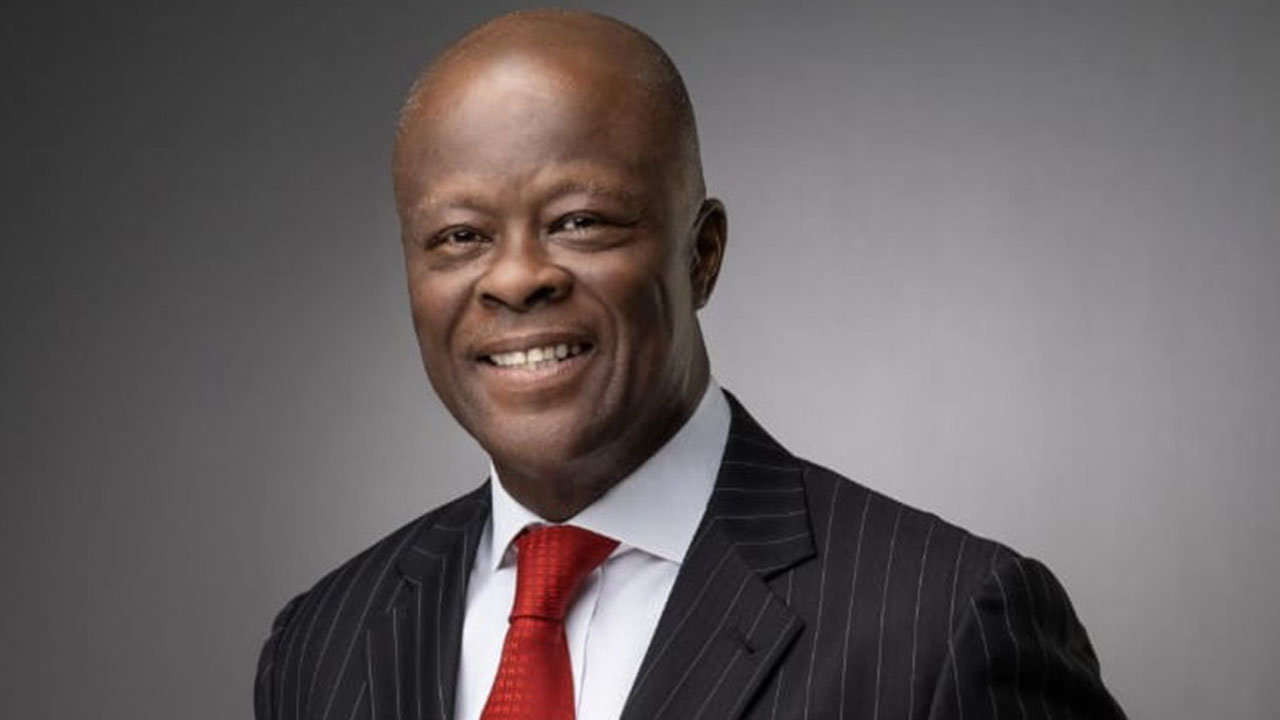
While defending the government’s borrowing strategy, Fasua maintained that constructive criticism was welcome. He urged Nigerians to focus discussions on loan sources, interest rates, and ensuring funds are directed to viable projects capable of generating returns to offset debts.
FURTHER READING
- UNICEF Urges Bigger Budget for Children’s Welfare, Development
- World Cup Qualifier: Eagles Seek Victory To Keep Hopes Alive
- Paraguay Ends 16-Year Wait, Qualifies For 2026 World Cup