-
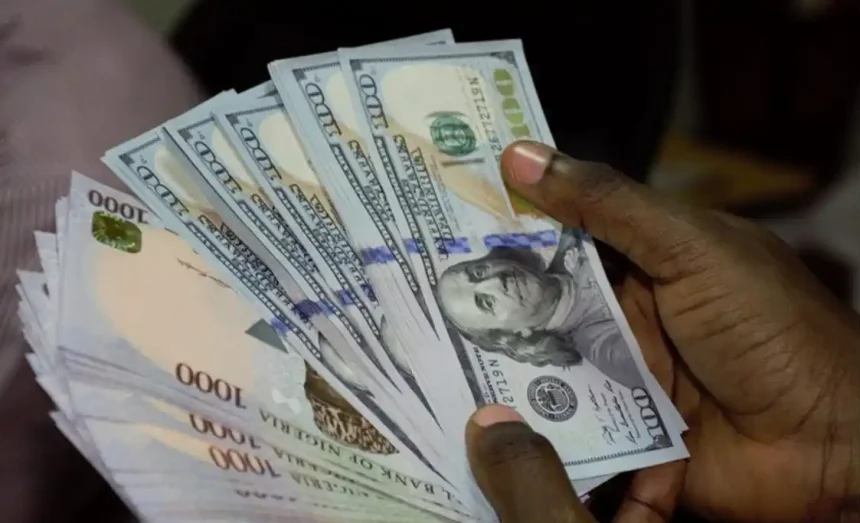
Dollar to Naira Rate on 27 September 2025.
-
Forex demand pressure, naira weakness drive exchange rate volatility.
-
Businesses face inflation risks, tighter margins as forex costs rise.
As of late September 2025, the exchange rate between the U.S. dollar (USD) and the Nigerian naira (NGN) continues to reflect pressures from foreign exchange demand, naira depreciation, and macroeconomic factors.
EDITOR’S PICKS
- The Past Is Gone, I Forgive and Move On – Jonathan
- Spotify Names Ayra Starr Top Female Force in Afrobeats
- Fela Didn’t Inspire Me – Burna Boy
EKO HOT BLOG reports that according to data from independent sources, 1 USD is trading at about ₦1,493.99 on the foreign exchange market.
Meanwhile, on the black market (parallel/Aboki rates), the dollar is quoted in a range between ₦1,500 and ₦1,515.
Exchange Rate Comparison Table
| Market Segment | Rate (USD → NGN) | Notes / Source |
|---|---|---|
| Official FX / interbank | ₦1,493.99 | Market-tracked rate |
| Black market (sell) | ₦1,515 | Dealers’ selling rate |
| Black market (buy) | ₦1,500 | Dealers’ buying rate |
What’s Driving the Rate?
-
Demand and Supply Imbalance: High demand for dollars for import payments, external obligations, and dollar-denominated contracts sustains pressure on the naira.
-
Depreciation Risk: Any weakening of the naira increases the cost of servicing dollar-denominated liabilities, prompting financial players to hedge.
-
Policy and Monetary Moves: Interest rate adjustments, central bank interventions, or liquidity shifts can influence market expectations and exchange rate dynamics.
-
Market Segmentation: The significant spread between official and black-market rates underscores persistent distortions and currency market segmentation in Nigeria’s forex system.
Implications & Outlook
With the dollar trading at ₦1,493.99 officially and up to ₦1,515 in the black market, sectors reliant on imports and forex transactions face tighter margins. Businesses may see cost pressures, inflation risks may persist, and firms with dollar obligations may feel strain.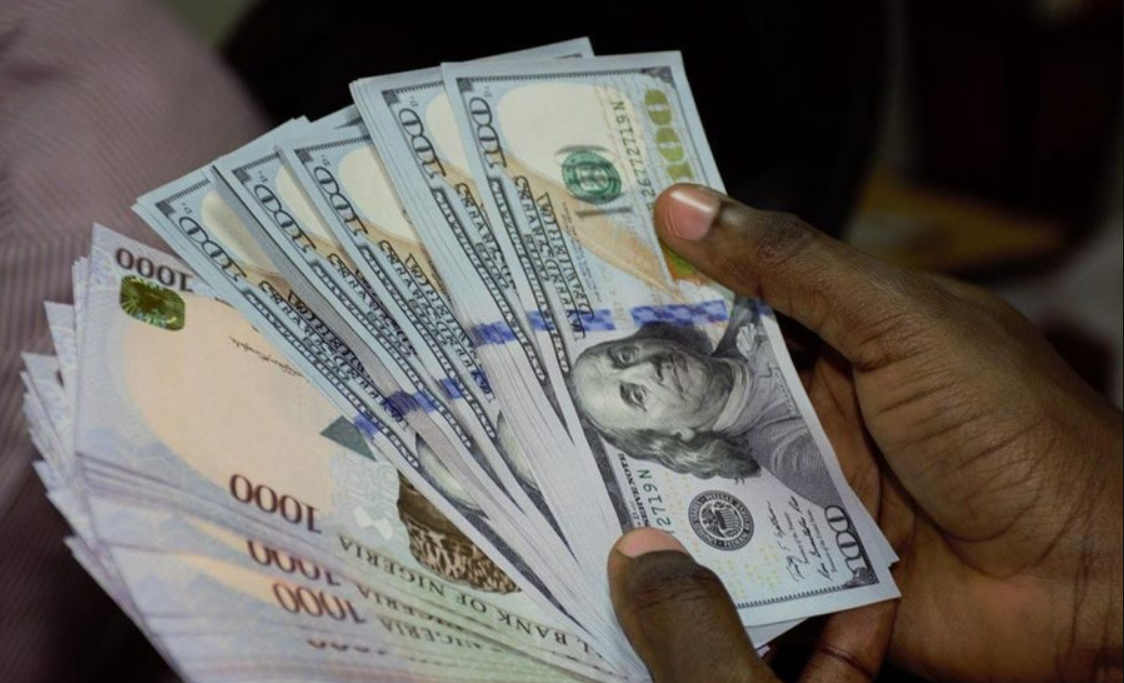
Going forward, stability will likely hinge on central bank interventions, improvements in foreign reserve levels, and managing speculative pressures in the parallel markets.
Would you like me to include historical trends (past 3 months) in the article so readers see how the naira has moved over time?