- Nigeria’s Economy Boosting Under Tinubu – World Bank
- Nigeria’s economy grew by 3.9 per cent in the first half of 2025
- The Bank cautioned that the benefits of these reforms have not trickled down to households
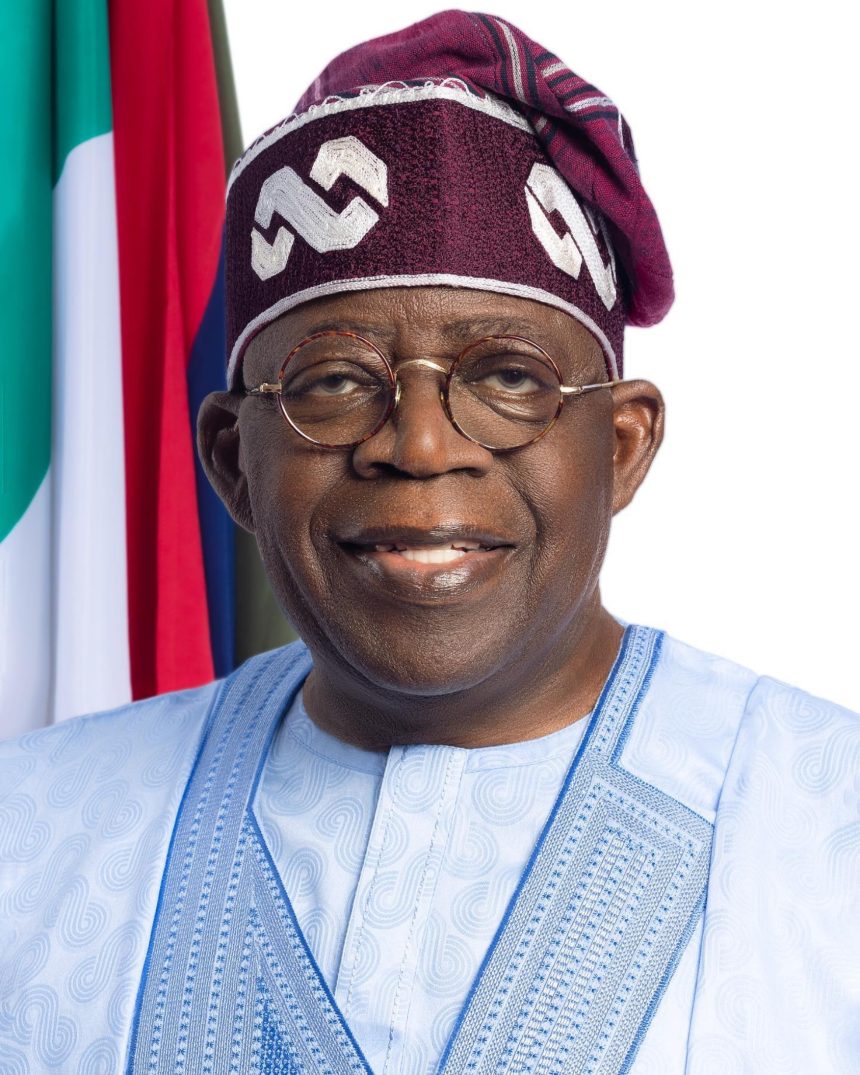
The World Bank has said that Nigeria’s ongoing economic reforms under President Bola Tinubu’s administration have started to produce positive macroeconomic outcomes, but warned that most citizens are yet to experience tangible improvements in their living conditions.
Eko Hot Blog reports that this was contained in the Bank’s latest Nigeria Development Update (NDU) report, released on Wednesday in Abuja, titled “From Policy to People: Bringing the Reform Gains Home.” The report evaluates Nigeria’s economic performance and highlights policy priorities to ensure reforms lead to inclusive growth.
EDITOR’S PICK
- Certificate Scandal: Tinubu’s Minister Nnaji Resigns
- LASUED VC Welcomes Students to 2025/2026 Academic Session, Reiterates Commitment to Excellence
- RBK Builds State-of-the-Art Primary Health Center in Lekki LCDA
According to the World Bank, Nigeria’s economy grew by 3.9 per cent in the first half of 2025, up from 3.5 per cent during the same period in 2024. The growth was driven by stronger service and non-oil sectors, alongside modest gains in oil production and agriculture.
The report also noted improvements in Nigeria’s external and fiscal positions, with foreign reserves surpassing $42 billion and the current account surplus rising to 6.1 per cent of GDP. Public debt was projected to fall from 42.9 to 39.8 per cent of GDP, the first decline in over a decade.
However, the Bank cautioned that the benefits of these reforms have not trickled down to households, as food inflation and poverty remain high. The cost of a basic food basket, it noted, has increased fivefold since 2019.
“The Nigerian government has taken bold steps to stabilise the economy, and these efforts are beginning to yield results,” said Mathew Verghis, World Bank Country Director for Nigeria. “But macroeconomic stability alone is not enough. The true measure of success will be how these reforms improve the daily lives of Nigerians especially the poor and vulnerable.”
The World Bank urged the government to prioritise tackling food inflation, enhancing the efficiency of public spending, and expanding social protection through regular, locally funded cash transfers.
Senior Economist Samer Matta added that while growth is projected to rise from 4.2 per cent in 2025 to 4.4 per cent in 2027, inflation remains a major threat. “Food inflation remains the biggest tax on the poor,” he said, calling for sustained monetary discipline and deeper structural reforms to ensure recovery benefits ordinary Nigerians.