- Train Travel in Nigeria: Safe, Modern, or Still a Gamble for Passengers?
Nigeria has poured billions into new passenger rail lines, yet recent months have seen a surge of accidents and breakdowns that undermine the “modern” image of its rail renaissance. Since 2020, at least 183 derailments have been recorded nationwide.
High-profile incidents in 2024–2025 have shaken public faith. In May 2024 a Kaduna–Abuja service derailed near Jere, Kaduna State (no fatalities) and halted operations for days.
Barely a month later, another Abuja–Kaduna train left the tracks (three coaches overturned in video reports). In August 2025 a Kaduna–Abuja train derailment injured six passengers critically, prompting yet another service suspension.
Back in April 2025 Nigeria’s longest passenger route – the Warri–Itakpe (Ujevwu–Itakpe) line – was halted for three days after multiple engine failures on April 9 disrupted both directions of service.
When the NRC finally resumed Warri–Itakpe on October 29, 2025, passengers endured successive glitches: a maintenance halt on Thursday, a late-night mechanical breakdown Friday, and then a derailment at Agbor on November 1.
Two coaches derailed at Agbor (Delta State) around 7:30pm, but security teams confirmed all passengers were evacuated safely. Even smaller mishaps are routine – e.g. a “minor” derailment at Okpara Station in Delta (Dec 2024) and track instability near Agbor (April 2023) have repeatedly shut the corridor. In short, the Itakpe–Warri route alone saw over ten derailments and breakdowns in 2023–2025.
These frequent incidents have eroded ridership confidence. Social media and passenger accounts describe panic and fear. In one August 2025 derailment, witnesses reported a “chaotic” scene as terrified commuters scrambled to safety. Lawmakers and experts point out that passengers have “complained for months about wobbling tracks” only to be ignored.
The Nigerian Economic Society warns that “public confidence in rail travel hinges on safety,” and that riders must be assured their lives and property are secure if they are to keep using trains. Indeed, politicians have loudly branded the collapse of newly built lines a “national embarrassment,” noting that ten derailments since 2023 have “endangered passengers and eroded public confidence”.
Even amid fear of trains, some commuters in Lagos still turn out in droves: the state’s brand-new Blue Line light rail has carried over 5 million riders in two years without a single accident. But long wait‑lists, crowding and service hiccups on Lagos’s Red Line (opened 2024) suggest passengers are unforgiving of inefficiency.
Nigeria’s authorities are scrambling to respond. The Senate has launched a full-scale probe into rail projects, particularly the Itakpe–Warri standard gauge line, demanding technical audits and accountability for costly contracts. The National Railway Corporation (NRC) has repeatedly suspended troubled routes to audit track and equipment for example, halting Warri–Itakpe services on Nov 2, 2025 after the Agbor derailment and on April 10, 2025 after engine.
NRC’s managing director confirms routine vandalism of track clips and signalling gear over 150,000 rail clips were stolen nationwide in 2022–2023 and has deployed extra security and recovery teams after each mishap.
Yet experts argue the core problem is maintenance culture. Former London Underground engineer James Akpoviroro warns that railways demand continuous upkeep, and that derailments often start from “loose clips, misaligned track geometry or eroded ballast,” all preventable with regular inspections.
Professor Adeola Adenikinju of the Nigerian Economic Society likewise urges technology drones, CCTV and real‑time monitoring to protect passengers and rebuild trust.
Even President Tinubu emphasizes rail’s importance for the future, saying Nigeria must expand its network to meet booming demand, but critics point out there’s little point in building more lines if trains can’t run reliably today.
The split between Lagos’s mostly trouble-free commuter lines and the NRC’s beleaguered corridors illustrates the challenge. Lagos State’s rail authority touts the Blue and Red Lines as symbols of “modern Lagos,” with frequent service and high patronage. By contrast, federal lines – Abuja–Kaduna, Lagos–Ibadan SGR, and the Ujevwu–Itakpe/Warri line have been dogged by derailments, security breaches, and technical faults.
The Lagos government touts safe, high-volume performance, while federal officials plead for time to beef up maintenance. Analysts say the two can and must coexist: safe, well-maintained rail can relieve snarled highways and support a growing economy, but only if public safety is non-negotiable.
Nigeria’s rail renaissance still hangs in the balance. Billions of dollars have built ostensibly modern tracks, but without urgent fixes many of these investments are at risk.
Restoring passenger confidence will require visible safety improvements disciplined upkeep, transparent investigations of each incident, and real penalties for negligence.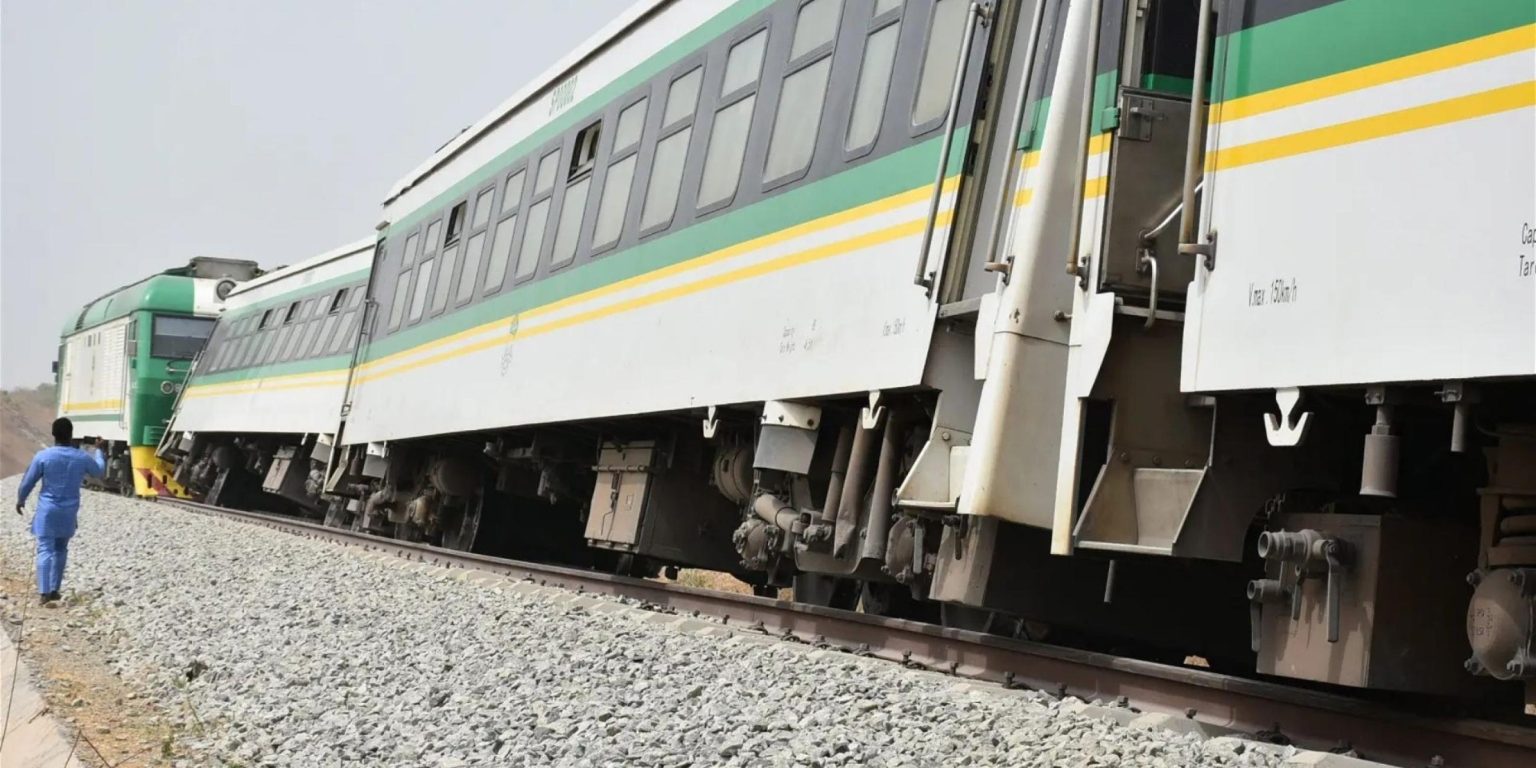
If the government can follow through, trains could indeed become a safe, modern alternative to road travel. Otherwise, as one senator warned, repeated breakdowns “threaten public safety” and turn an investment into a national liability. The coming year will test whether Nigeria’s rail system can recover its promise and justify continued investment, or whether passengers begin to treat train travel as a gamble rather than a reliable choice.
FURTHER READING
- Tinubu Swears In Two New Ministers
- Hilda Baci Receives Second Guinness World Record Plaque
- Senate Passes Landmark Bill: Lecturers Who S3xually Harass Students to Face 14 Years in Jail