- A nationwide rollout in South Africa is expected to follow next year
- a twice-yearly injectable shown to cut the risk of contracting HIV by more than 99.9 per cent
- Cheaper generic versions of lenacapavir are anticipated from 2027, expected to cost about $40 a year
South Africa, Zambia and Eswatini have commenced the first public distribution of a revolutionary HIV-prevention injection, marking a major milestone in the fight against a virus that remains most prevalent on the African continent.
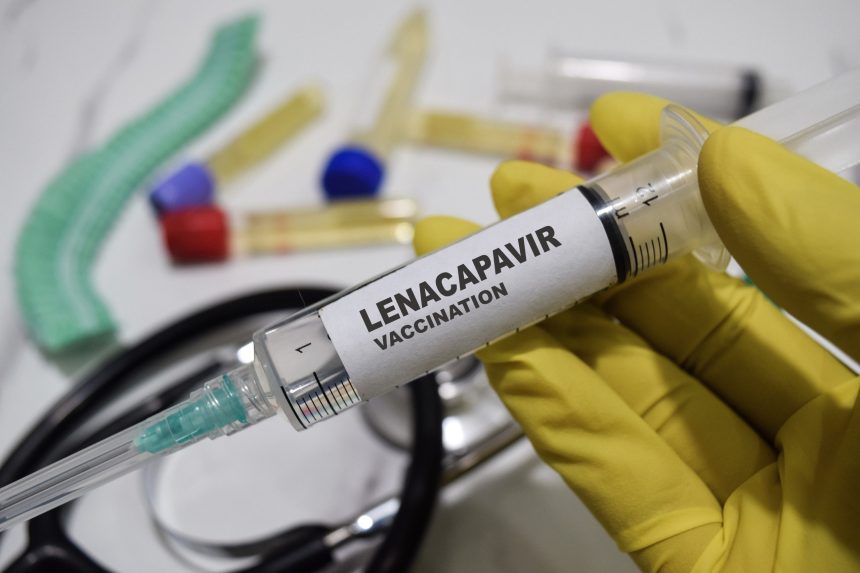
Eko Hot Blog reports that the rollout introduces lenacapavir, a twice-yearly injectable shown to cut the risk of contracting HIV by more than 99.9 per cent, offering protection comparable to a highly effective vaccine.
EDITOR’S PICK
- Third Time’s The Charm? Lagos Sets Another 18-Month Timeline To Close Olusosun, Other Dumpsites
- Lagos Is Not a Laboratory for Political Apprentices,” APC to ADC
- Eedris Abdulkareem Loses Facebook, Instagram Accounts
The programme took off in South Africa under the supervision of a Wits University research team, backed by Unitaid, the global health agency driving access to lifesaving medical innovations.
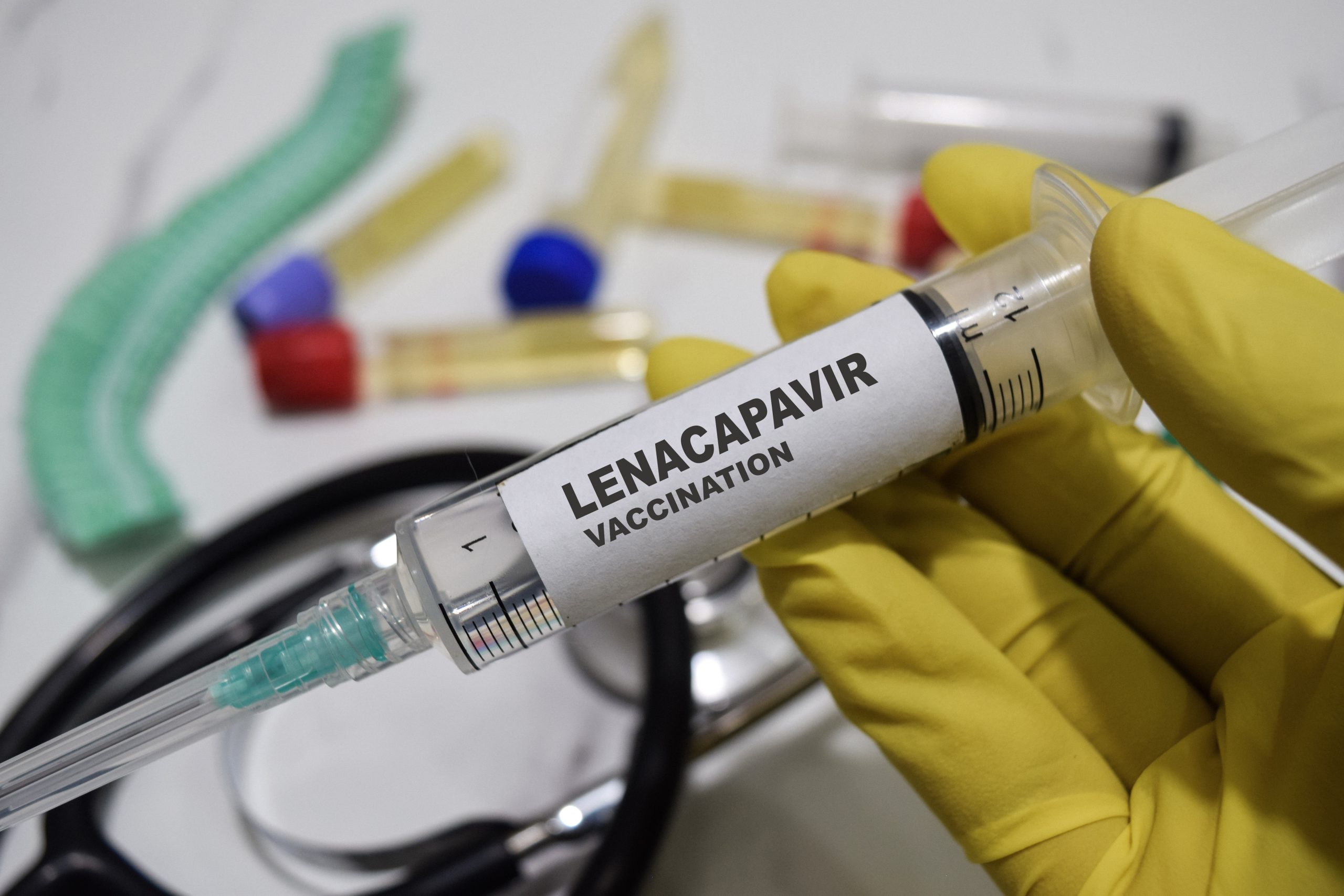
Unitaid confirmed that the initial group of recipients had already received the shot, describing it as one of the earliest real-world deployments of the long-acting drug across low and middle-income nations.
Although the organisation did not reveal the number of people who received the first batch, lenacapavir remains extremely costly in countries like the United States, where annual treatment is priced at $28,000 per person. A nationwide rollout in South Africa is expected to follow next year.
Zambia and Eswatini, which received 1,000 doses last month through a United States-backed initiative, were also scheduled to begin administering the drug at their World AIDS Day events on Monday.
Under the agreement, manufacturer Gilead Sciences has committed to supplying the injection at no profit to two million people over three years.
However, public health advocates argue the commitment falls short of the real demand and insist that pricing must be drastically reduced for broader access. Eastern and southern Africa remain the global epicentre of HIV, accounting for over half of the 40.8 million people living with the virus worldwide, according to UNAIDS.
Cheaper generic versions of lenacapavir are anticipated from 2027, expected to cost about $40 a year across more than 100 eligible countries through partnerships between Unitaid, the Gates Foundation and Indian pharmaceutical manufacturers.
For more than ten years, HIV prevention has relied heavily on daily PrEP pills, but adherence challenges have limited its impact a Experts believe the twice-yearly injection could finally bridge.
FURTHER READING