- The disruption triggered widespread fuel scarcity and long queues
- develop a national policy to safeguard critical private investments
- Dangote Refinery plays a vital role in Nigeria’s energy security
The House of Representatives has agreed to intervene in the ongoing industrial dispute between the Petroleum and Natural Gas Senior Staff Association of Nigeria (PENGASSAN) and the Dangote Refinery, which has disrupted petroleum distribution across the country.
Eko Hot Blog reports that the intervention followed a motion of urgent public importance jointly sponsored by Alhassan Doguwa (Kano) and Abdussamad Dasuki (Sokoto) during Tuesday’s plenary.
EDITOR’S PICK
- JUST IN: Sean Dyche Appointed Nottingham Forest Manager
- Jegede Urges Regina Daniels to Seek Divorce Amid Domestic Violence
- Tinubu’s Renewed Hope Agenda Targets Soil Health for Sustainable Farming
The motion, titled “Need to protect private investment from adversarial unionism,” highlighted the refinery’s national importance as Africa’s largest privately owned petroleum facility.
The face-off with PENGASSAN led to a strike action that began on September 29, 2025, halting refinery operations and reportedly causing a daily loss of about 200,000 barrels of crude oil for three days. The disruption triggered widespread fuel scarcity and long queues at filling stations nationwide, causing hardship for millions of Nigerians.
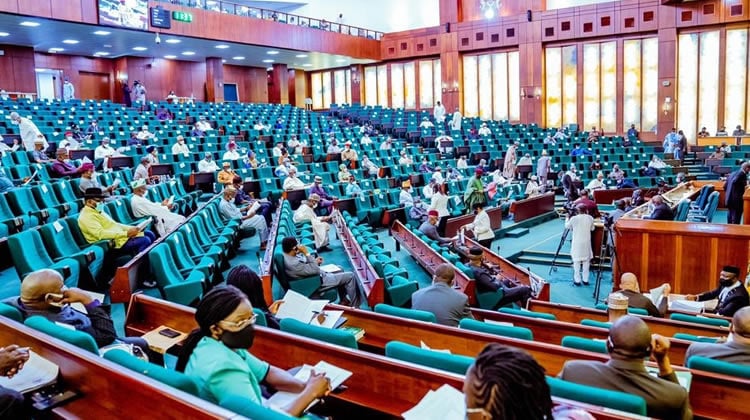
Doguwa emphasized that the Dangote Refinery plays a vital role in Nigeria’s energy security, employment generation, and reduction in fuel imports. He also noted that the refinery operates within a Free Trade Zone and is subject to the Nigeria Export Processing Zones Authority (NEPZA), under Section 18(5) of the NEPZA Act, which exempts it from conventional labor laws.
He warned that union activities that violate these legal protections risk deterring future investments and damaging the national economy.
Although some lawmakers, like Ahmad Jaha (Borno), urged caution, the House adopted the motion and resolved to mediate between both parties. It also called on the Ministries of Labour, Trade, and Justice to develop a national policy to safeguard critical private investments from disruptive labor actions.
Additionally, the Ministry of Justice and NEPZA were tasked with ensuring full compliance with relevant legal provisions in all Free Zones.
FURTHER READING