As Nigeria walks into 2026, the mood across the country is a mixture of cautious hope, growing anxiety and political calculation.
For many citizens, the year is not just another chapter in the nation’s journey but a critical turning point that will determine whether recent reforms begin to yield relief or whether hardship deepens ahead of the 2027 general elections.
EDITOR’S PICK
- Ogun NUJ Secretary Remanded Over Alleged Kidnapping Of Policeman
- Lagos State DMO Partners with NGX and X-Academy for Capital Market Training
- Lagos State Disburses ₦103.7 Million Housing Loans to 225 Local Government Staff
Conversations in homes, markets, offices and political circles increasingly revolve around survival, leadership performance and who is best positioned to take the country forward.
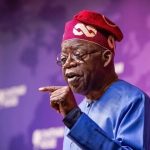
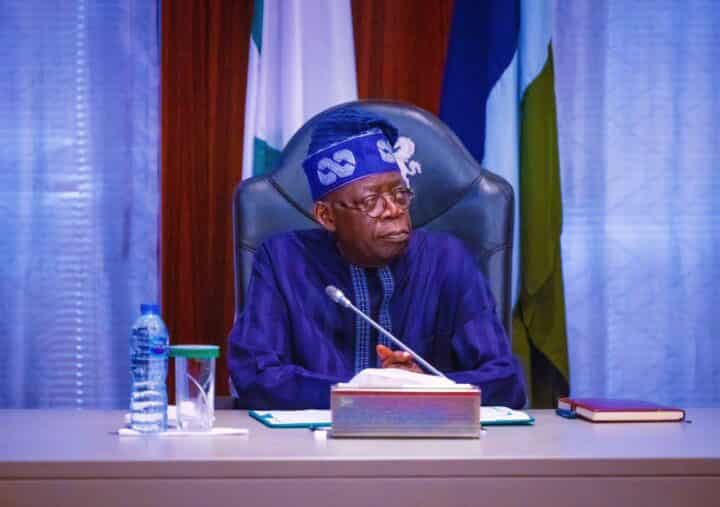
President Bola Ahmed Tinubu enters 2026 with his administration firmly committed to defending and consolidating its reform agenda. Since assuming office, Tinubu and his cabinet have pursued policies aimed at restructuring Nigeria’s economy, arguing that the old model built on subsidies and distortions was no longer sustainable.
Government officials continue to insist that difficult decisions taken earlier are beginning to stabilise public finances and restore investor confidence.
However, for many Nigerians, these assurances are yet to reflect in everyday life. Rising living costs, pressure on incomes and slow job creation have kept public frustration high, creating a challenging environment for the administration as political activities gradually intensify.
Within the ruling All Progressives Congress, 2026 is expected to be a year of internal consolidation and strategic planning.
Ministers, party leaders and state governors will be under intense pressure to demonstrate tangible achievements in their respective sectors and constituencies.
Performance will matter more than ever, not only for public perception but also for political survival within the party. Behind the scenes, alliances are being built and recalibrated as various power blocs position themselves for influence ahead of 2027.
The presidency is expected to play a central role in managing these dynamics to prevent internal divisions that could weaken the party’s electoral chances.
On the opposition side, 2026 represents an opportunity to regain momentum.
The Peoples Democratic Party and other opposition parties have continued to criticise the Tinubu administration, arguing that economic reforms have placed excessive burdens on ordinary Nigerians without adequate social protection.
Beyond criticism, there is growing discussion around coalition building, leadership renewal and grassroots mobilisation. Opposition figures understand that fragmentation could once again undermine their chances in 2027, making 2026 a crucial year for unity, strategy and credibility building.
Economically, expectations for 2026 are layered with both optimism and concern. Government projections point to moderate growth driven by agriculture, services and increased non oil activity.
Officials are confident that improved revenue collection and disciplined spending will strengthen macroeconomic stability.
Yet, many Nigerians are more concerned about immediate realities than forecasts. Inflation remains a pressing issue, eroding purchasing power and stretching household budgets.
Citizens expect clearer and more direct interventions that can ease food prices, transport costs and energy expenses, particularly for low income earners and small businesses that form the backbone of the economy.
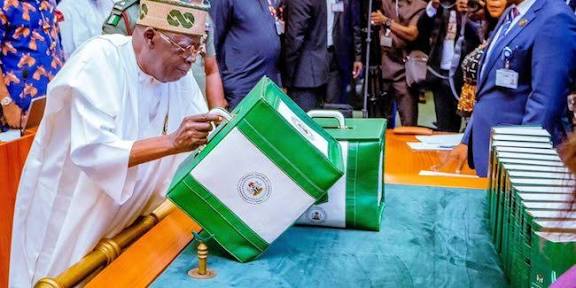
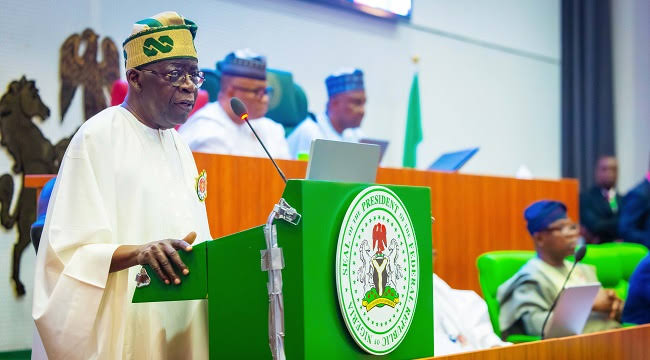
The 2026 budget will play a major role in shaping public perception of the government’s priorities. With significant allocations to infrastructure, security and social services, the administration is expected to sell the budget as a tool for growth and stability.
At the same time, rising debt servicing costs continue to raise questions about sustainability and fiscal discipline. Many analysts argue that Nigerians will judge the budget less by its size and more by how effectively it translates into visible improvements in roads, power supply, healthcare and education.
Tax policy is also set to dominate discussions throughout the year. The Tinubu administration’s efforts to broaden the tax base and improve compliance are aimed at reducing reliance on oil revenue and borrowing.
While the logic behind these reforms is widely acknowledged, their implementation remains sensitive.
Businesses worry about increased costs, while individuals fear additional pressure on already stretched incomes.
For 2026, the challenge for the government will be to balance revenue generation with fairness, transparency and accountability, ensuring that taxpayers can see clear value for their contributions.
Security continues to be one of the most emotionally charged issues for Nigerians, and expectations for improvement in 2026 are high.
Despite increased spending on defence and internal security, challenges such as banditry, kidnapping, insurgency and communal violence persist in several parts of the country. Farmers, traders and commuters remain vulnerable, particularly in rural areas and along major highways.
Many Nigerians believe that beyond funding, what is needed is better coordination, improved intelligence gathering and stronger engagement with local communities. How the government handles security in 2026 will significantly influence public confidence and political narratives heading into the election season.
Politically, 2026 will gradually shift Nigeria into full election mode. Off cycle governorship elections and other political contests scheduled for the year will serve as testing grounds for parties and candidates.
These elections will offer insight into voter sentiment, the effectiveness of party machinery and the impact of government policies on electoral outcomes.
As campaigns quietly begin to take shape, governance and politics will increasingly intersect, sometimes to the detriment of policy focus.
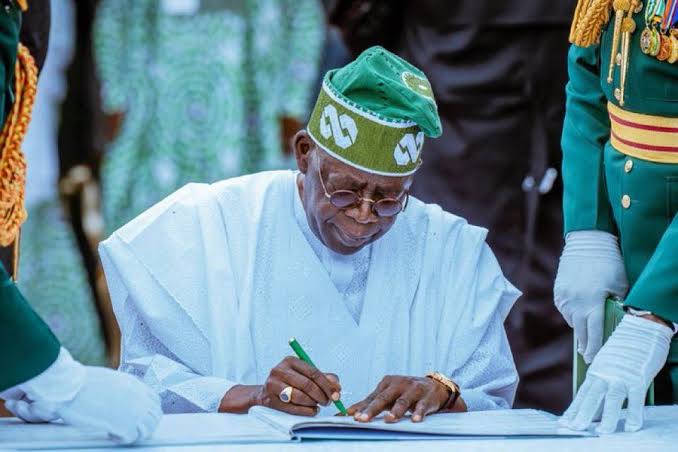
By the end of 2026, Nigeria is expected to be firmly positioned on the road to 2027, with political alignments clearer and public opinion more defined. The year will test the resilience of reforms, the credibility of political leadership and the patience of citizens seeking relief and direction.
For many Nigerians, 2026 is not just about anticipation but about answers, answers to whether sacrifice will lead to progress, whether security will improve and whether leadership will rise to the moment.
FURTHER READING
- Epe Police Division Hosts Maiden Christmas Carol and Praise Night
- Special Jumat Prayer Held to Mark Coronation Anniversary of Orijeru of Igbooye Kingdom
- By Elections: Supreme Court Upholds SDP Victory, Fines INEC ₦2 Million
Click here to watch video of the week