- Symptoms High Blood Pressure Many Nigerians Overlook
-
Many Nigerians ignore early symptoms linked to hypertension.
-
Early detection can prevent stroke, heart failure and kidney disease.
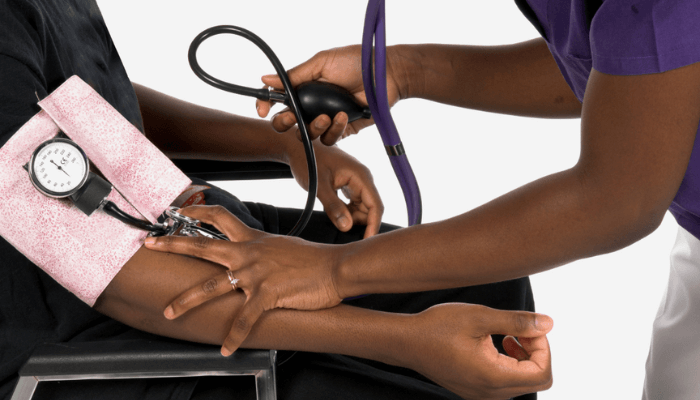
High blood pressure, also known as hypertension, remains one of the most common and dangerous health conditions in Nigeria. Often described as a silent killer, it can damage vital organs for years without obvious symptoms. Many Nigerians live with high blood pressure unknowingly until serious complications such as stroke, heart failure or kidney disease occur.
EDITOR’S PICKS
- How Kidnapped Niger Schoolchildren Were Rescued – Presidency
- FG Explains ₦58.18 Trillion 2026 Budget Increase
- US–Nigeria Ties Remain Strong Despite CPC Listing
EKO HOT BLOG reports that while some people experience no symptoms at all, the body often gives subtle warning signs that are easily ignored or blamed on stress, age or daily hustle. Recognising these signs early can save lives.
Below are seven symptoms of high blood pressure many Nigerians overlook.
1. Frequent Headaches
Persistent or recurring headaches, especially at the back of the head, may be linked to elevated blood pressure. These headaches often feel dull or throbbing and tend to worsen in the morning. Many people dismiss them as stress related or due to lack of sleep.
2. Dizziness or Lightheadedness
Feeling dizzy without a clear cause is another common but ignored sign. Sudden changes in posture, such as standing up quickly, may cause lightheadedness when blood pressure is poorly controlled. This symptom increases the risk of falls and accidents.
3. Blurred or Poor Vision
High blood pressure can damage the blood vessels in the eyes, leading to blurred vision or visual disturbances. Some people notice difficulty focusing or seeing clearly but attribute it to ageing or eye strain instead of checking their blood pressure.
4. Chest Discomfort
Mild chest pain, tightness or discomfort is often ignored, especially when it comes and goes. However, uncontrolled high blood pressure puts strain on the heart and may signal underlying heart problems. Any chest discomfort should be taken seriously.
5. Shortness of Breath
Feeling breathless during mild activity or even at rest may indicate that the heart is struggling to pump blood efficiently. This symptom is common in people with long standing hypertension and may point to heart failure if left unchecked.
6. Fatigue and Weakness
Constant tiredness or unexplained weakness can be a sign that high blood pressure is affecting blood flow to vital organs. Many Nigerians blame fatigue on long working hours, poor sleep or stress, ignoring the possibility of an underlying medical issue.
7. Nosebleeds
Although not very common, frequent nosebleeds can occur in people with severely elevated blood pressure. When they happen repeatedly without injury, they should not be ignored.
Why Early Detection Matters
High blood pressure significantly increases the risk of stroke, heart attack, kidney failure and sudden death. In Nigeria, many cases are diagnosed late due to poor awareness and irregular health checks.
Regular blood pressure monitoring, reducing salt intake, maintaining a healthy weight, exercising regularly and avoiding smoking can help prevent complications. Adults should check their blood pressure at least once every six months, even when they feel healthy.
Ignoring these warning signs can be dangerous. Paying attention to your body and seeking medical advice early may prevent life threatening outcomes.