- Top 7 Political Happenings That Shaped Nigerian Politics In 2025
Nigeria’s political scene in 2025 was driven by clear power struggles, bold federal actions and internal party crises that left lasting marks on governance and democratic institutions. In this article we would look at top 7 political happenings that shaped Nigerian politics in 2025.
- 1. Rivers Governor Suspended, Sole Administrator Takes Over
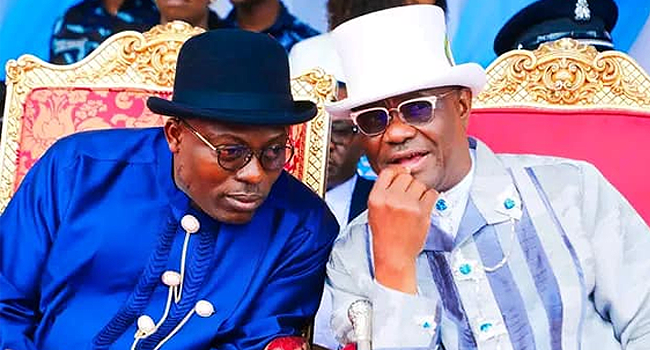
- 2. Wike and Fubara Political War
- 3. Akpabio and Natasha Akpoti Uduaghan Senate Crisis
- 4. Mass Defection of Lawmakers
- 5. Peter Obi and Opposition Coalition Talks
- 6. FG’s Tax Reforms Stir Political Reactions
- 7. Labour Unions and Federal Government Standoffs
1. Rivers Governor Suspended, Sole Administrator Takes Over
The suspension of Rivers State Governor Sim Fubara and the declaration of emergency rule became one of the most consequential political events of the year. The appointment of a Sole Administrator effectively paused elected governance in the oil rich state and triggered nationwide debate over constitutional limits and federal authority. Following Months of political negotiations and pressure, Fubara was later reinstated as governor, restoring constitutional rule in the state. However, the political crisis took a dramatic turn when he subsequently defected from the PDP to the APC.
2. Wike and Fubara Political War
The prolonged clash between FCT Minister Nyesom Wike and Governor Sim Fubara destabilised Rivers politics for months. The dispute led to legislative paralysis, defections in the House of Assembly and deep divisions within the PDP, exposing internal power struggles at the highest level.
3. Akpabio and Natasha Akpoti Uduaghan Senate Crisis
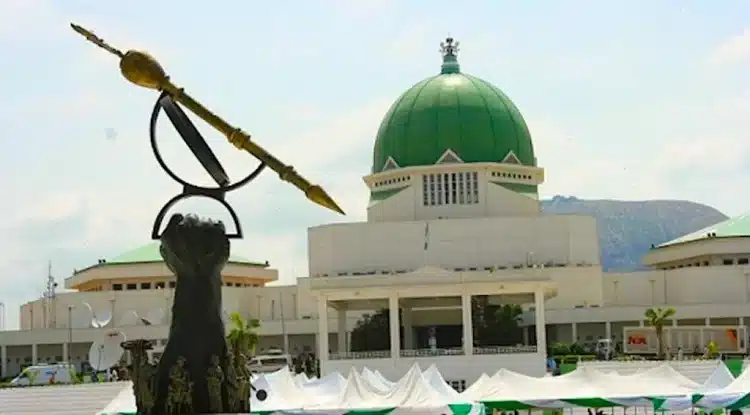
Tensions between Senate President Godswill Akpabio and Senator Natasha Akpoti Uduaghan dominated National Assembly discussions. Natasha was suspended from the National Assembly following repeated clashes with Akpabio. Her suspension lasted six months, after completing her suspension, she was reinstated, restoring her senatorial duties and drawing attention to internal Senate conflicts and power dynamics
4. Mass Defection of Lawmakers
Across the country, governors, senators and lawmakers switched political parties in large numbers. Most defections favoured the ruling APC, weakening opposition parties and reshaping the political balance ahead of the 2027 general elections.
5. Peter Obi and Opposition Coalition Talks
Former Labour Party presidential candidate Peter Obi engaged in high level consultations with opposition blocs, including the ADC. His moves signalled early preparations for 2027 and reignited debate about opposition unity and alternative leadership.
6. FG’s Tax Reforms Stir Political Reactions
The passage of new tax reform laws under President Bola Tinubu generated strong reactions from labour unions, business groups and state governments. The reforms became a major political talking point, testing public trust in the administration’s economic agenda.
7. Labour Unions and Federal Government Standoffs
Repeated confrontations between organised labour and the Federal Government over wages, taxes and economic policies kept political tensions high. Threats of strikes and negotiations shaped policy adjustments throughout the year.
FURTHER READING
- President Lauds DSS Leadership for Positive Media Engagement
- Naira Set to Strengthen, Borrowing Ratesto Fall in Next Six Months – CBN Survey
- New Nigerian Tax Laws to Boost Investment and Fiscal Stability, – FIRS