- The proposed sanctions were linked to allegations of unfair trade practices
- public concern over rising living costs persists, with surveys indicating growing dissatisfaction among American consumers
- The pasta tariff adjustment is the latest in a series of reversals by the Trump administration
President Donald Trump’s government has significantly scaled back earlier plans to impose steep tariffs on Italian pasta manufacturers, signalling yet another shift in the administration’s aggressive trade policy.
Eko Hot Blog reports that the United States Department of Commerce had initially announced in September that 13 pasta-producing firms from Italy would be slammed with an additional 92 per cent duty, on top of the existing 15 per cent tariff placed on European Union exports.
EDITOR’S PICK
- Akpabio Assures Nigerians of Strong Institutions in 2026
- Dollar to Naira Rate for Today, January 1 2026
- Military Eliminates 20 Top Terrorist Commanders, Rescues 2,336 Kidnap Victims in 2025
The proposed sanctions were linked to allegations of unfair trade practices, with U.S. authorities accusing the companies of selling pasta in the American market at prices below fair value.
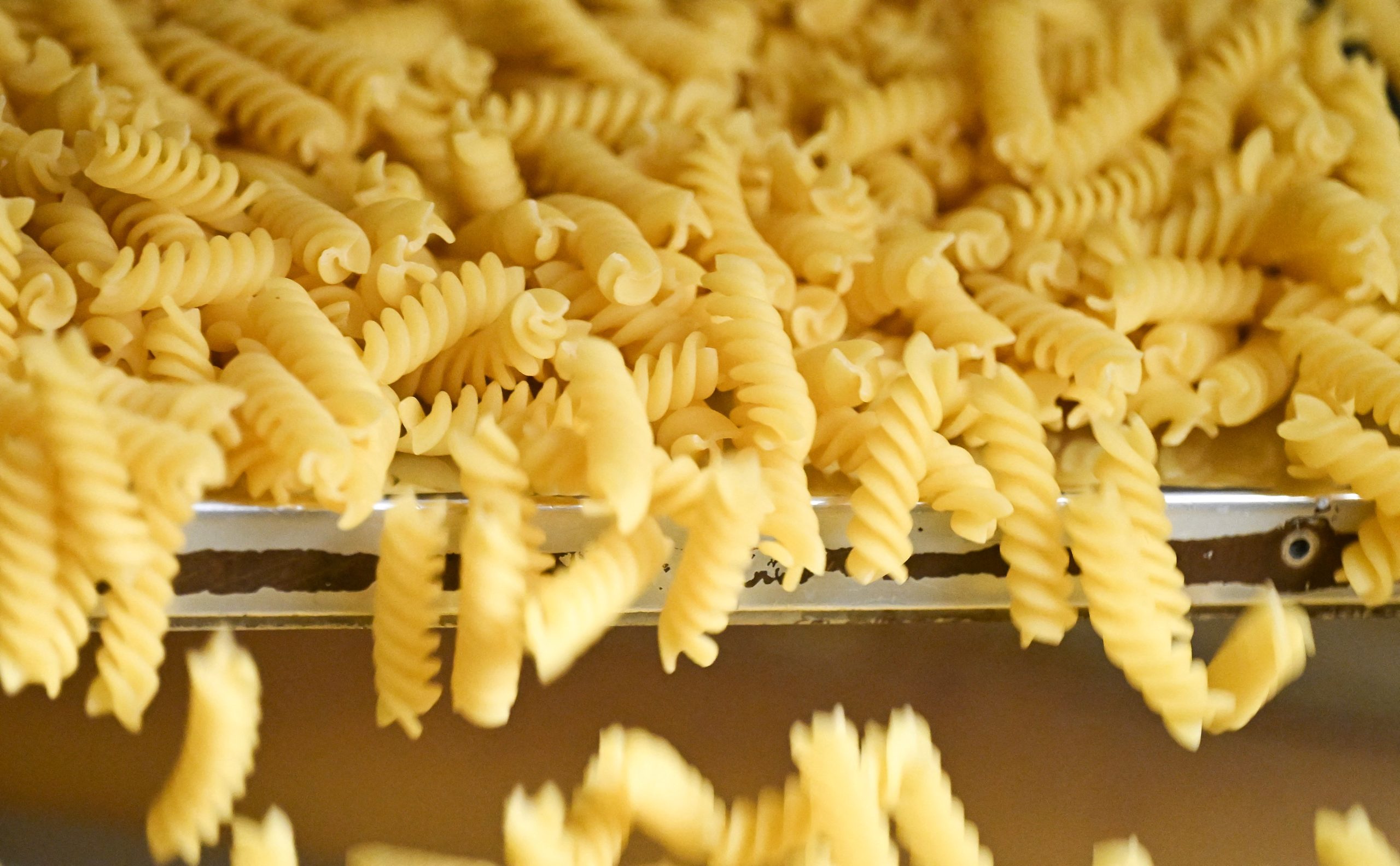
Two major brands, La Molisana and Garofalo, were singled out for allegedly failing to cooperate fully with investigations into their pricing structures.
The affected firms, however, rejected the claims and received diplomatic backing from the Italian government, which formally challenged the allegations through its embassy in Washington.
Following a fresh review, the Commerce Department drastically revised the penalties. La Molisana’s tariff was cut to just two per cent, while Garofalo’s duty was reduced to 14 per cent. The remaining 11 companies will now face a uniform tariff of nine per cent.
Reacting to the development, Italy’s Ministry of Foreign Affairs described the decision as an acknowledgment of the companies’ readiness to engage constructively with U.S. authorities. The ministry noted that the revised duties reflected a more balanced assessment of the situation.
Officials also disclosed that a comprehensive report on the review process is expected to be released in March.
Italy’s pasta industry remains a major contributor to its export economy, with overseas sales valued at about $4.7 billion in 2024. Exports to the United States alone accounted for roughly $800 million of that figure, according to Italian statistical authorities.
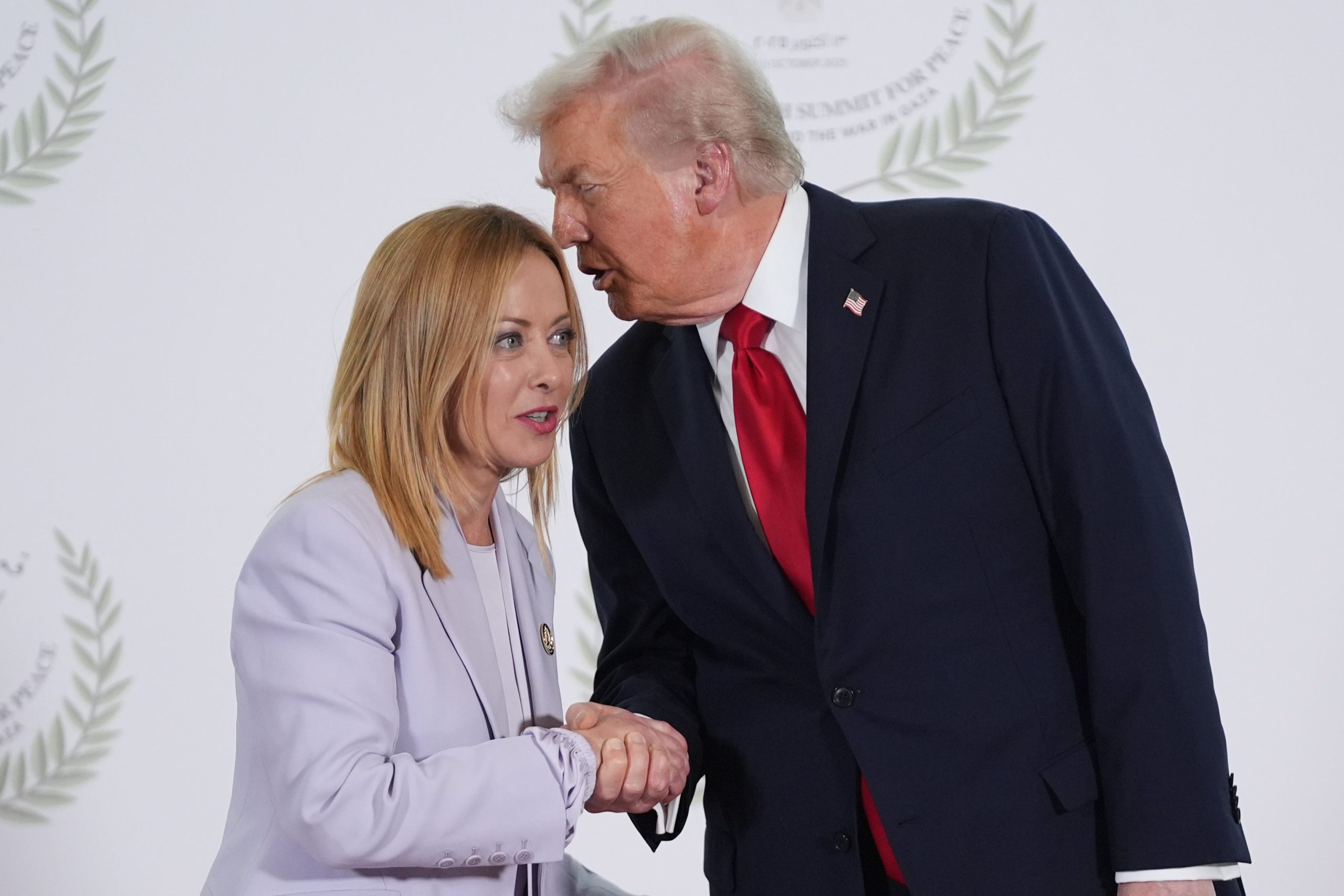
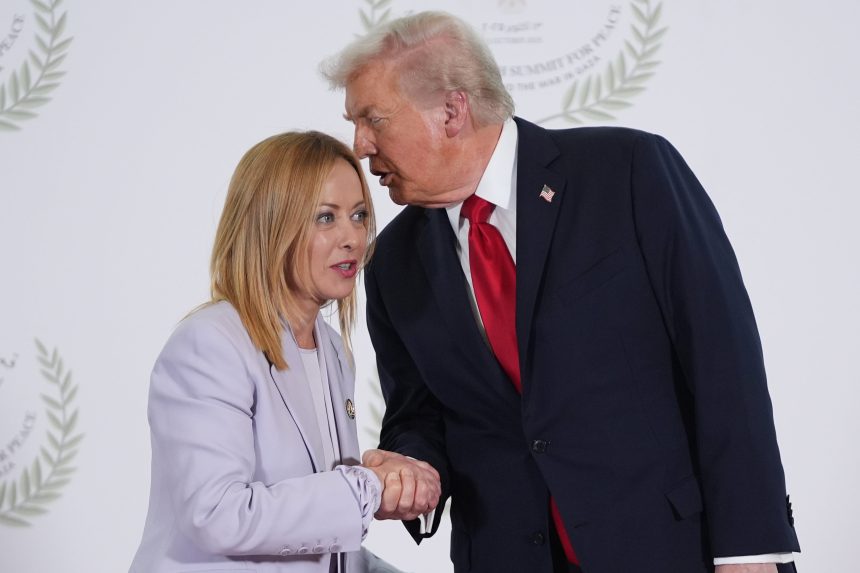
The initial tariff proposal reportedly caused discomfort for Italian Prime Minister Giorgia Meloni, who was said to have believed her cordial relationship with President Trump would shield Italian businesses from harsh trade measures.
The pasta tariff adjustment is the latest in a series of reversals by the Trump administration. In recent months, several planned levies have either been delayed or cancelled, including duties on furniture and kitchen fittings, as well as tariffs on over 200 agricultural products such as beef, coffee and bananas.
Despite criticism that the repeated rollbacks point to policy inconsistency, the White House has insisted that the changes do not undermine the administration’s broader trade strategy. Economic officials maintain that price pressures in the U.S. economy cannot be attributed solely to tariffs.
Meanwhile, public concern over rising living costs persists, with surveys indicating growing dissatisfaction among American consumers.
The tariff rethink also comes amid ongoing legal scrutiny, as the U.S. Supreme Court considers whether the president has the authority to impose sweeping trade measures under emergency powers.
FURTHER READING