- the minister appealed to Nigerians to remain patient, stay informed, safeguard public assets
- Idris, while defending the proposal, said the document reflects a clear strategy to consolidate reforms already underway
- According to details of the proposal, major sectors received significant allocations, with N5.41 trillion earmarked for defence and security
The Federal Government has described the proposed 2026 budget as a deliberate effort to strengthen and sustain the economic reforms introduced by President Bola Tinubu, insisting that the policies are beginning to deliver measurable improvements.
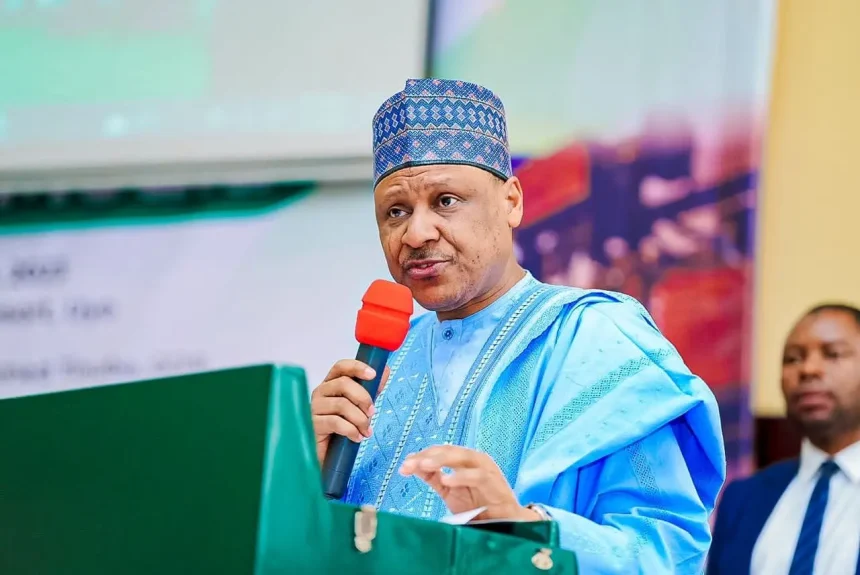
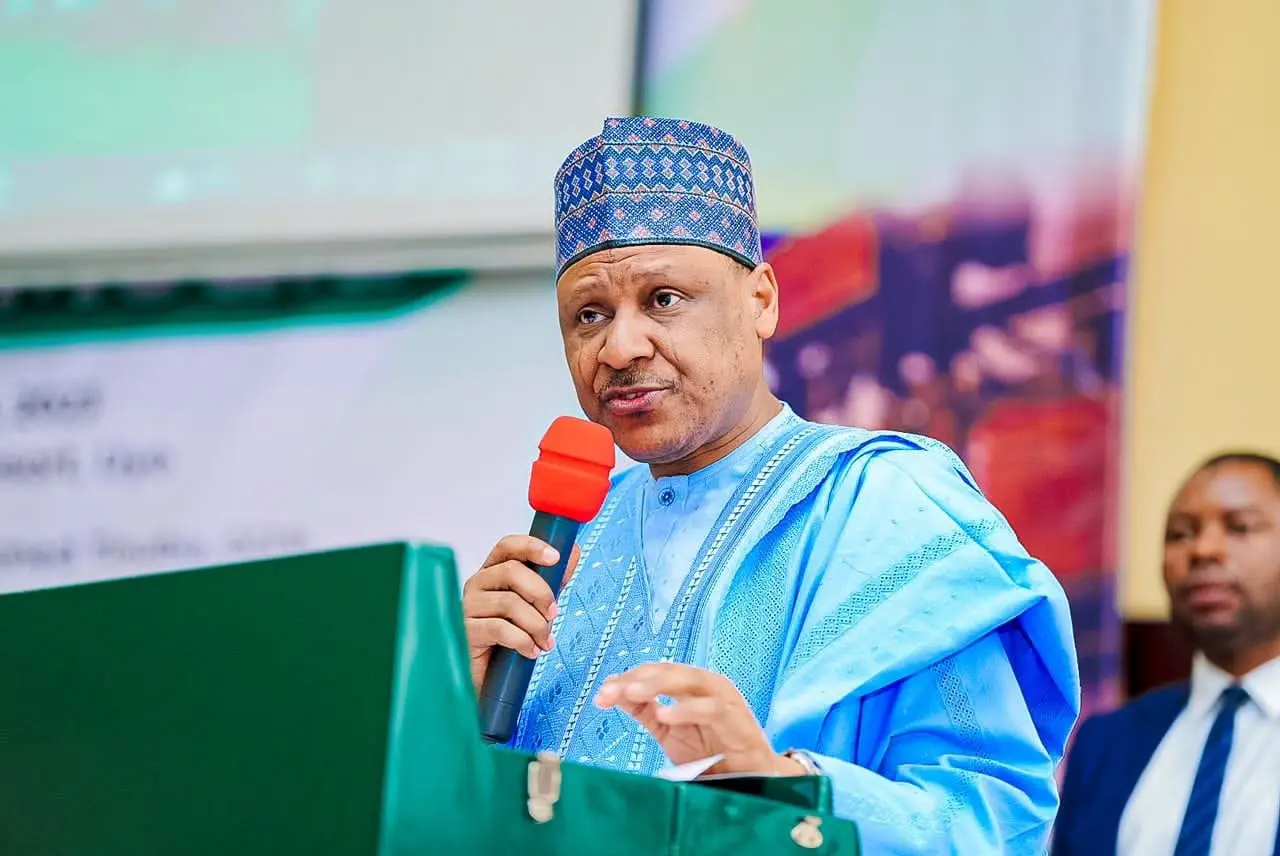
Eko Hot Blog reports that in a commentary published on Monday and later referenced in an official statement, the Minister of Information and National Orientation, Mohammed Idris, explained that the spending plan is structured to build on existing gains.
EDITOR’S PICK
- DDG Says Streaming Pays More Than Music
- NRC Records Massive Passenger Turnout as 50 Percent Festive Fare Discount Ends
- SERAP Urges Tinubu to Probe Alleged ₦128bn Power Funds
President Tinubu had on December 19, 2025, laid the N58.18 trillion 2026 Appropriation Bill before a joint session of the National Assembly, unveiling it as the “Budget of Consolidation, Renewed Resilience and Shared Prosperity.”
According to details of the proposal, major sectors received significant allocations, with N5.41 trillion earmarked for defence and security, N3.56 trillion for infrastructure development, N3.52 trillion for education, and N2.48 trillion set aside for healthcare services.
The budget breakdown further shows N26.08 trillion allocated to capital projects, N15.25 trillion for recurrent expenditure excluding debt, and N15.52 trillion dedicated to servicing public debt.
During the presentation, the President assured lawmakers and Nigerians that 2026 would usher in a new era of fiscal discipline, stressing that the government would discontinue the practice of running overlapping budgets that often result in abandoned projects and recurring obligations.
Idris, while defending the proposal, said the document reflects a clear strategy to consolidate reforms already underway and translate policy efforts into tangible benefits for citizens.
He noted that although the past 31 months of the Tinubu administration involved tough economic decisions, those steps were necessary to break years of stagnation and reposition the economy for long-term stability.
According to the minister, early signs of recovery are already evident, citing increased investor confidence, gradual moderation of inflation, improved foreign reserves, and renewed business activities across key sectors.
Beyond figures, Idris emphasised that the administration is prioritising transparency and sustained engagement with Nigerians, promising regular communication on policy direction, challenges, and progress.
He highlighted ongoing social and economic interventions, including the Nigerian Education Loan Fund, the Presidential Compressed Natural Gas initiative aimed at cutting transport costs, and youth empowerment schemes such as the Labour Employment and Empowerment Programme, the Jubilee Fellows Programme, and the 3 Million Technical Talent initiative.
On food production, the minister pointed to the recapitalisation of the Bank of Agriculture, increased mechanisation, and renewed focus on agricultural value chains.
He also referenced flagship infrastructure projects like the Coastal Highway, Sokoto–Badagry Expressway, Ajaokuta–Kaduna–Kano Gas Pipeline, and expanding rail networks as critical to boosting connectivity and reducing logistics costs.
Addressing national security, Idris said the government is scaling up recruitment, enhancing equipment, and deepening international partnerships, noting recent successes such as the rescue of abducted students in parts of Kebbi and Niger states.
While acknowledging growing public fatigue amid reforms, the minister appealed to Nigerians to remain patient, stay informed, safeguard public assets, and resist misinformation, stressing that sustained commitment is essential to achieving shared prosperity.
FURTHER READING