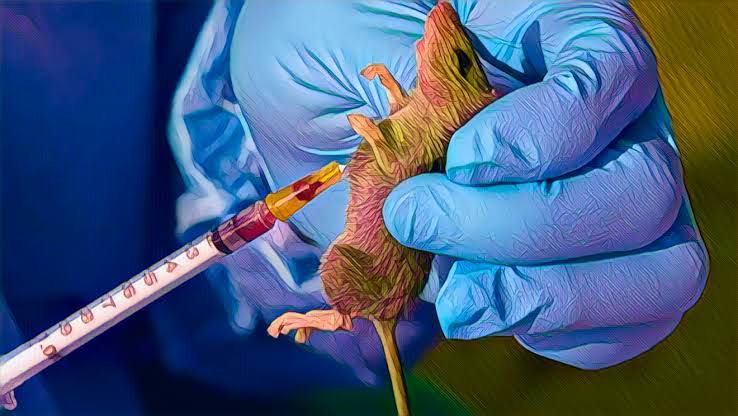
Nigeria’s Lassa fever outbreak showed a troubling trend in 2025: fewer infections but more deaths among those infected.
Data from the Nigeria Centre for Disease Control and Prevention (NCDC) up to epidemiological week 51 released on Tuesday reveal that while confirmed cases declined compared with 2024, the disease became deadlier, raising fresh concerns about health-seeking behaviour, early detection and system readiness.
EDITOR’S PICKS
Fewer cases, higher fatality rate
As of week 51 (15–21 December 2025), Nigeria recorded 206 deaths from Lassa fever. The case fatality rate (CFR) rose to 18.4 per cent, significantly higher than the 16.4 per cent recorded during the same period in 2024. This increase came despite a reduction in overall infections.
In week 51 alone, 21 new confirmed cases were reported, down from 28 cases in the previous week, across 14 local government areas in Bauchi, Ondo, Taraba, Edo, Kogi, Ebonyi and Plateau states. Five deaths were recorded among confirmed cases during the week, producing a weekly CFR of 23.8 per cent.
Cumulatively in 2025, the country recorded 1,119 confirmed cases, nine probable cases, and 9,270 suspected cases across 21 states and 105 LGAs. By comparison, the same period in 2024 saw 1,237 confirmed cases, 20 probable cases, and 203 deaths across 28 states and 139 LGAs, but with a lower fatality rate.
According to the NCDC, the rising CFR is largely linked to late presentation at health facilities, often after complications have set in—reducing the effectiveness of treatment.
High-burden states and systemic challenges
Lassa fever infections in 2025 were heavily concentrated. Four states — Ondo, Bauchi, Edo and Taraba — accounted for 88 per cent of all confirmed cases. Ondo alone contributed 35 per cent, followed by Bauchi (25 per cent), Edo (16 per cent) and Taraba (12 per cent). The remaining cases were spread thinly across 17 other states.
The most affected age group remained 21 to 30 years, with patients ranging from one to 96 years and a median age of 30. Slightly more males than females were infected, with a male-to-female ratio of 1:0.8. Notably, no healthcare worker infection was recorded during the reporting week, suggesting some improvement in infection prevention and control within health facilities.
However, the NCDC identified persistent challenges driving mortality: poor health-seeking behaviour, high treatment costs, low awareness in high-burden communities, and poor environmental sanitation. These factors, the agency warned, continue to delay diagnosis and treatment, turning otherwise survivable infections into fatal cases.
How to avoid contracting Lassa fever
Lassa fever is an acute viral haemorrhagic illness caused by the Lassa virus, primarily transmitted through contact with food or household items contaminated by the urine or faeces of infected rats. It can also spread from person to person through contact with bodily fluids.
To reduce the risk of infection, health experts recommend:
- Keep homes and surroundings clean to discourage rodents; dispose of refuse properly and clear bushes around houses.
- Store food in rodent-proof containers and avoid drying food items on the ground or roadside.
- Wash hands regularly with soap and water, especially before eating or food preparation.
- Avoid contact with rats and do not hunt, handle or consume rodents.
- Use protective equipment (gloves, masks) when caring for sick persons, particularly those with fever of unknown origin.
- Seek medical care early if symptoms such as persistent fever, weakness, headache, vomiting or bleeding occur. Early treatment with Ribavirin significantly improves survival.
- Health workers should maintain a high index of suspicion and ensure prompt referral and isolation where necessary.
FURTHER READING
The NCDC asked state governments to intensify year-round community engagement and strengthen outbreak preparedness. Without earlier presentation and sustained prevention efforts, the agency warns, Lassa fever may continue to claim more lives even as case numbers fall.
Philip Ibitoye is a Special Correspondent with EKO HOT BLOG. Click here to find daily analysis and critical insight on trending issues in Lagos and other parts of Nigeria.
Click here to watch the video of the week below: