On Wednesday, the federal government and the Academic Staff Union of Universities (ASUU) signed a renegotiated agreement at the Tertiary Education Trust Fund (TETFund) headquarters in Abuja, marking what officials describe as a potential turning point for Nigeria’s troubled public university system.
The ceremony, presided over by Education Minister Tunji Alausa and Minister of State for Education Suwaiba Sa’id Ahmad, concluded negotiations that began in 2025 and effectively ends a 16-year implementation stalemate surrounding the contentious 2009 agreement on service conditions for public tertiary school lecturers.
EDITOR’S PICKS
The signing represents the latest attempt to resolve disputes that have plagued Nigeria’s public universities for decades, leading to frequent strikes that have disrupted academic calendars and delayed the graduation of countless students. Issues ranging from funding and infrastructure to academic staff welfare and payment platforms have repeatedly brought the nation’s public university system to a standstill.
A History of Broken Promises
The original 2009 agreement between ASUU and the government was designed to reverse the decay in Nigeria’s public university system. However, its full implementation was repeatedly stalled due to what the government cited as financial constraints and disagreements over university autonomy. Over time, inflation and the emergence of new disputes rendered the 2009 provisions obsolete, necessitating the current renegotiation.
This troubled history explains the cautious optimism expressed by ASUU President Chris Piwuna at Wednesday’s unveiling. “We are optimistic that the government will implement this agreement in totality, but pessimism still exists because of our history,” Piwuna acknowledged.

His statement captures the delicate balance between hope and skepticism that characterizes the union’s current stance.
Piwuna’s remarks also revealed the union’s desire for a new chapter in its relationship with the government. “It is our belief that Dr. Tunji Alausa will be different, and that our union will not need to issue a strike threat before any part of this agreement is implemented,” he said, adding that both parties remain “open and accessible” to continued dialogue.
Signs of Genuine Commitment
There are reasons to believe this agreement might succeed where previous efforts have failed. Alausa framed the renegotiated pact as more than a mere document, describing it as symbolising “renewed trust, restored confidence, and a decisive turning point in the history of Nigeria’s tertiary education system.”
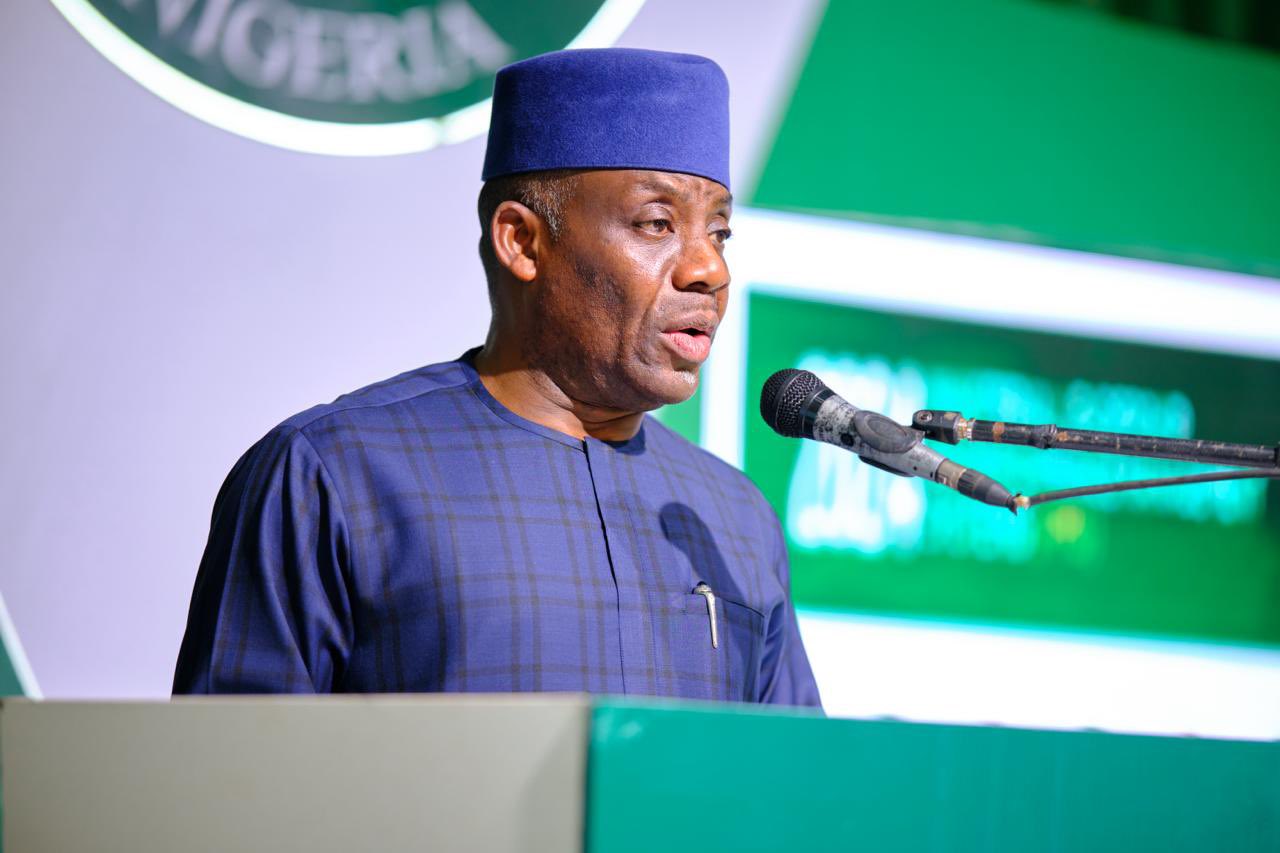
The minister’s commendation of President Bola Tinubu for his “commitment to quality education and an uninterrupted academic calendar” suggests high-level political backing for the agreement’s implementation. This presidential support could prove crucial in ensuring that budgetary allocations and policy decisions align with the agreement’s provisions.
The fact that negotiations were concluded relatively quickly, within 2025, also suggests a genuine willingness from both parties to find common ground. Unlike previous negotiations that dragged on for years, this expedited process may reflect lessons learned from past failures.
The Test Ahead
The true measure of this agreement’s success will not be in its signing but in its implementation.
Nigeria’s students, parents, and academic community have heard promises before, only to watch them dissolve amid bureaucratic inertia and budgetary constraints.
For this agreement to break the cycle of strikes and disruptions, the government must demonstrate consistent commitment through timely release of funds, adherence to agreed timelines, and transparent communication with ASUU. Similarly, ASUU must maintain the collaborative spirit exhibited during negotiations and engage constructively when challenges inevitably arise.
The stakes could not be higher. Nigeria’s public universities educate the majority of the country’s tertiary students, and their continued instability undermines national development goals. If successfully implemented, this agreement could restore confidence in public tertiary education and allow universities to focus on their core mission of teaching, research, and innovation.
FURTHER READING
While Wednesday’s signing ceremony offers a glimmer of hope, only time and sustained action will determine whether this agreement represents genuine change or another chapter in a familiar story of unfulfilled promises.
Philip Ibitoye is a Special Correspondent with EKO HOT BLOG. Click here to find daily analysis and critical insight on trending issues in Lagos and other parts of Nigeria.
Click here to watch the video of the week below: