At a time when Nigeria’s democratic institutions are under intense public and civil-society scrutiny, Deputy Senate President Barau Jibrin offered a robust defence of the National Assembly’s relationship with the executive branch.
Speaking at Al-Hikmah University in Ilorin, Kwara State, on Wednesday, Jibrin rejected claims that the legislature has become “an appendage of the executive arm of government.”
EDITOR’S PICKS
He argued that cooperation and consultation, particularly under President Bola Tinubu’s administration, are deliberate strategies to improve governance, not evidence of subservience.
“This healthy collaboration has been misconstrued by some as the legislature being a rubber stamp of the executive,” Jibrin said, emphasising the importance of constitutional fidelity and mutual understanding in advancing democratic consolidation.

EKO HOT BLOG breaks down the fine line between collaboration and rubber-stamping.
Collaboration vs. Subservience: A Fine Democratic Balance
Barau’s defence highlights a central tension in Nigeria’s democratic evolution: the fine line between constructive collaboration and uncritical endorsement of executive initiatives.
In constitutional democracies, the legislature’s role is dual: to collaborate with the executive on policy and budgets while also serving as a check on excesses or unilateral action. Ideally, cooperation should enhance legislative oversight, not supplant it.
However, recent developments have fuelled perceptions that the National Assembly may be tilting toward the latter. Civil society organisations have publicly condemned the repeal and re-enactment of the 2024 and 2025 federal budgets, arguing the process lacked transparency, excluded public participation, and may have contravened constitutional norms on legislative approval of expenditures. Critics say billions were spent without prior authorisation, undermining democratic accountability.
Similarly, the legislature’s handling of the emergency rule in Rivers State raised concerns about procedural rigor and assertiveness. Both chambers endorsed President Tinubu’s declaration of emergency rule, which included suspension of an elected governor and state assembly, with critics arguing that the use of voice votes for approval fell short of constitutional standards requiring explicit and transparent affirmations. Critics, including former Kano governor Rabiu Kwankwaso, labelled the legislature’s action as indicative of a body that “has become more rubber-stamp than any of its predecessors.”
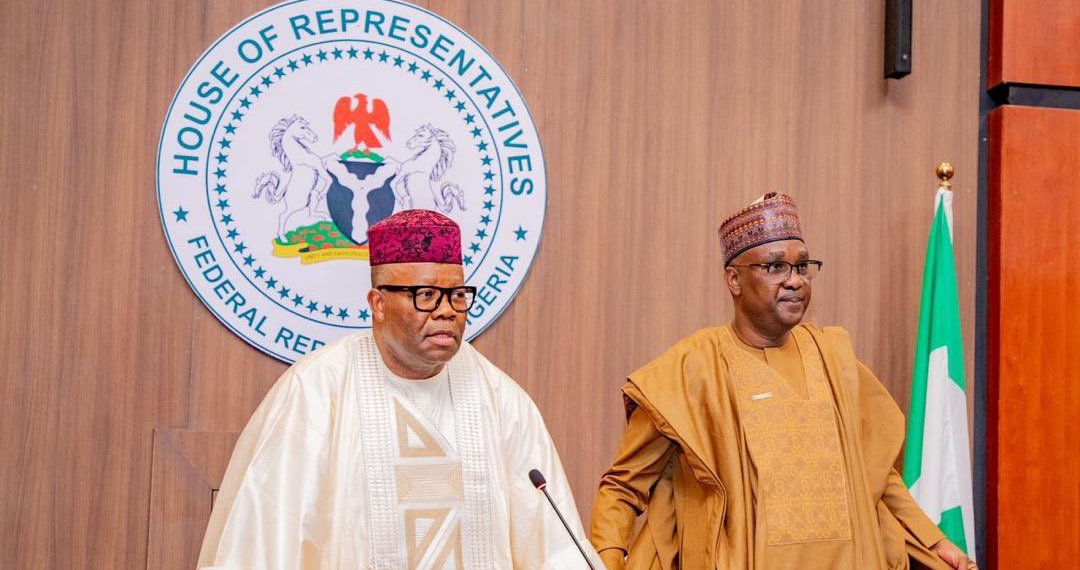
In these instances, the legislature’s decisions were technically cooperative with the executive’s agenda, but the absence of robust debate or transparent procedures has fuelled public suspicion. A cooperative legislature should be assertive enough to challenge and refine executive proposals, not merely endorse them.
From Saraki–Buhari Era to Today: Cooperation and Conflict
This is not the first time Nigeria has wrestled with the legislature’s independence.
During the era of Bukola Saraki as Senate President (2015–2019) under former President Muhammadu Buhari, the National Assembly occasionally took a more confrontational posture toward the executive. High-profile disagreements over budget details and ministerial appointments illustrated a willingness to exercise independent oversight — sometimes at the cost of political friction.

While this combative approach underscored legislative autonomy, it also contributed to institutional paralysis at times, delaying policy implementation and escalating tensions. Critics argued that excessive confrontation risked governance gridlock.
In contrast, the current administration’s approach — emphasised by both Barau and Senate President Godswill Akpabio — promotes harmonious relations that prioritise legislative productivity and consultation. Akpabio has described the Senate’s relationship with the presidency as “frank and firm” and not inclined toward reflexive opposition.
Yet, harmony should not be mistaken for acquiescence. Lopsided cooperation, absent meaningful scrutiny, can erode constitutional checks and balances. When the legislature becomes unable or unwilling to challenge executive overreach, whether in budgetary matters, emergency powers, or foreign borrowing authorisations, it risks becoming a rubber stamp rather than a co-equal arm of government.
Rubber Stamp or Responsible Partnership?
The debate over whether the National Assembly is being cooperative or a rubber stamp speaks to a broader challenge facing Nigeria’s democracy: maintaining legislative independence while fostering effective governance. Too much confrontation can paralyse government; too little can erode accountability.
Barau Jibrin’s rebuttal of rubber-stamp accusations points to the legislature’s desire to be seen as constructive. But public confidence will hinge on greater transparency, procedural integrity, and visible exercise of oversight. Only a legislature that actively shapes and refines executive initiatives, rather than simply endorsing them, can fulfil its constitutional mandate and reinforce democratic norms.
FURTHER READING
Nigeria’s democratic maturity depends not on avoiding conflict at all costs, but on striking a balance where cooperation does not dilute critique, and scrutiny does not degenerate into obstruction.
Philip Ibitoye is a Special Correspondent with EKO HOT BLOG. Click here to find daily analysis and critical insight on trending issues in Lagos and other parts of Nigeria.
Click here to watch the video of the week below: