- Despite these challenges, he maintained that diaspora artists play a crucial role in Afrobeats’ global expansion
- He noted that many diaspora musicians lack industry connections, media exposure, radio airplay
- Young Game explained that physical distance from Nigeria’s music ecosystem remains a major setback for diaspora artists
Nigerian Afrobeats singer, Young Game, has spoken out on the often-overlooked challenges facing African diaspora artists who are striving for recognition within the Afrobeats industry despite their growing contributions to the genre’s global rise.
Eko Hot Blog reports that the singer, born Sunday Paul Bassey and a native of Ndi Okpo Ihechiowa in Arochukwu Local Government Area of Abia State, is currently based in Italy and represents a new generation of African creatives abroad who promote African culture globally but struggle for equal visibility compared to artists operating from Nigeria.
EDITOR’S PICK
- Dollar to Naira Exchange Rate Tuesday, 13 January 2026
- Lagos Assembly Approves ₦4.44 Trillion Budget for 2026
- NANS Mobilises Nationwide Protest Over Tax Reform Law
Young Game explained that physical distance from Nigeria’s music ecosystem remains a major setback for diaspora artists. According to him, while Afrobeats has become a global sound, access to opportunities within the industry is still largely local, leaving artists outside the country at a disadvantage.
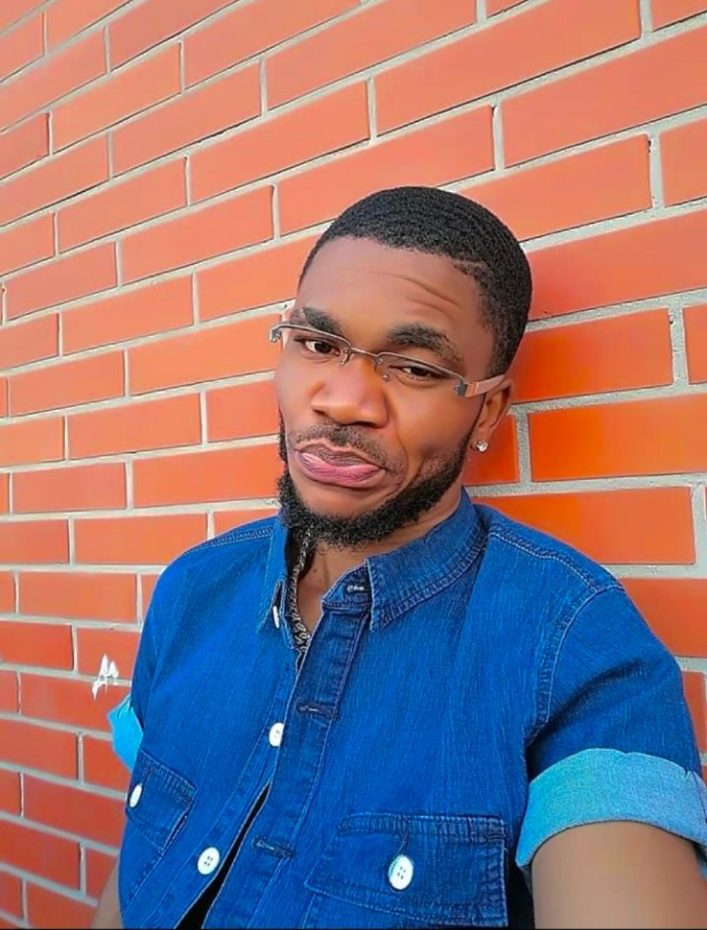
He noted that many diaspora musicians lack industry connections, media exposure, radio airplay, and live performance opportunities, making it difficult to break through despite investing heavily in music production, promotion, and distribution.
The singer added that industry gatekeeping and location bias often sideline talented artists abroad, stressing that having the right sound and consistency is sometimes not enough without proximity to the industry’s power centres.
Young Game also highlighted the identity struggle faced by African artists in the diaspora, who are sometimes perceived as too foreign for the local market and not African enough for international audiences, forcing them to constantly prove their authenticity despite strong cultural roots.
Despite these challenges, he maintained that diaspora artists play a crucial role in Afrobeats’ global expansion, noting that their exposure to diverse cultures encourages innovation and helps introduce the genre to new territories across Europe, America, and beyond.
Calling for greater inclusion, the singer urged industry stakeholders to see diaspora creatives as an essential part of the Afrobeats movement. According to him, the genre thrives best when unified, adding that diaspora artists should be embraced as extensions of the culture rather than treated as outsiders.
FURTHER READING