- Sule said while the constitution guarantees every qualified citizen the right to seek elective office
- The governor noted that rotational leadership helps ease political tension, fosters a sense of representation
- He described the renewed stability in Toto as a shared success, achieved through dialogue, inclusion
Nasarawa State Governor, Abdullahi Sule, has reaffirmed his support for the rotation of the governorship among the state’s three senatorial districts, describing the policy as a tool for equity, inclusion and sustained political harmony.
Eko Hot Blog reports that the governor made the remarks in Lafia while receiving political and community stakeholders from Toto Local Government Area, amid ongoing debates over zoning ahead of the 2027 governorship race.
EDITOR’S PICK
- Akande at 87: Adewole Hails Elder Statesman
- Lagos Assembly Approves ₦4.44 Trillion Budget for 2026
- NANS Mobilises Nationwide Protest Over Tax Reform Law
Sule said that while the constitution guarantees every qualified citizen the right to seek elective office, power rotation has helped reassure different parts of the state that they have a stake in governance.
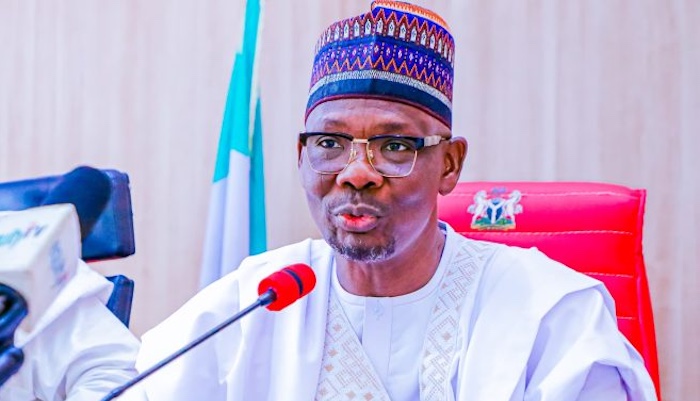
He explained that his position was shaped by personal experience, noting that zoning played a critical role in his own emergence as governor.
According to him, former governor and senator, Umaru Tanko Al-Makura, upheld the principle of zoning despite Nasarawa North having fewer local government areas, a decision Sule said strengthened unity and fairness within the state.
The governor noted that rotational leadership helps ease political tension, fosters a sense of representation and encourages patience among political actors who aspire to leadership.
He urged politicians to explore other avenues of public service while waiting their turn, stressing that governance offers multiple opportunities beyond the governorship.
Sule also commended residents of Toto Local Government Area for the improved peace and cooperation in the area, praising traditional rulers, community leaders and ethnic groups for working together to overcome past conflicts.
He described the renewed stability in Toto as a shared success, achieved through dialogue, inclusion and collective responsibility.
FURTHER READING