- Senate President maintained that the Senate acted within its constitutional powers
- the court ruled in her favour, describing the suspension as excessive, unconstitutional
- the suspension breached her constitutional right to a fair hearing and violated the Senate Standing Orders
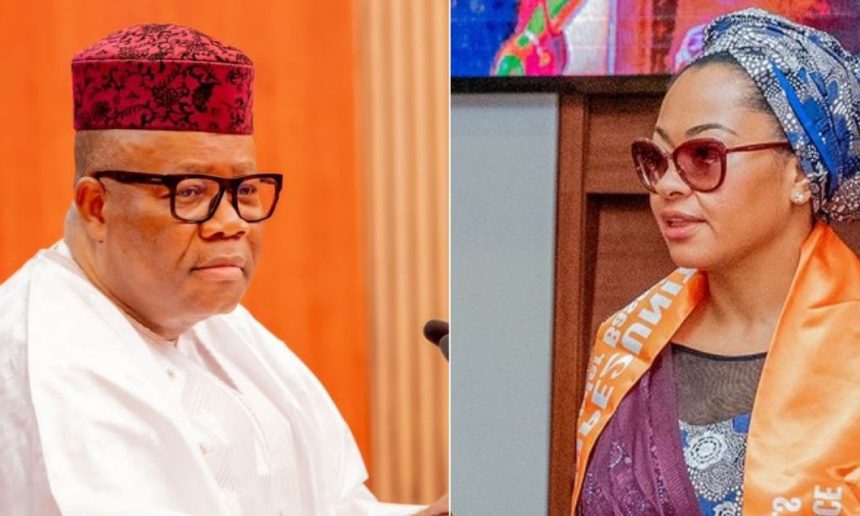
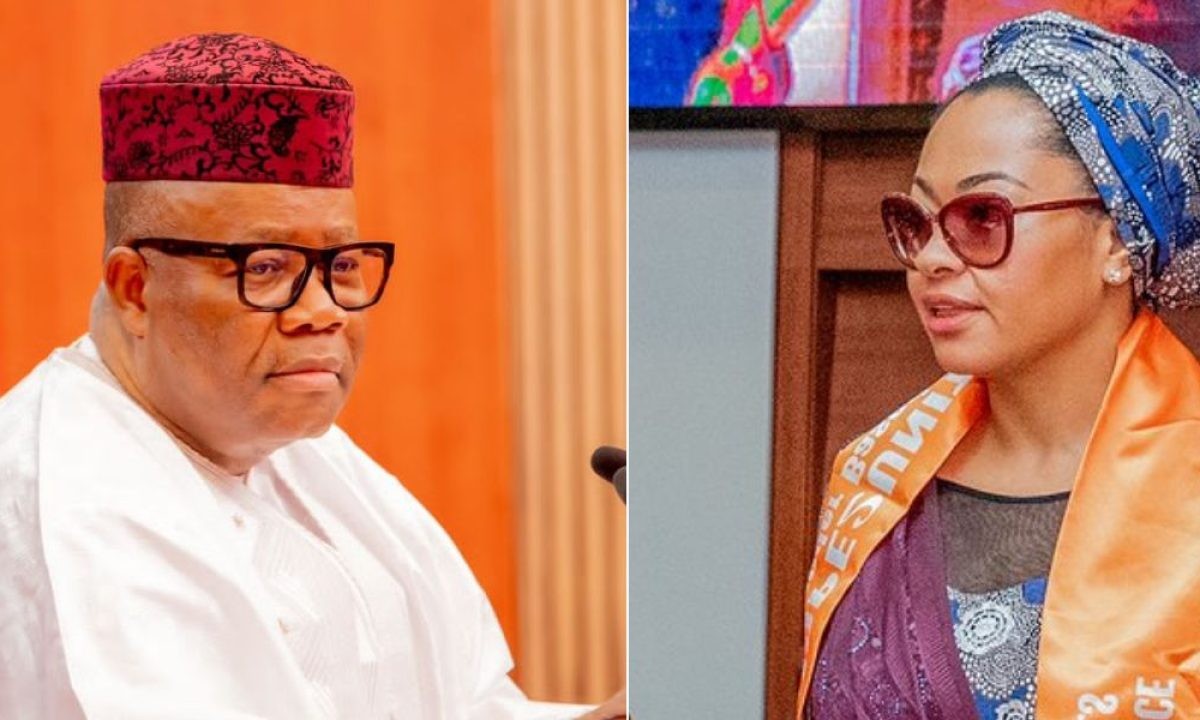
A fresh twist has emerged in the controversy surrounding the suspension of Kogi Central senator, Natasha Akpoti-Uduaghan, following a renewed move by Senate President Godswill Akpabio to seek relief from the Supreme Court.
Eko Hot Blog reports that Akpabio has filed a fresh application before the apex court, seeking to regularise and sustain his appeal against earlier rulings of the Federal High Court and the Court of Appeal on the controversial suspension.
EDITOR’S PICK
- Akande at 87: Adewole Hails Elder Statesman
- Lagos Assembly Approves ₦4.44 Trillion Budget for 2026
- NANS Mobilises Nationwide Protest Over Tax Reform Law
Court filings sighted on Thursday list Akpabio as the appellant, with Akpoti-Uduaghan named as the first respondent. Other respondents include the Clerk of the National Assembly, the Senate of the Federal Republic of Nigeria, and the Chairman of the Senate Committee on Ethics, Privileges and Public Petitions, Senator Neda Imasuen.
The dispute traces back to a Senate plenary in February 2025, during which Akpoti-Uduaghan raised issues bordering on privilege and alleged violations of legislative procedure. The matter was subsequently referred to the Senate Committee on Ethics, which later recommended her suspension.
Challenging the action, the Kogi lawmaker approached the Federal High Court in Abuja, arguing that the suspension breached her constitutional right to a fair hearing and violated the Senate Standing Orders.
In its judgment delivered on July 4, 2025, the court ruled in her favour, describing the suspension as excessive, unconstitutional, and procedurally flawed.
Following developments at the Court of Appeal, Akpabio has now taken the matter to the Supreme Court, seeking an extension of time to apply for leave to appeal on grounds of mixed law and fact. He also asked the court to deem his Notice of Appeal and Brief of Argument as properly filed.
In his application, the Senate President maintained that the Senate acted within its constitutional powers under Section 60 of the 1999 Constitution, which empowers the National Assembly to regulate its internal affairs. He further argued that the Senate President is not mandated to immediately rule on every point of privilege raised on the floor.
Akpoti-Uduaghan, however, has continued to insist that her suspension was unlawful, stressing that the Senate failed to follow its own rules and denied her a fair hearing. It was confirmed on Thursday that her legal team had been duly served with the Supreme Court processes.
The case also features a related contempt issue stemming from a social media post made by the senator while the suit was pending. Although the Federal High Court had fined her and ordered a public apology, she has since appealed that decision.
Legal analysts say the Supreme Court’s eventual ruling could offer clarity on the boundaries of legislative discipline and the extent of judicial oversight in parliamentary affairs.
The development comes just weeks after Akpabio publicly announced his intention to withdraw pending court cases against political adversaries.
Akpoti-Uduaghan resumed legislative duties on September 23, 2025, after completing her six-month suspension and regaining access to her office, which had been sealed since March 6, 2025. Despite the suspension lapsing earlier, her return was delayed due to lingering legal disputes and resistance from Senate leadership.
FURTHER READING