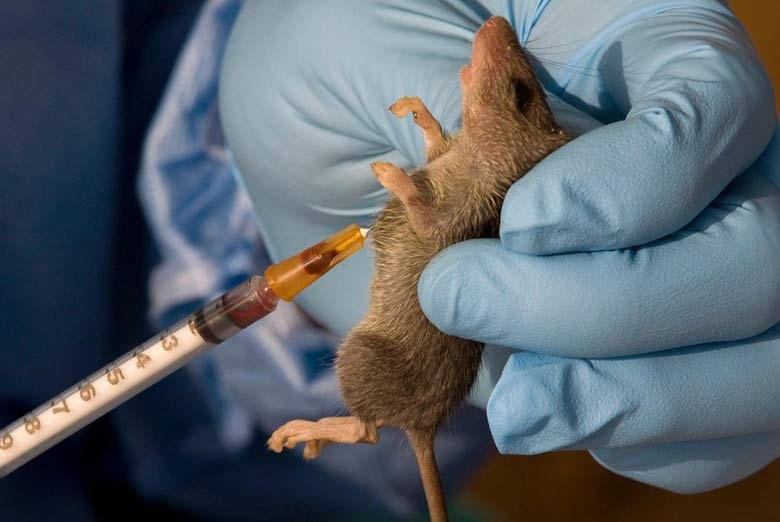
- The Nigeria Centre for Disease Control and Prevention (NCDC) has confirmed 31 fatalities as the viral hemorrhagic fever spreads rapidly across 20 states.
- Out of 754 suspected cases, 154 have been laboratory-confirmed, with the highest burden remaining in Ondo, Edo, and Bauchi states.
- Medical experts warn of a high Case Fatality Rate of 14.8%, citing late presentation at treatment centers as a primary cause of death.
Nigeria’s public health system is currently on high alert as the death toll from the latest Lassa fever outbreak continues to climb.
Eko Hot Blog reports that the NCDC has documented 754 suspected cases in the first few weeks of 2026, marking a significant surge in infections.
EDITOR’S PICK
- Kano Market Fire: Tinubu Orders Probe, Sympathizes with Affected Traders
- Trump Accuses Democratic Lawmakers of “Sedition” Over Military Video
- Danjuma Commends Trump for Globalizing Middle Belt Security Crisis
With 31 deaths already recorded, authorities are scrambling to contain the virus, which has now been detected in 61 local government areas across the country.
The geographic concentration of the virus remains a major concern, with Ondo, Edo, and Bauchi states accounting for 62% of all confirmed cases.
According to the NCDC situational report, the age group most affected by this wave is young adults between 21 and 30 years old.
Health officials have emphasized that while the disease is a seasonal threat during the dry season, the current mortality rate suggests a particularly aggressive spread this year, necessitating immediate community intervention.
In response to the rising numbers, the federal government has deployed rapid response teams to the hardest-hit states to assist with contact tracing and clinical management.
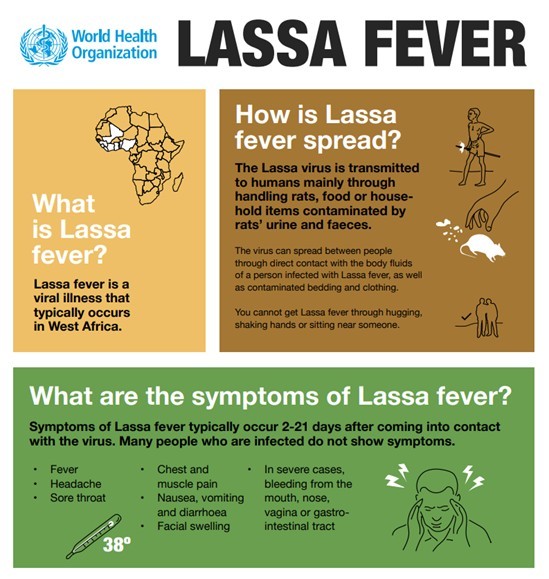
Lassa fever is primarily transmitted through contact with food or household items contaminated by infected rodents.
As the dry season drives these rodents closer to human settlements, health experts are urging Nigerians to maintain strict environmental hygiene and ensure all food supplies are stored in rodent-proof containers to prevent further casualties.
FURTHER READING