- Actress Teniola Aladese has publicly criticised the societal expectation that household chores are primarily a woman’s responsibility.
- Aladese urged women to live independently before marriage to better understand their own boundaries and preferences.
- The conversation comes as the actress emphasizes the importance of shared domestic duties in modern relationships.
The conversation around gender roles and modern relationships in Nigeria has been reignited following bold statements from one of Nollywood’s rising stars.
Eko Hot Blog reports that actress Teniola Aladese sparked a significant online conversation after challenging long-held beliefs regarding domestic responsibilities.
EDITORS’ PICK:
- BREAKING: President Bola Tinubu Signs Amended Electoral Act 2026 Into Law
- Lagos State Declares Permanent Ban on Unregulated ‘Korope’ Minibuses Along Lekki-Epe Expressway
- FMC Epe’s Historic Orthopaedic Surgeries Earn Commendation from Rep. Wale Raji
Speaking during an appearance on the “That’s What She Said” vodcast, the actress questioned why cooking, cleaning, and other home duties are automatically assigned to women rather than being shared equally between partners.
Aladese argued that these expectations are rooted in outdated gender stereotypes that no longer align with the realities of modern professional and personal life.
She further emphasized the importance of women living alone before marriage, stating that it allows them to identify “the nonsense they would and would not take” before committing to a shared household.
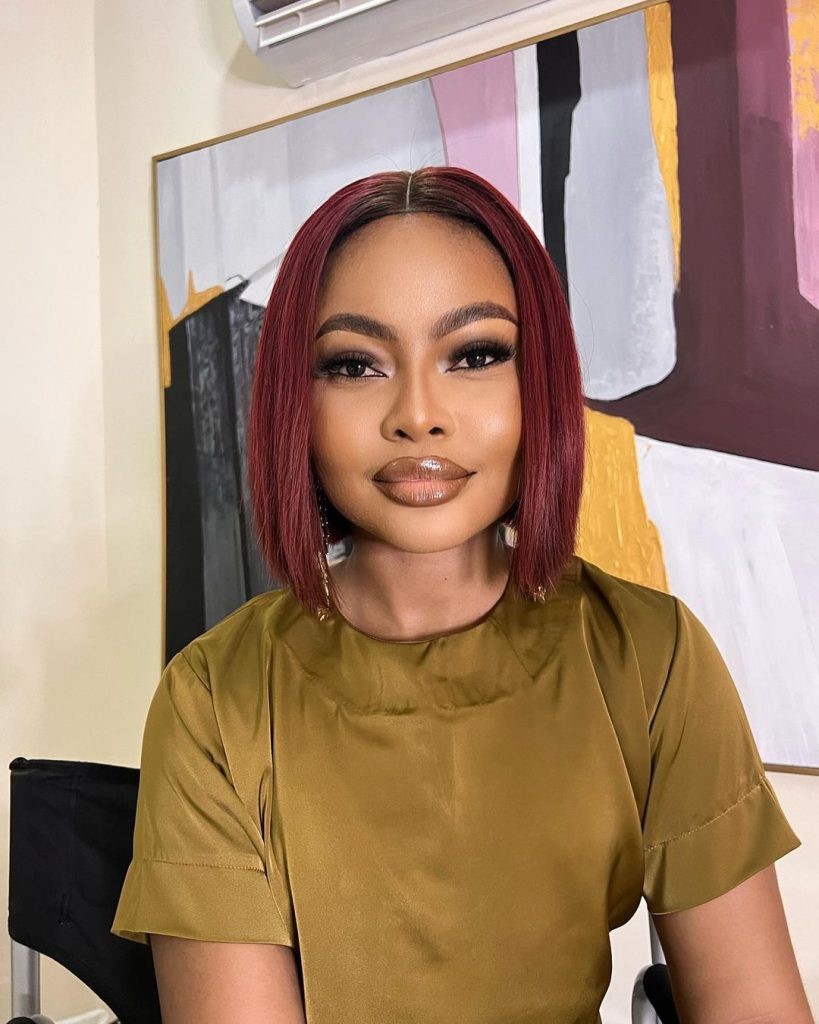
Her comments have since drawn a mixture of praise for her progressive stance and debate from those defending traditional cultural norms.
Beyond the debate on gender roles, Teniola is also making headlines for her professional strides, as she is set to star in the highly anticipated second season of “Anikulapo: The Ghoul Awakens.”
Her involvement in high-profile projects coincides with a booming period for Nollywood, where new releases are breaking box office records weekly.
The actress’s vocal stance on domestic equity reflects a broader shift among Nigeria’s creative youth, who are increasingly using their platforms to address social and economic disparities both within and outside the entertainment industry.
FURTHER READING